In the Garden: The symbolic red poppy
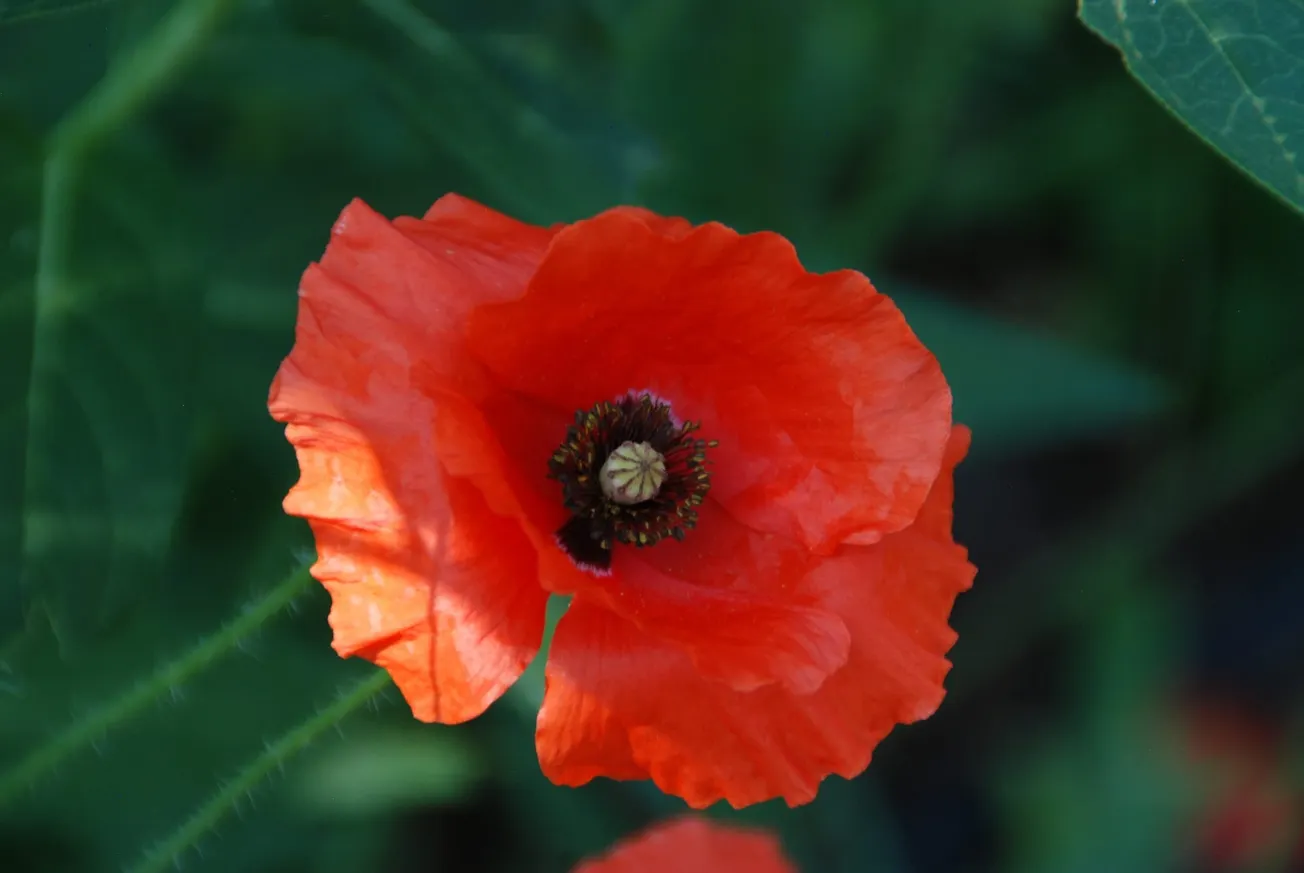
Memorial Day weekend may prompt visions of the red poppy known as Flanders or corn poppy (Papaver rhoeas). This beautiful flower inspired the poem In Flanders Field written by the Canadian doctor Lt. Colonel John McCrae who ran a field hospital during World War I.
The red poppy continues to symbolize sacrifices made by veterans. On National Poppy Day, celebrated the Friday before Memorial Day weekend, members of the American Legion Family distribute crepe paper red poppies, requesting donations used to support veterans.
The flower has a long history linked to bloodshed and death as well as life and fertility. While you may associate it with World War I, it was also the subject of a medieval poem, Le Chanson de Roland, where the blood red flowers of this poppy were associated with a battle during the reign of Charlemagne.
Its more positive past includes the Greeks’ dedication of the flower to Aphrodite, the goddess of vegetation, and its association with Ceres, the Roman corn goddess. Pictures show her holding sheaths of corn and seed pods of this poppy. In Great Britain, it also symbolized fertility and remembrance, perhaps inspired by the longevity of the seeds that can sprout and grow after being dormant in the soil for up to 80 years.
Corn poppy is native to Europe and Asia and arrived with imported agriculture seeds. Before extensive use of herbicides, it could be seen growing in farm fields which inspired the common name, corn poppy.
Its beautiful red flowers were once used as dye, for coloring red ink and medicinal purposes. The individual flowers only last a day but the plant blooms for months, leaving an abundance of seeds behind.
Make sure they are not invasive in your area before adding them to your garden. In areas where they don’t pose a threat you can enjoy them in the garden, use as cut flowers, and watch for visiting pollinators. Plus, the deer tend to leave these plants alone.
Plant the seeds directly in the garden in fall or early spring. Allow the plants to set seed if you want them to return each year. When the seeds drop on bare soil and are left undisturbed, seedlings will appear in next year’s garden. Just thin out unwanted seedlings and add them to the compost pile.
Grow Flanders poppies in full sun to light shade and those in hotter climates should plant them in a spot with afternoon shade. Although tolerant of a wide range of soils, they prefer those that are moist and well-drained. They do not tolerate wet, soggy conditions. Mature plants will grow 12 to 30 inches in height and are often used in naturalized, informal, or cutting gardens.
Flanders poppy’s close relative, oriental poppy, is a popular perennial garden plant and cut flower. Grow it in full sun or partial shade in well-drained soil. Enjoy the late spring to early summer blooms. And don’t worry when the foliage disappears after flowering. This is normal and you can partner it with a later blooming perennial to cover the void that’s left in your garden.
Take a moment to remember our veterans as you enjoy a weekend of gardening and visiting with family and friends.
Melinda Myers has written more than 20 gardening books, including the recently released Midwest Gardener’s Handbook, 2nd Edition and Small Space Gardening. She hosts The Great Courses “How to Grow Anything” instant video and DVD series and the nationally-syndicated Melinda’s Garden Moment radio program. Myers is a columnist and contributing editor for Birds & Blooms magazine, and her website is MelindaMyers.com, which features gardening videos, free webinars, monthly gardening tips, and more.