In the Garden: Save money by growing your own fresh vegetables
With escalating food prices, now is a great time to start growing some of your own vegetables. Not only can you save money, but you’ll enjoy great flavor and maximum nutritional value.
Take time to do a bit of planning. Your first trip to the garden center can result in buying more plants than the space and time you have available to grow and tend. Consider growing what you and your family like to eat fresh. Some vegetables, like greens, broccoli and peas, taste best when harvested from the garden and served the same day.
Include vegetables that are used in many of your favorite recipes. Even a few garden-fresh vegetables can boost the flavor of any dish.
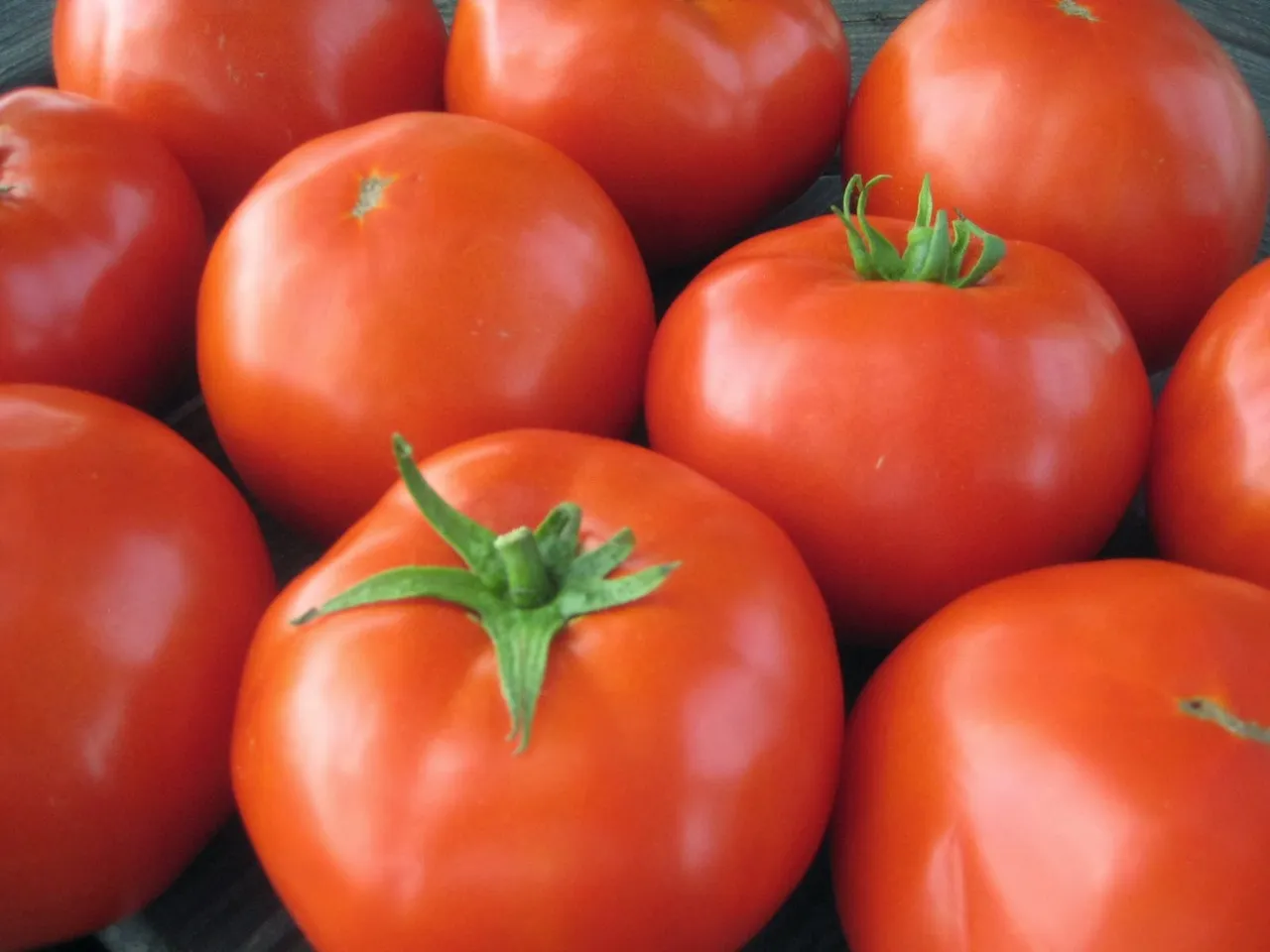
Focus on vegetables that help reduce your food budget. Grow those that are more expensive to purchase or provide a large harvest for the available space. Tomatoes, greens, and sweet peppers are a few favorites to consider. Sweet corn is fun and delicious to grow but requires more space than a single tomato plant which can produce an average of eight pounds or more of tomatoes per plant.
Once you have your list of vegetables you want to grow, start laying out the garden. Vegetables that produce fruit we eat, like tomatoes, peppers and squash, produce best when grown in full sun. Root crops, like radishes and carrots, prefer full sun but can tolerate some shade, while greens are the most shade tolerant.
Check spacing requirements for each vegetable as you plan your garden. Seed packets, plant tags, gardening catalogs and websites, including your local University Extension Service, can help. More compact varieties need less space than their larger counterparts. Consider growing these if space is limited or when gardening in containers and elevated planters.
If you are feeling stuck, check out one of the many pre-planned gardens you can find online. You may not find exactly what you are looking for, but you may find it easier to adapt an existing plan than starting from scratch.
Increase your harvest without expanding your garden with space-saving growing techniques. Grow vegetables in wide rows, providing the plants with just enough space to reach full size. Make sure all parts are accessible from the surrounding pathways.
Plant short-season vegetables, like lettuce, radishes and beets, in between those that need more space like tomatoes and peppers. You’ll be harvesting the quick-maturing vegetables by the time the bigger plants need the space.
Train vining crops, like cucumber, squash and melons, onto a support. You’ll save valuable garden space, reduce the risk of disease and make harvesting much easier. Create a sling from cloth or macramé and attach it to the support to prevent the weight of large squash and melons from breaking the vines.
Save even more time and money by talking with your gardening friends and family. Gardeners are some of the most generous people who are willing to share their knowledge, tools, seeds and transplants.
Learn more about growing your own fresh produce by attending my free webinar, Getting Started Growing Vegetable and Flower Gardens, on March 26, 2026 at 6:30 p.m. CT. It’s free but you must register. Visit my website MelindaMyers.com for details and if you can’t attend live, the recording and handout will be available at your convenience.
Melinda Myers has written more than 20 gardening books, including the recently released Midwest Gardener’s Handbook, 2nd Edition and Small Space Gardening. She hosts The Great Courses “How to Grow Anything” instant video and DVD series and the nationally-syndicated Melinda’s Garden Moment radio program. Myers is a columnist and contributing editor for Birds & Blooms magazine, and her website is MelindaMyers.com, which features gardening videos, free webinars, monthly gardening tips, and more.