In the Garden: Raise your garden to new heights
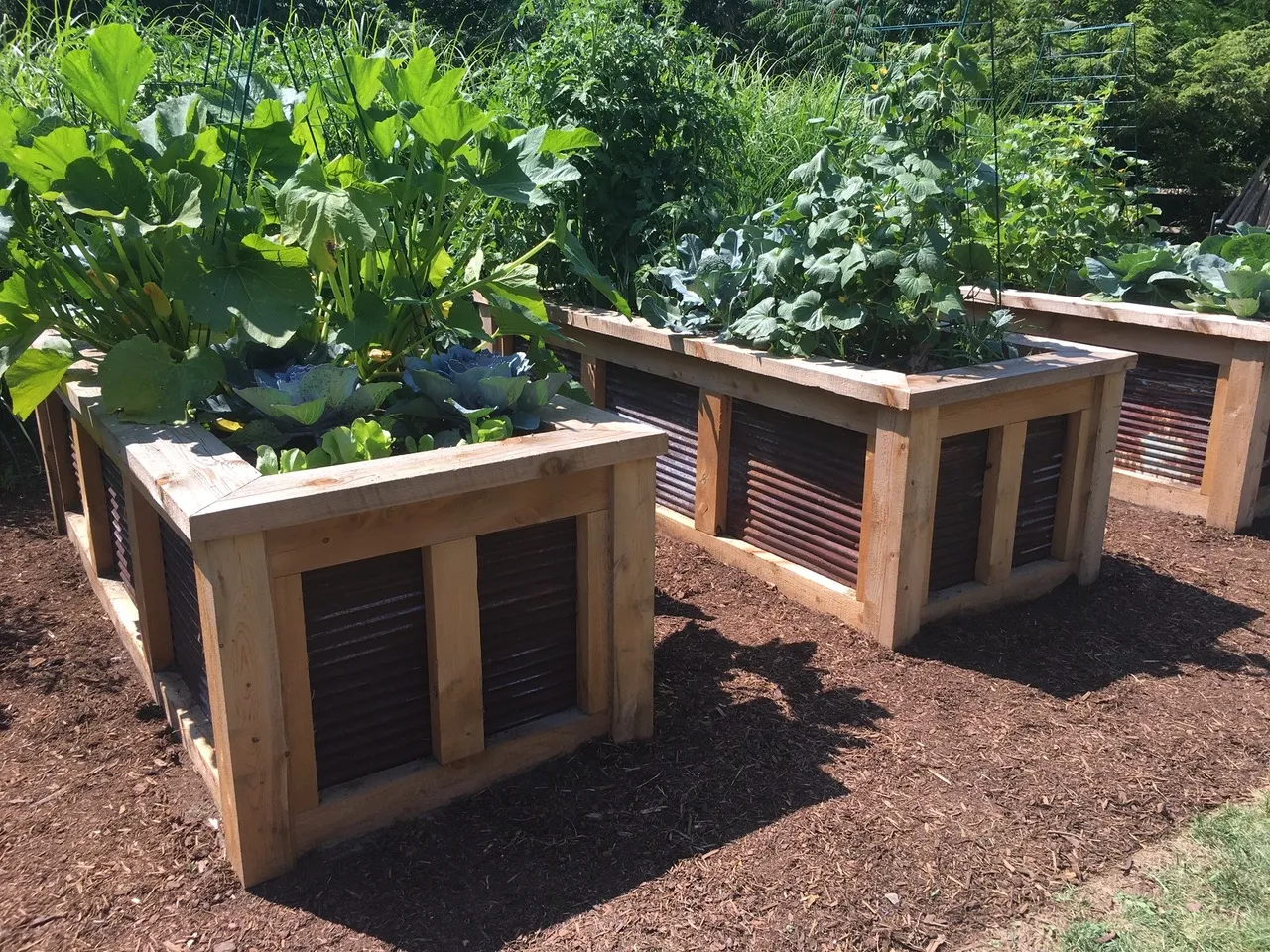
Elevated and raised bed gardens can expand your planting options and make planting and maintenance easier and more convenient. You’ll be able to plant, weed and harvest with minimal bending or even from the luxury of a chair or bench.
Elevated gardens are basically containers on legs. You can find plans to make your own or purchase one from your local garden center or garden supply retailer. Consider one on wheels or add your own for ease of moving. You’ll be able to move your garden into the sun or shade as needed each day or out of the way when you entertain.
Set the garden in place first. Once filled with soil, it will be very heavy and difficult to move unless you have added wheels. Those who garden on a balcony should confirm the space will hold the weight of the elevated garden bed once it is filled with moist soil and mature plants.
Including raised beds in your gardens and on or near your patio is another way to increase planting space and easier access. Purchase a prefab raised bed or make your own from a long-lasting material such as interlocking block, fieldstone, plastic lumber or naturally long-lasting wood. Consider the available space, your gardening goals and one that provides a comfortable height for gardening. Select one with corners or edges suited for sitting or narrow sides to allow easy access from a garden bench.
Line the bottom of your raised bed with hardware cloth to reduce the risk of animals burrowing into your garden. Lay the hardware cloth over the ground and bend it up along the inside of the raised bed walls. Add a liner of landscape fabric to keep the soil in place when placing your raised bed on a patio.
A three- or four-foot width makes it easy to reach all parts of the garden for planting, weeding and harvesting. Raising your planting bed at least 8 to 12 inches improves drainage and provides an adequate space for most plants to root and grow. If you want to minimize bending, go higher or add benches to increase your gardening comfort and ease.
Once your raised bed is complete or elevated garden is in place, fill it with quality planting mix. You can calculate the volume of soil that is needed yourself or use one of the many soil calculators available online.
Check the soil moisture regularly as the limited soil mass and increased exposure to wind, heat and sunlight make raised beds dry out more quickly than in-ground gardens. Reduce the need for frequent watering by incorporating a certified organic and sustainable soil amendment, like Wild Valley Farms wool pellets. Research found adding these pellets made from 100% wool waste helps reduce watering by 25% and increases air space in the soil for better plant growth. You’ll only need a one-pound bag of these wool pellets to cover about 30 square feet if you add the pellets as you plant or it is enough to amend 12 gallons of soil when mixing thoroughly in your mix, following label directions.
Further boost your gardening success by selecting the best plants suited to the growing conditions and your gardening goals. In no time, you’ll be enjoying the flavor and beauty these gardens provide.
Melinda Myers has written more than 20 gardening books, including the recently released Midwest Gardener’s Handbook, 2nd Edition and Small Space Gardening. She hosts The Great Courses “How to Grow Anything” instant video and DVD series and the nationally-syndicated Melinda’s Garden Moment radio program. Myers is a columnist and contributing editor for Birds & Blooms magazine, and her website is MelindaMyers.com, which features gardening videos, free webinars, monthly gardening tips, and more. She was commissioned by Wild Valley Farms for her expertise to write this article.