In the Garden: Evergreen selection, planting and care
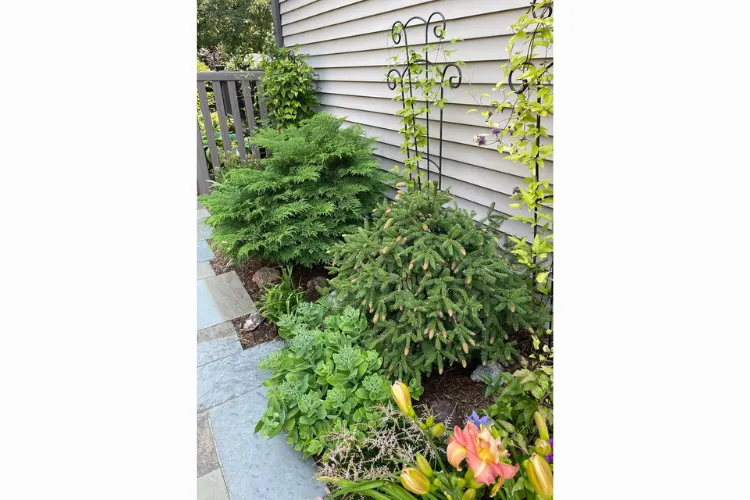
Screen unwanted views, buffer traffic and other noise, create privacy and add year-round beauty to the landscape with evergreens. Combine them with deciduous trees and shrubs, perennials and annuals for multiple seasons of beauty. Plus, enjoy the seasonal changes as well as visiting pollinators and songbirds.
Use taller evergreens as a backdrop for flowering plants. Their green foliage provides a beautiful backdrop for flowers and fruit-laden plants, ornamental grasses, and fall color. Create a focal point or vertical interest in a garden bed or landscape with evergreens that feature interesting form or texture. Group several together to provide songbirds with shelter and a safe place to raise their young.
Don’t let a lack of space deter the planting of evergreens. Dwarf varieties are perfect for smaller landscapes and planting beds. Combine these with other small-scale shrubs, perennials and groundcovers for additional seasonal interest.
As always, match evergreens to the growing conditions and climate. Make sure the plants selected are hardy and will thrive in the sunlight and moisture provided. Junipers are heat and drought tolerant and animals tend to leave them be. Hemlock is one of the few evergreens that tolerates the shade and is available in a variety of sizes and shapes. Give these and other evergreens planted in an exposed location a bit of shelter from winter winds and sun.
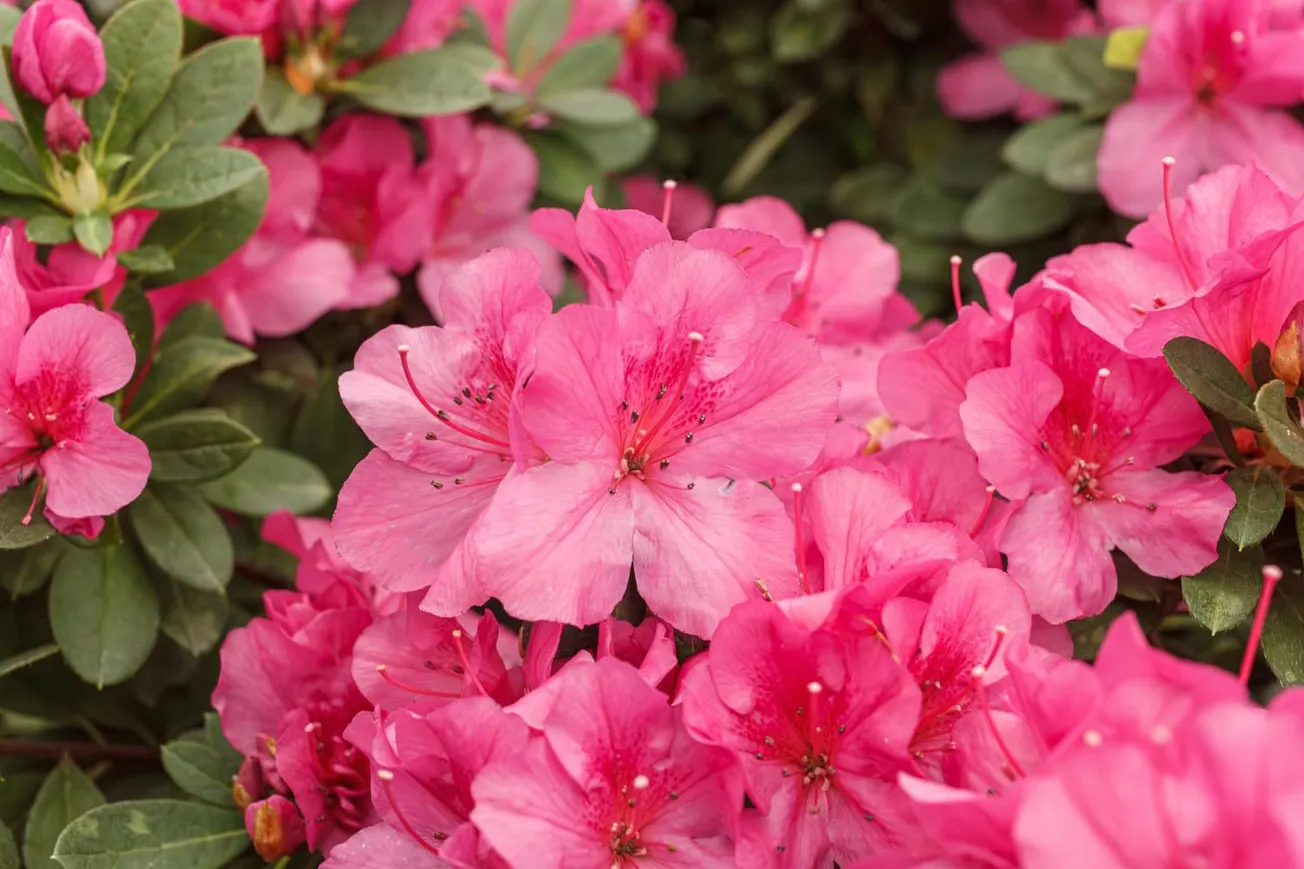
Arborvitaes, yews, false cedar (Chamaecyparis) and rhododendrons are some of the favorite evergreens of gardeners and deer. Protect new plantings by surrounding them with a cylinder of hardware cloth sunk into the ground and at least four feet high. Applying wildlife protection, including repellents, before critters start feeding increases the chance of success. Consider applying an organic rain- and snow-resistant repellent, like Plantskydd, at planting. This odor-based repellent helps prevent damage and its rain and snow resistance means it needs to be reapplied less often. Just follow the label directions for the most effective control.
Make sure new plantings receive sufficient moisture during the first few years as they become established. Apply enough water to moisten the top 12 inches of soil when the top four to six inches feel dry. Individual trees need 10 gallons of water for every inch diameter of trunk measured at 4.5’ high. Apply the water to the area under the dripline and several feet beyond for evergreens.
Spread a one- to three-inch layer of woodchips, shredded bark, leaves or evergreen needles over the soil surface. The finer the mulch material, the thinner the layer needed. Pull the mulch away from tree trunks and stems of shrubs, perennials and annuals. Organic mulches insulate plant roots from temperature extremes, conserve moisture, suppress weeds during the growing season and improve the soil as it breaks down.
Winter preparation starts at planting and continues into fall and even winter in milder parts of the country. Evergreens continue to lose moisture throughout the winter even when the soil is frozen or dry. Continue to water evergreens, moisture-loving plants and new plantings as needed when the temperatures are in the 40s, the soil is dry and not yet frozen or covered with snow.
Investing time in proper plant selection and year-round care will help healthy, attractive evergreens thrive for many years.
Melinda Myers has written more than 20 gardening books, including the recently released Midwest Gardener’s Handbook, 2nd Edition and Small Space Gardening. She hosts The Great Courses “How to Grow Anything” instant video and DVD series and the nationally-syndicated Melinda’s Garden Moment radio program. Myers is a columnist and contributing editor for Birds & Blooms magazine, and her website is MelindaMyers.com, which features gardening videos, free webinars, monthly gardening tips, and more. She was commissioned by Tree World Plant Care for her expertise in writing this article.