In the Garden: Easy-care flowering plants for indoor gardens
Table of Contents
Brighten your home’s décor and elevate your mood by adding a few flowering plants to your indoor garden. You may be surprised to find a wide array of flowering plants that will bloom when they are grown indoors. Match the plant to the growing conditions and your maintenance style for ease of care and greatest success.
Add a long-blooming moth orchid (Phalaenopsis) to your collection. It thrives in most home environments, making it the easiest of all the orchids to grow. Position your orchid in a brightly lit location that’s free of hot or cold drafts. Water thoroughly with tepid water once a week. Leave the flower stalk intact and wait for a second smaller flush of flowers. Or prune it back to an inch above the foliage, provide proper care, and watch for a fresh set of flowers in about a year. Or gift the non-flowering plant to a gardening friend. There’s always one who’s willing to wait for the next set of flowers. In the meantime, you can invest in a new variety for your home.
Treat yourself to an easy-care anthurium. You can now find white, red, pink, lavender and even yellow anthuriums for sale almost year-round. The colorful heart-shaped “flowers” are modified leaves that hold their color for many weeks. Grow this low maintenance, very forgiving plant in bright, indirect light and water thoroughly whenever the soil begins to dry.
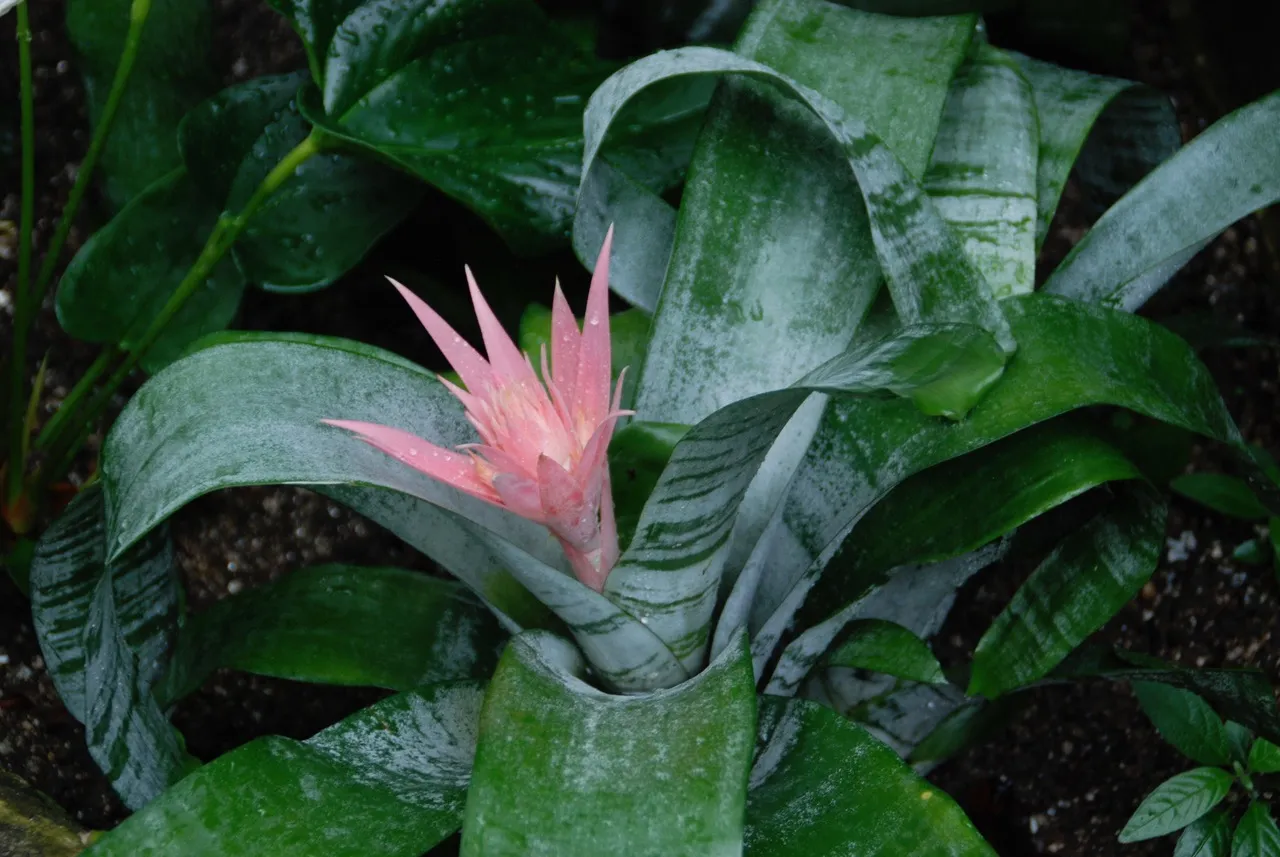
Include bromeliads, another long bloomer with unique tropical flowers. Those with pliable leaves are more tolerant of lower light, while the stiff-leafed bromeliads need bright light to thrive. Water the soil often enough to prevent the roots from drying. After weeks and even months of flowering, the plant eventually dies but forms offsets, known as pups, you can grow to maturity.
The tubular, red-burgundy flowers of lipstick plant (Aeschynanthus radicans) reveal the inspiration for its common name. Grow this long-blooming, trailing plant in a warm location with bright, indirect light. Water thoroughly when the top inch of soil begins to dry. Move it to a slightly cooler location and allow the soil to dry a bit more between waterings during the winter.
Have fun by adding a hanging basket of goldfish (Nematanthus) to your collection. This easy-care plant produces long-lasting, orange-red flowers that resemble goldfish. Place it in bright, indirect light and water when the soil begins to dry.
Keep these and your other houseplants healthy and minimize pest problems by providing proper growing conditions and care. Fertilize actively growing plants with a flowering houseplant fertilizer according to label directions. Boost the humidity by grouping plants together. As one plant loses moisture, transpires, its neighbors’ benefit. Place pebbles in the saucer or tray to elevate the pot above any water that collects there. As the water evaporates, it increases the humidity around the plant and eliminates the need for you to empty excess water out of the saucer.
Check all your plants for insects each time you water. It is easier to manage small populations than larger infestations. Use yellow sticky traps to monitor and trap white flies, fungus gnat adults, thrips and other houseplant pests. Manage fungus gnat larvae residing in the soil with organic Summit Mosquito Bits®. It contains a naturally occurring soil bacteria, Bacillus thuringiensis israelensis (Bti), that’s safe for people, plants and pets. Just follow the label directions for the most effective control.
Look for opportunities to include these and other flowering plants in your home. You’ll enjoy the added color and beauty these plants provide.
Melinda Myers has written more than 20 gardening books, including the recently released Midwest Gardener’s Handbook, 2nd Edition and Small Space Gardening. She hosts The Great Courses “How to Grow Anything” instant video and DVD series and the nationally-syndicated Melinda’s Garden Moment radio program. Myers is a columnist and contributing editor for Birds & Blooms magazine, and her website is MelindaMyers.com, which features gardening videos, free webinars, monthly gardening tips, and more. She was commissioned by Summit for her expertise to write this article.