In the Garden: Bulbs with season-long color and pollinator appeal
Boost the beauty and pollinator appeal of your gardens and containers with flowering bulbs. A combination of spring- and fall-planted bulbs can provide season-long color and nectar for bees, butterflies, hummingbirds and other pollinators.
Include a few dahlias known for their excellent pollinator appeal. The award-winning Collarette Pooh grows 24 to 30” tall and features cherry red and yellow daisy-like flowers. Light up your gardens with Kelsey Sunshine collarette dahlias. The pale-yellow outer petals make a nice backdrop for the frilly white inner petals. Add even more color with the HS Date single dahlia with burgundy leaves and melon-colored flowers. Grow these and other dahlias in a sunny location with moist well-drained soil.
Add vertical interest and color to flowerbeds and containers with gladiolas. Start planting batches of the corms in spring and continue every week through early summer. You and the hummingbirds will enjoy the longer bloom time. Select from a wide range of colors, including white, pink, orange, yellow, red, bicolors and more. Once flowering begins you may need to provide some support. Just slide a bamboo stake next to the plants and secure the stems with twine to keep top-heavy plants upright.
Enjoy the bold foliage, showy flowers and visiting hummingbirds and other pollinators by including cannas in the full to part sun areas of your landscape. Select dwarf varieties for containers and grow cannas where you can easily view the visiting birds.
Consider growing a few begonias in containers and hanging baskets. Most tolerate some shade and many bloom from spring through frost.
Grow a few containers of some of the lesser-known bulbs. Hymenocallis, also known as Peruvian daffodil or spider lily, has large, lightly fragrant white flowers. The blooms attract butterflies, moths, and other pollinators while deer and rabbits tend to leave them be. Pineapple lily (Eucomis) has spikes of blooms topped with a small cluster of leaves. The flowers attract bees, butterflies and other pollinators.
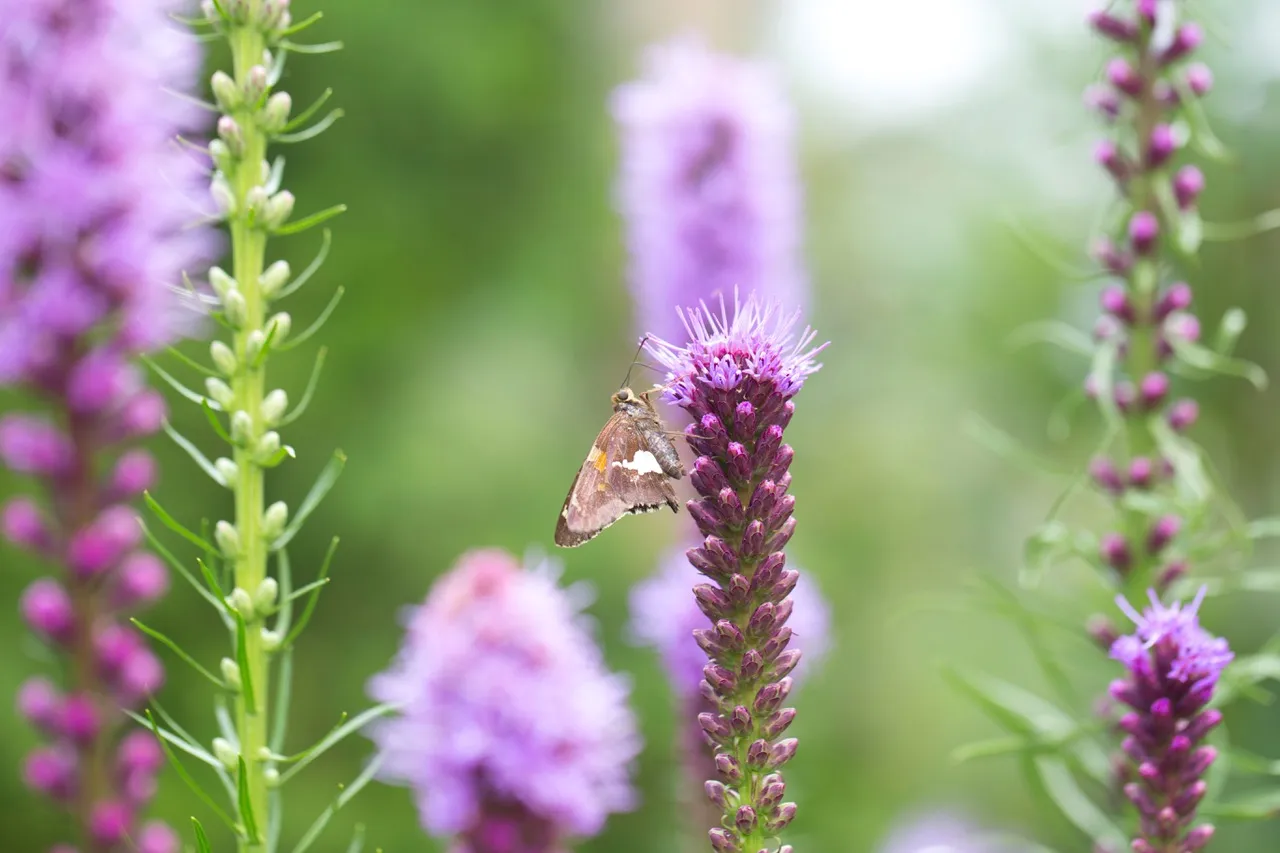
Provide some late-season nectar for a variety of butterflies by growing blazing star (Liatris spicata). This North American native plant produces spires of fuzzy purple flowers and combines nicely with rudbeckias, asters, dahlias and other late-season bloomers.
Plant pre-chilled lily bulbs in spring or fall with other spring-flowering bulbs that need a winter chill to bloom. Either way, you’ll enjoy their color throughout the summer by planting various early-, mid- and late-season lilies. See Longfield Gardens’ Bloom Times for Lilies article at longfield-gardens.com for help with your selection. Ensure success by planting them in full sun and well-drained soil and protecting them from rabbits and deer.
Support early visiting pollinators with fall-planted, spring-blooming bulbs. Look for opportunities to add these to your landscape. Make a list and note in your calendar so you are sure to get them planted in fall.
Plan for months of spring color starting with early-blooming crocus, snowdrops (Galanthus), glory of the snow (Chionodoxa) and grape hyacinths (Muscari). Include early-, mid- and late-spring blooming tulips, daffodils and hyacinths. Add a few uniquely flowered fritillarias, bearded iris in a rainbow of colors and a few showy alliums.
Use Longfield Gardens’ Bloom Time Chart for Spring and Summer Bulbs at longfield-gardens.com to help you plan for months of beauty and pollinator appeal.
Melinda Myers has written more than 20 gardening books, including the recently released Midwest Gardener’s Handbook, 2nd Edition and Small Space Gardening. She hosts The Great Courses “How to Grow Anything” instant video and DVD series and the nationally-syndicated Melinda’s Garden Moment radio program. Myers is a columnist and contributing editor for Birds & Blooms magazine, and her website is MelindaMyers.com, which features gardening videos, free webinars, monthly gardening tips, and more. She was commissioned by Longfield Gardens for her expertise to write this article.