In the Garden: Boost your raspberry harvest with proper pruning
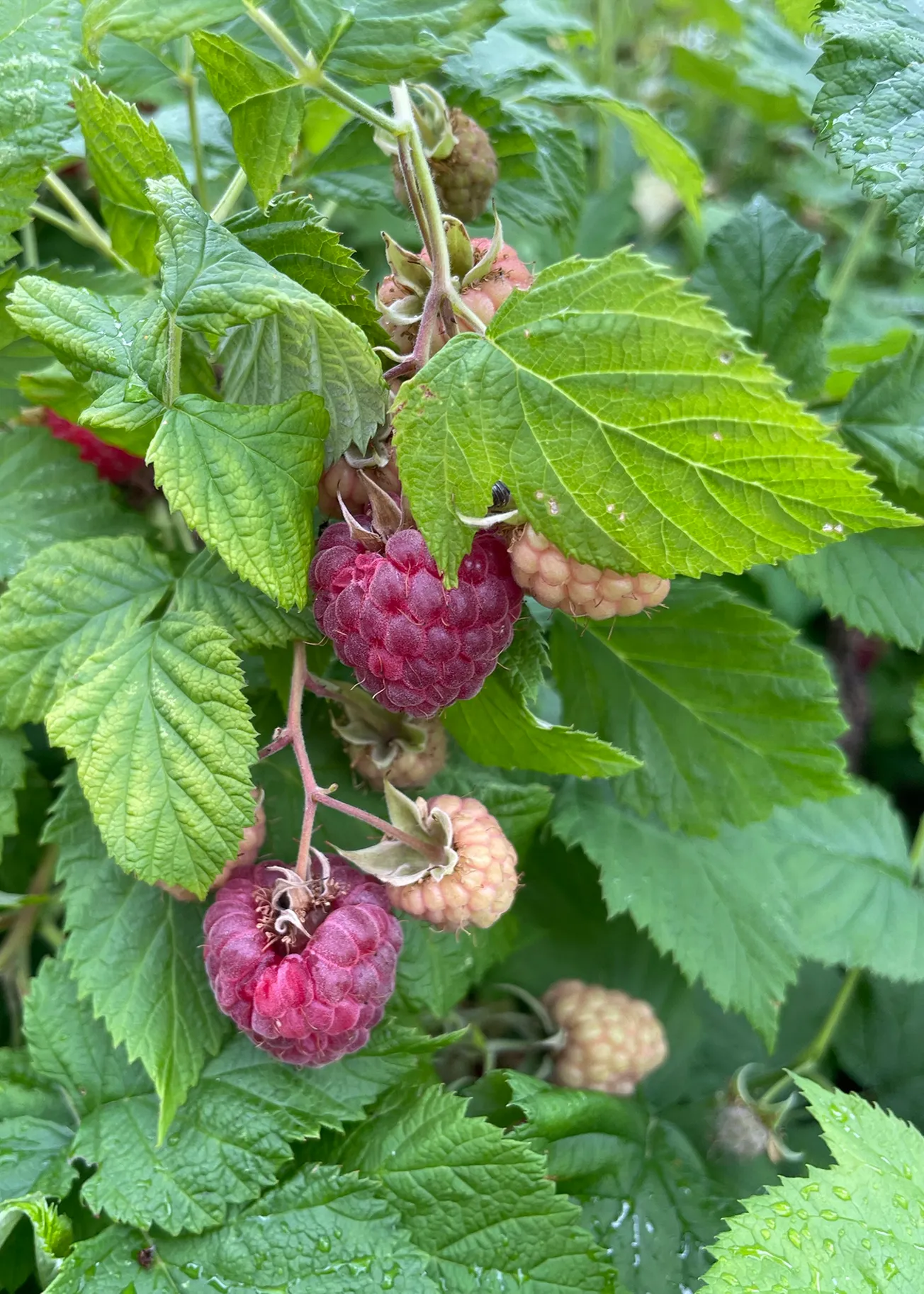
Break out the leather gloves, heavy long sleeve shirt or coat, pruners and head out to your raspberry patch. Proper routine pruning can help reduce the risk of disease, manage insect pests and boost productivity.
When and how to prune raspberries is based on the type of raspberries you are growing and how you prefer to manage them. Summer and everbearing raspberries form fruit on two-year-old canes.
Start pruning once the worst of winter weather has passed and before growth begins in spring. Remove any canes that bore fruit last summer back to the ground. These canes are done producing and when left in place, they increase the risk of insect and disease problems and make harvesting more difficult. Leave the one-year-old canes intact, including those that bore fruit on everbearing plants last fall. These one-year-old stems will produce berries this coming summer.
Now thin the plantings to three to four canes per foot or six to eight stems per hill. This will allow for better light penetration and air circulation, helping reduce disease problems and increase productivity.
Slightly trim back side branches and remove no more than one fourth the total height of the remaining stems. Avoid more severe pruning that can greatly reduce the harvest.
Fall raspberries can be cut to the ground. Pruning back all the stems eliminates the summer crop, but results in an earlier and larger fall harvest.
Provide plants with a bit of support, if needed. Training is best done and easiest at planting, but if you skipped this step you may want to consider implementing a narrow-hedge row system. Training raspberry plants keeps the berries off the ground, increases light penetration, boosts productivity, and makes harvesting much easier.
You can either install sturdy posts two feet into the ground at the end of each row or every 20 feet. Secure heavy gauge wire to the posts at 40” above the ground to help keep the plants upright. You can use a second wire surrounding the planting and secured a bit lower on the posts.
Another option is to use single or double T trellises. Run wires between the arms to help hold the plants upright. Consult your local extension service’s raspberry publications for more details on these and other training methods.
Enlist summer pruning to help keep your raspberries healthy and productive. Once you have finished the summer harvest, remove any canes that bore fruit along with insect-infested and diseased stems. Destroy these to further reduce future pest problems.
Make raspberry pruning a regular part of garden care. Your efforts will be rewarded with fewer pest problems and bigger harvests.
Melinda Myers has written more than 20 gardening books, including the recently released Midwest Gardener’s Handbook, 2nd Edition and Small Space Gardening. She hosts The Great Courses “How to Grow Anything” instant video and DVD series and the nationally-syndicated Melinda’s Garden Moment radio program. Myers is a columnist and contributing editor for Birds & Blooms magazine, and her website is MelindaMyers.com, which features gardening videos, free webinars, monthly gardening tips, and more.