If your insurer left the ACA market, a special enrollment period for new insurance ends March 1
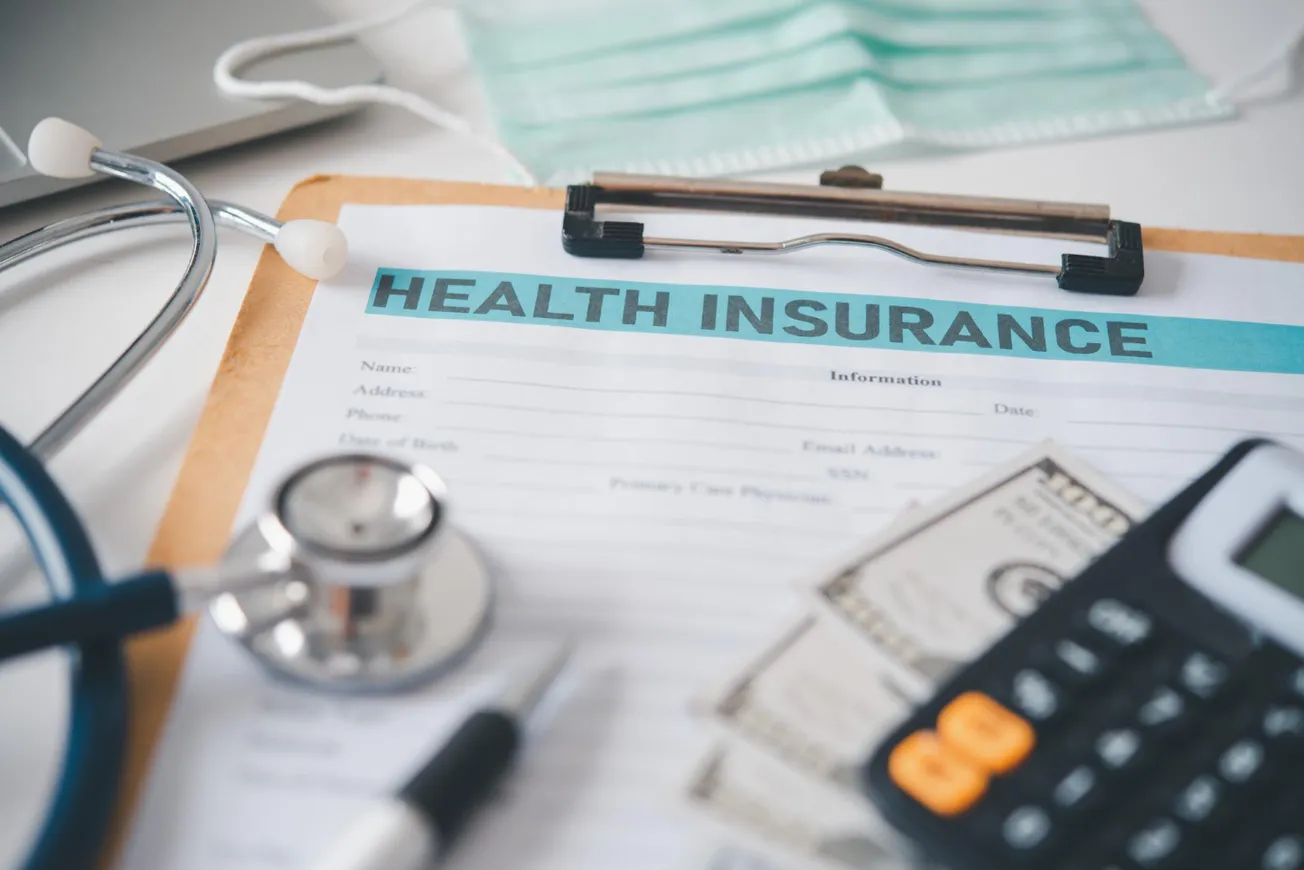
Several insurers left the Affordable Care Act marketplace at the end of last year, which triggered a special enrollment period for some who lost their health coverage in the shift. While open enrollment in Virginia’s marketplace ended on Jan. 30, certain groups have until March 1 to enroll in a new insurance plan.
Louise Norris, an analyst with HealthInsurance.org, emphasized that people who find new insurance before March 1 will see it take effect on that date and if they sign up on March 1, their insurance can kick in by April 1.
This time period is critical for people reviewing what their premiums could be as they head into a new year of coverage.
Aetna decided to pull out of the ACA in several states late last year, for instance, forcing those clients to seek other insurance options in the marketplace just as premiums have risen sharply. As of last year, about 261,000 Virginians had Aetna plans through the state.
“Our customers are Virginians who don’t have another option for health insurance coverage,” Virginia Insurance Marketplace director Keven Patchett told reporters this week.
The ACA marketplace is meant for people who earn too much to qualify for Medicaid but who don’t earn enough to afford private insurance on their own. But even ACA options are proving more costly for some after Congress let special tax credits expire last year. Known as the Enhanced Premium Tax Credits, the subsidies helped people living between 100% and 400% of the federal poverty level.
Nationally, Norris said that she’s seeing people downgrade their coverage or drop it altogether to save money and “roll the dice” on getting ill or injured over the next year while uninsured.
Regarding ACA in Virginia, 25,000 people have already canceled their health insurance or had it terminated since the typical open enrollment period ended last month. This number is three times what it was compared to the same time as last year, Patchett said.
For state lawmakers, it’s added another complication in deliberating a state budget, compounded by the federal government spurring states to pick up certain health care or social services tabs it had previously covered.
“The uncertainty is adding another layer of complexity while we’re trying to budget,” said Sen. Barbara Favola, D-Arlington, who chairs the Senate’s Education and Health committee. “It is a very terrible situation to be in.”
While the state budget will weather weeks of forthcoming negotiation, both the House of Delegates and state Senate chambers recently put forth proposals to help fill ACA holes.
The House plan earmarks $79.1 million to set up a state-based premium assistance program while the Senate is proposing $200 million.
As the budget bills are workshopped in each chamber, they could be amended. Gov. Abigail Spanberger will also be able to weigh in with amendments before signing it or vetoing it. But with a Democratic majority in both chambers and the executive mansion, a veto will be unlikely.
The state is also contending with other health or social services costs following Congress’ passage of a reconciliation bill last summer that alters Supplemental Nutrition Assistance Program as well as Medicaid and hospital funding mechanisms.
Hospitals, along with safety nets like Federally Qualified Health Centers and free clinics, have relayed that they are bracing for surges of uninsured patients that can further strain their abilities to provide care.
Virginia is not alone, Norris noted, in adjusting its state subsidy strategy to “try to mitigate some of the losses” from the expired ACA credits.
Ten states already offer their own versions and Virginia is among seven states exploring it currently. Norris said she will be the progress “watching closely,” and monitoring whether the states will be able to continue the funding for future years should Congress not revive the subsidies.
Virginia Mercury is part of States Newsroom, a nonprofit news network supported by grants and a coalition of donors as a 501c(3) public charity. Virginia Mercury maintains editorial independence. Contact Editor Samantha Willis for questions: info@virginiamercury.com.