Housing Families First’s newest program addresses homelessness among a youthful demographic, imparting adult lessons for lifelong stability
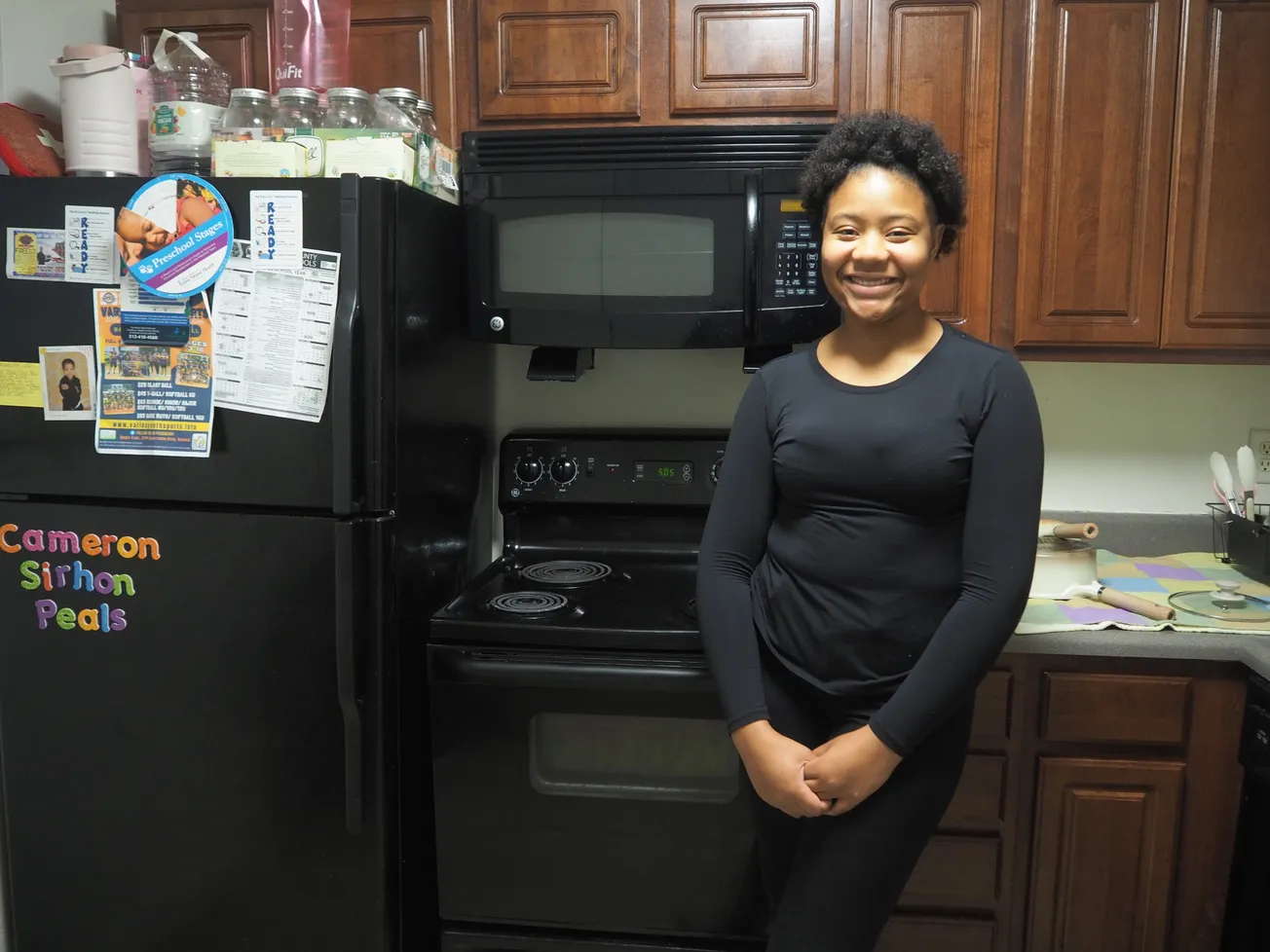
When 24-year-old Jayla Ramsey moved to Richmond last year to be near her mother, both came to the agreement that they could not live together.
So last winter, the single mother of two boys, age four and six, had to move out. Ramsey took her sons back to their father in Michigan. When she returned to Richmond she slept in her car, showering at a gym.
She was also working and studying at Brightpoint Community College while looking online for housing resources and support for single mothers in need.
She called the Homeless Connection Line every week seeking help with finding a safer, more permanent living situation for her and her sons. Being homeless meant being vigilant in precarious situations that could mean her car, which served as her transportation and housing, could be taken from her.
“I was scared that I was never going to be able to save enough to get my own apartment because apartments are expensive,” Ramsey said. “I was making $15 an hour at the time. I was like, I can't afford a great apartment and the apartments that I could afford, they were terrible. I would drive by and see that it was not a safe environment for me and my children. I just had to tough it out.”
When Ramsey wasn't working, she delivered Instacart or went to the library to study. And then she would park at her job, a public park, a big box store or fast-food parking lot where she would not be bothered and could sleep with her windows covered. She felt on edge when she heard people come too close to her vehicle.
“I told myself that this is just temporary and everybody goes through stuff,” Ramsey said. “This is just me going through something. It's not personal. This doesn't mean I'm any less of a person. It just means that I'm going through something, and eventually I'll figure it out, whether it's finding someone who can help me with housing, or I found a house on my own.”
Then Ramsey heard back from Kelly Neely, program manager at the Henrico County-based nonprofit Housing Families First, to set up an intake session. Neely oversees HFF’s Crisis Response and Youth Housing programs, which aim to provide a firmer foundation through HFF’s Joint Transitional Housing-Rapid Re-Housing program targeting 18 to 24-year-olds.
Federal funding to support young adults in need
Ramsey’s not unique in facing housing insecurity as a young adult.
Homeward, the planning agency for Greater Richmond Continuum of Care which is made up of numerous other housing and nonprofit organizations - including HFF – to address homelessness. Homeward’s data on 18 to 24-year-olds homeless people here showed:
• the total number of youth and young adults age 18 to 24 served by GRCoC programs in FY2025 was 886;
• between November 2024 and April 2025, 61 young adults ages 18 to 24 used the inclement weather shelter;
• the Coordinated Street Outreach team engaged a total of 1,321 adults who were living unsheltered last year to link them to housing and supportive services, including 221 young adults age 18 to 24;
• Homeward’s January 2026 Point In Time homeless count in the Richmond region remained relatively steady, with a total of 618 people – slightly lower than January 2025, which counted 660 people experiencing homelessness;
• 2025’s Point In Time homeless count found that 14% of those counted pointed to Henrico as the place of their last stable housing, and almost 50% pointed to financial factors as the reason for their homelessness; 22% pointed to a breakdown in family relationship as their reason for being unhoused.
According to Homeward CEO Kelly King Horne, housing needs in the area are significant.
The Homeless Connection Line served 8,900 people last year, with more than 24,000 people total served through phone conversations or street outreach workers through the housing support services in the area.
“There's national data that for every $100 increase in rent, you would see a 9% increase in homelessness. We haven't seen that level of increase in our community. But the pressure on rents, is growing. We saw that the average rent prices jumped by 23% between 2020 and 2025,” King Horne said. “I think that that doesn't really shock anyone who's been looking for housing in our community, but it's a pretty big jump. There has been some increase in wages during that time, but not commensurate with the increase in rent or home ownership or other costs.”
Homeward also helps coordinate federal and state-local funding to best utilize homeless services and resources in the region. In 2023, the U.S Department of Housing and Urban Development awarded the GRCoC, as staffed by Homeward more, than $4 million to serve young people experiencing homelessness in our region spread among six other organizations.

Young Adult Housing Program
HFF’s Joint Transitional Housing-Rapid Re-Housing program deemed “Forging Foundations” is designed to serve homeless individuals and families aged 18 through 24.
Transitional housing is defined as a temporary, supportive residential program designed to bridge the gap between emergency shelter and permanent housing. RRH is defined as a solution designed to quickly move households experiencing homelessness into permanent housing, typically within 30 days, The project is meant to have 16 TH beds and 26 RRH units.
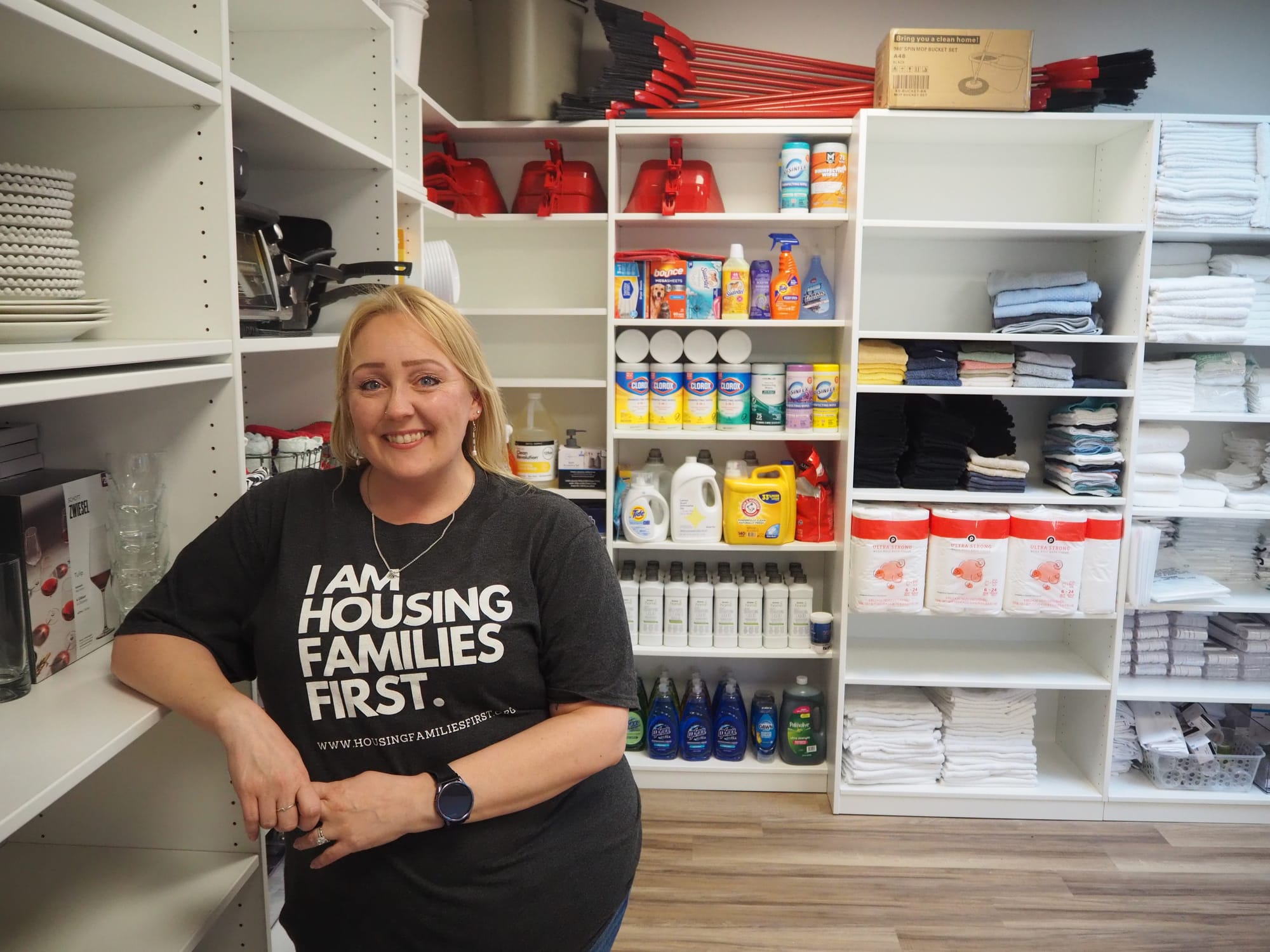
In addition to the federal grant HFF fundraises for supplies and funds needed for the program through its website. Volunteers play a key role in HFF's shelter.
All people in HFF programs work on a housing action plan. In the youth program, case workers continue to work with participants for six months to a year, helping with case management, connection to resources, daily living assistance and rent.
The Forging Foundations Young Adult Housing program at HFF is a departure from the 25-year-old nonprofit, which has helped more than 4,500 people through its Hilliard House Emergency Shelter on Nine Mile Road.
The building is owned by Henrico County. When HFF founders in the mid 1990s organized to address homelessness, they wanted to start a shelter. Henrico County supervisors and the county made the Hilliard House property available to HFF, which the nonprofit leases for 20 years at a time for a dollar a year.
“Since opening the Hilliard House 25 years ago, Housing Families First has been a trusted nonprofit that has given families, particularly women and young children, a safe place to call home,” said Varina District Supervisor Tyrone Nelson. “Henrico County and the Board of Supervisors have been proud partners because we recognize that safe, secure housing is essential to family stability and youth success. With rising costs and other factors that continue to undercut housing stability, it’s comforting to know that we can rely on Housing Families First to help us continue to meet the evolving needs of our community.”
HFF offers other housing support programs outside of the shelter lodging.
“A third of the 18 to 24-year-olds experiencing homelessness are pregnant and parenting,” said Beth Vann-Turnbull, executive director who sees the newest program as evidence of HFF’s evolving to meet community’s needs. “We saw an opportunity to tailor to a specific subgroup within families who need a little extra attention, more specific, tailored support services and opportunities.”
All people in HFF programs work on a housing action plan. In the youth program, case workers continue to work with participants for six months to a year, helping with case management, connection to resources, daily living assistance and rent.
“We're trying to help people make sure they get to the end of that lease by coaching, and we're paying alongside you to do that and sometimes assisting with court fee assistance or car repair assistance, anything that would help them become stable, keep a job and be sustainable,” Vann-Turnbull said. “It's a lot of problem solving.”
That program’s grant funding ends in September, and Van-Turnbull said renewal seems likely.
Intake to rapid re-housing
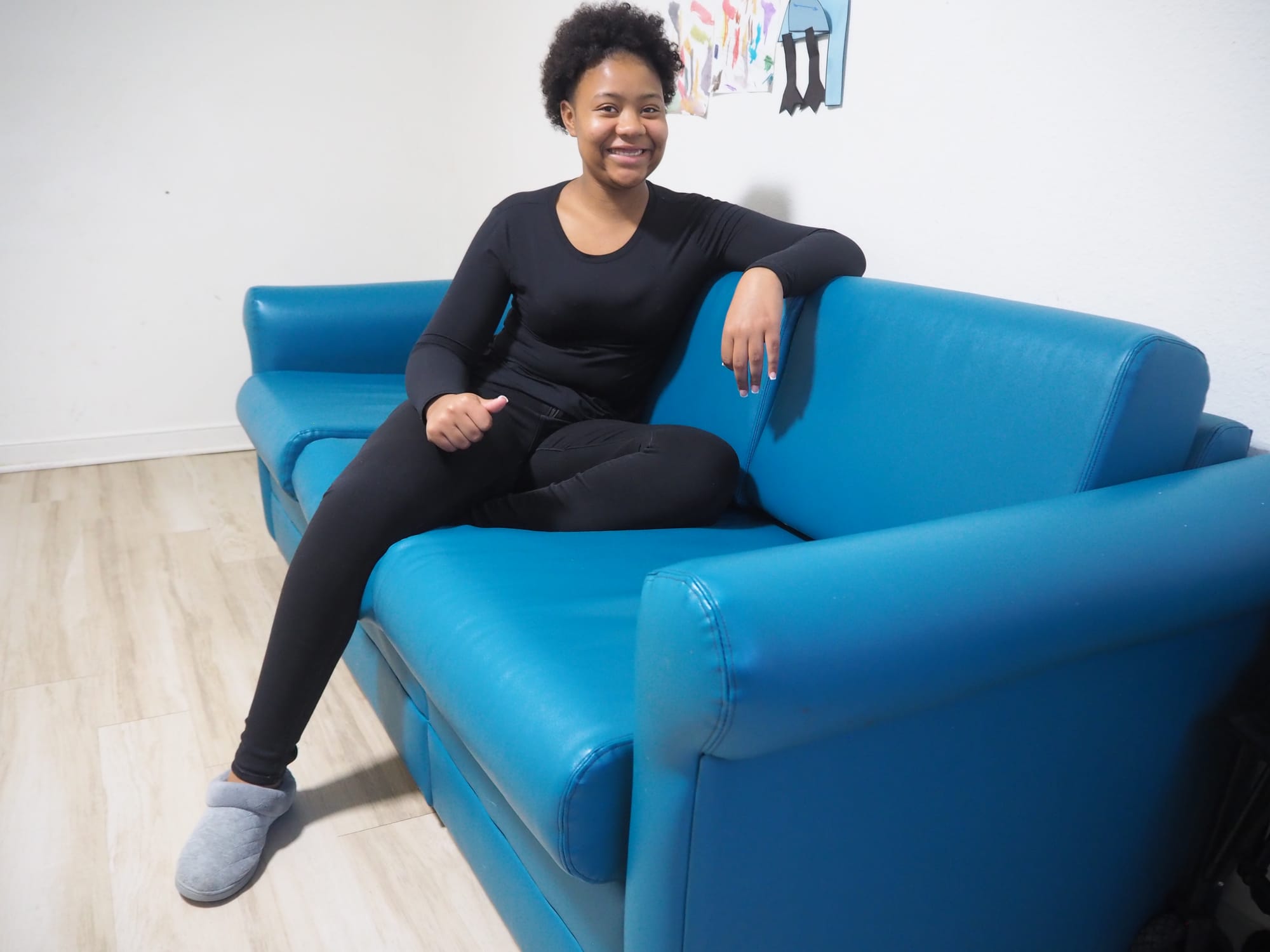
Last April, after spending the winter sleeping in her car, Ramsey was finally able to meet with a HFF staffer for an intake meeting.
“It was very professional and very welcoming,” Ramsey said. “I felt welcome to share, and I didn't feel judged when I told them about certain things that I've been through.”
Ramsey was brought to a furnished two-bedroom apartment at the Villas of Oakwood leased by HFF, where she could safely live with her two sons who she brought back from Michigan.
“I loved it,” Ramsey said. “I always reach out for the resources that I need and they always help me. “
The support requires participants work on mastering adulting skills.
Participants learn financial literacy and how to save my money. Every Tuesday, HFF staffers come and check to make sure the apartment is clean and safe. Some participants need help with household management, budgeting, meal planning, creating a shopping list or cooking.
Help for Ramsey has included finding childcare subsidies so she could work enough hours in a fast-food job to support herself and her sons. A family connection specialist shared tips to help Ramsey parent better, attend family-friendly activities and find resources for her sons. She also helped Ramsey apply for a scholarship on her path to a nursing degree. Ramsey’s family pitches in to help her watch her kids while she studies.
The housing and support even gave Ramsey the bandwidth to create a vision board of her personal and professional aspirations.
As Ramsey neared a year in the apartment, her support team helped her find an affordable apartment for her to move into with her own name on the lease.
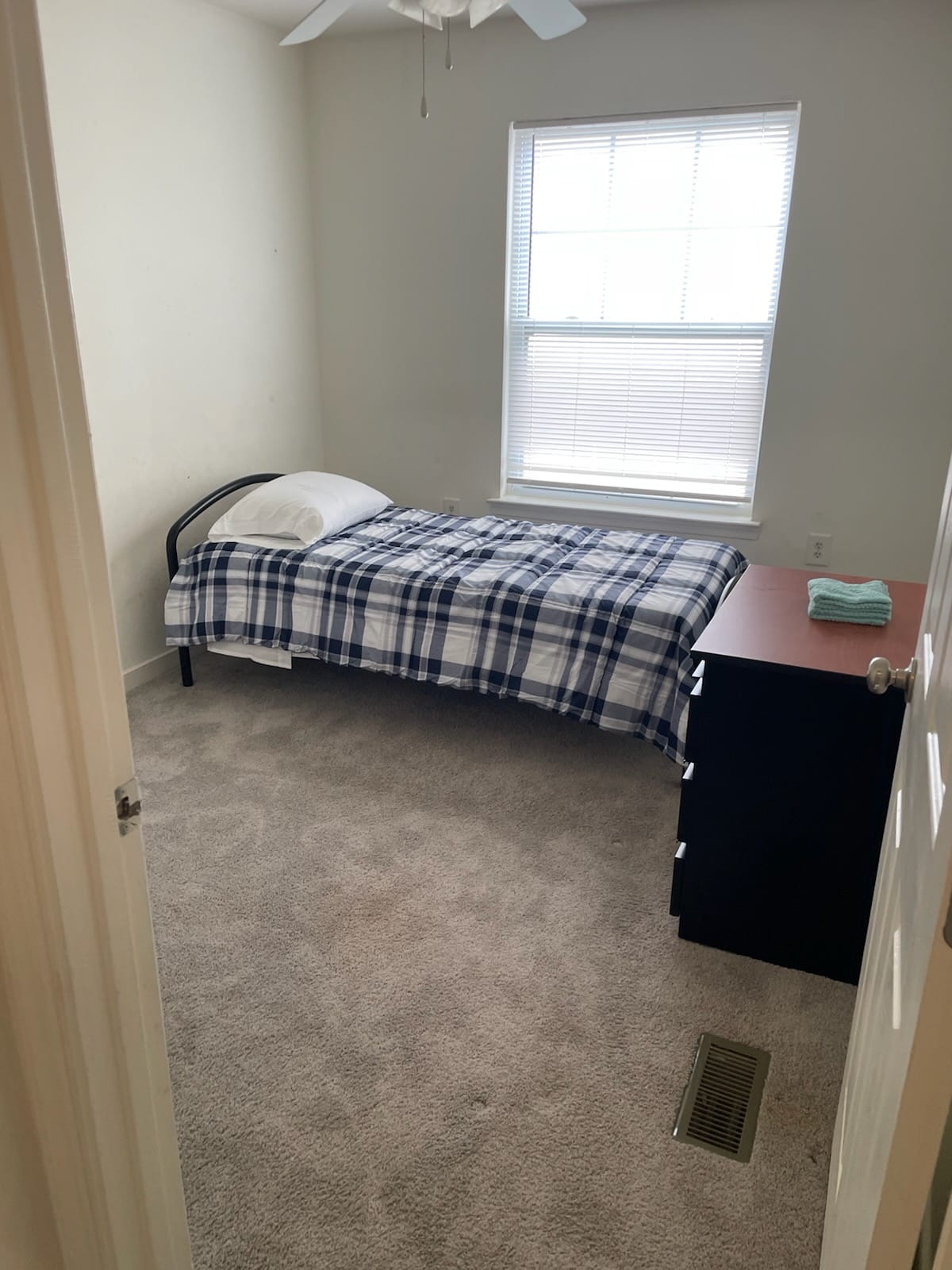
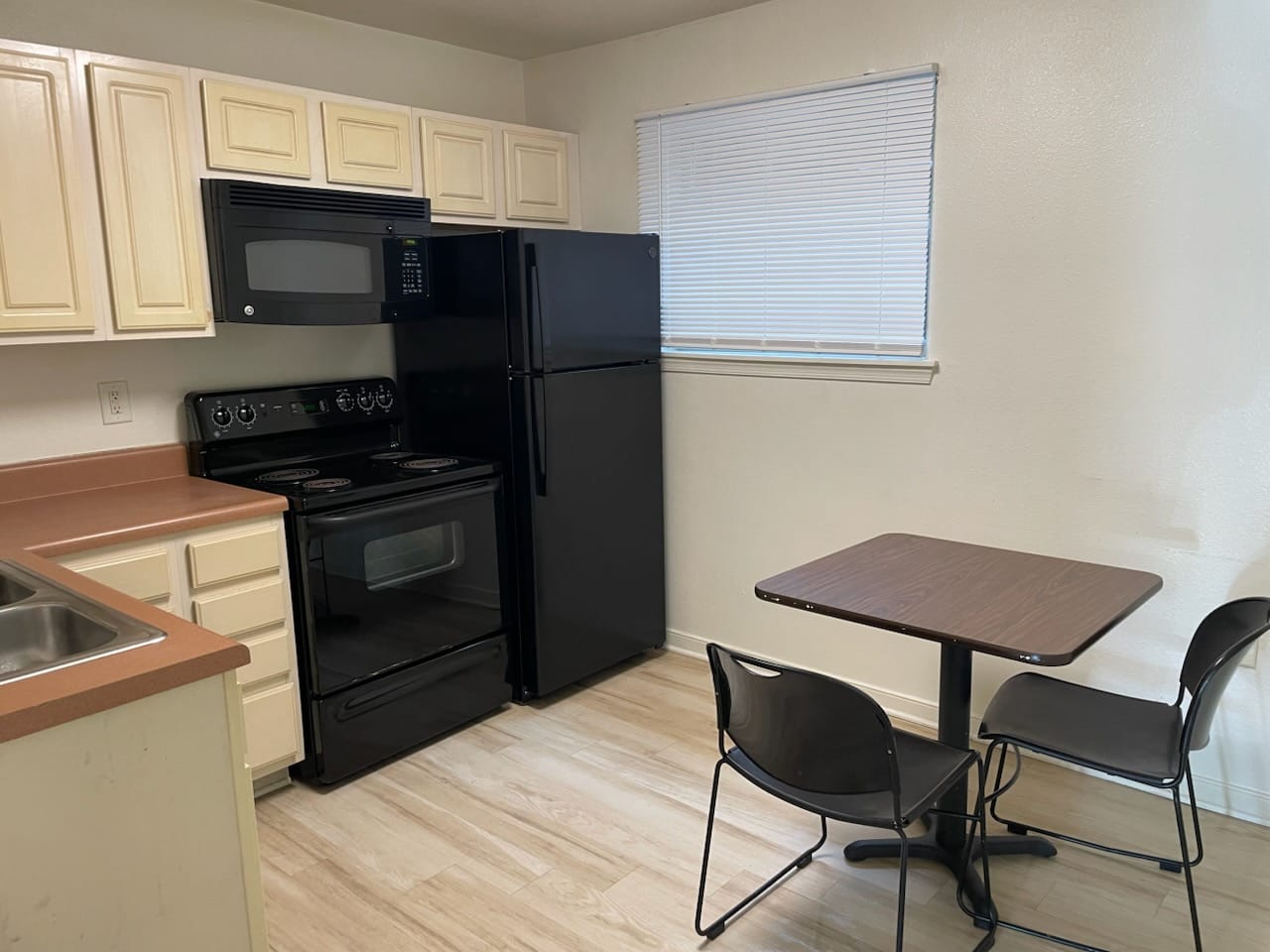
Photos of the Housing Families First transitional housing units for 18 to 24 year old people at the Villas of Oakwood. (Courtesy Housing Families First)
Adulting 101
Of the two-dozen people participating in the Forging Foundations program, many come directly from the foster care system. A total of 78 total people have participated, which include the young parents’ minor children in the 40 households.
Not having family supports can lead vulnerable young adults into homelessness.
“A lot of our clients don't have active parents in their lives. We can't go in expecting our participants to know how to do everything,” Neely said. “That's where we get to help them learn how to do those things. When they start with us at the transitional units, it's like trial independent living because we do weekly inspections.”
A lot of the youth have never had a washer and dryer in their unit and may not know how to use it.
Taking care of their financial issues could mean addressing owed arrears to a former landlord, eviction debt or utility arrears, as well as getting official documents.
“You can't sign a new lease if you can't get utilities in your name,” Neely said. “So it's looking at those things but it’s also looking at what assets you have. We look at all the different pieces of the puzzle. It's coming up with very concrete things we can do to take steps to get into housing.”
Neely and her colleagues help the young adults investigate what might be preventing them from being approved to lease a home and then showing them what to look for in an apartment, along with how to inspect it.
“If income is needed to qualify for an apartment, we're going to focus on that. We have partners to see what jobs opportunities there are and how to access benefits,” Neely said. “Some of the young adults have never had jobs. So, it's ‘okay, let's create a resume together.’ If they don't want to do it with us, we connect them to the workforce connection.”
Neely said success is knowing that HFF has had so many young adults graduate from the program with their own lease in their own name, paying their bills and their taxes.
Besides limited funds, Neely said she felt the biggest limitation of Forging Foundations are the conditions surrounding affordable housing
“The application fees are high, and then you have security deposits,” Neely said. “There are now holding fees to hold your unit. Sometimes it's applied to your first month's rent. Other times it's not. There are administration fees. Now, many landlords require three times monthly rent as an income qualifier, which is a huge barrier.”
In early March, Ramsey moved out of the Oakwood Villas unit into her own apartment she leased on her own. Neely said Ramsey’s in the driver's seat now. She can still get backup support from HFF for another year.
“My new apartment is great,” Ramsey said, crediting HFF staff with being “amazing” and helping her through the entire application and moving process. “I love it.”
Dina Weinstein is the Citizen’s community vitality reporter and a Report for America corps member, covering housing, health and transportation. Support her work and articles like this one by making a contribution to the Citizen.