Housing bills to boost supply, protect tenants on way to Spanberger’s desk
Addressing housing affordability and stock issues was a Spanberger campaign promise as Democrats made gains in state government last year
While some of the most progressive housing bills did not survive this year’s legislative session, many housing proposals are on their way to Gov. Abigail Spanberger’s desk — some of which she has already stated she will sign into law.
The bills represented a flurry of efforts to address housing issues including affordability, supply, renter protections, and state input on local zoning decisions. Although every idea didn’t make it across the finish line, the 2026 legislative session marked significant strides in housing policy at the state level.
Among the bills Spanberger wants to sign is House Bill 4 by delegate-turned-Sen. Elizabeth Bennett-Parker, D-Alexandria, which can empower local governments to preserve long-term affordability of housing stock by allowing local ordinances that give localities the first right of refusal when properties are sold. H B 15 by Del. Cia Price, D-Newport News, and Senate Bill 48 by Sen. Aaron Rouse, D-Virginia Beach, both cleared the legislature and, if signed into law by Spanberger, will extend the grace period for late rental payments from five to 14 days.
Price has said her measure recognizes that people will be more likely to catch up by the time their next paycheck comes around and can avoid the eviction process altogether. Spanberger has signaled favor towards this proposal and is likely to sign it.
Meanwhile, H B 527 by Del. Adele McClure, D-Alexandria, and S B 628 by Sen. Mamie Locke, D-Hampton would adjust the state’s existing Eviction Reduction Program to help ensure it is used by those who need it most.

McClure first floated revisiting the measure last year, when a report to the Housing Commission revealed the program’s mixed success due to nuanced reasons for evictions and because certain criteria have still posed a barrier for people to access it.
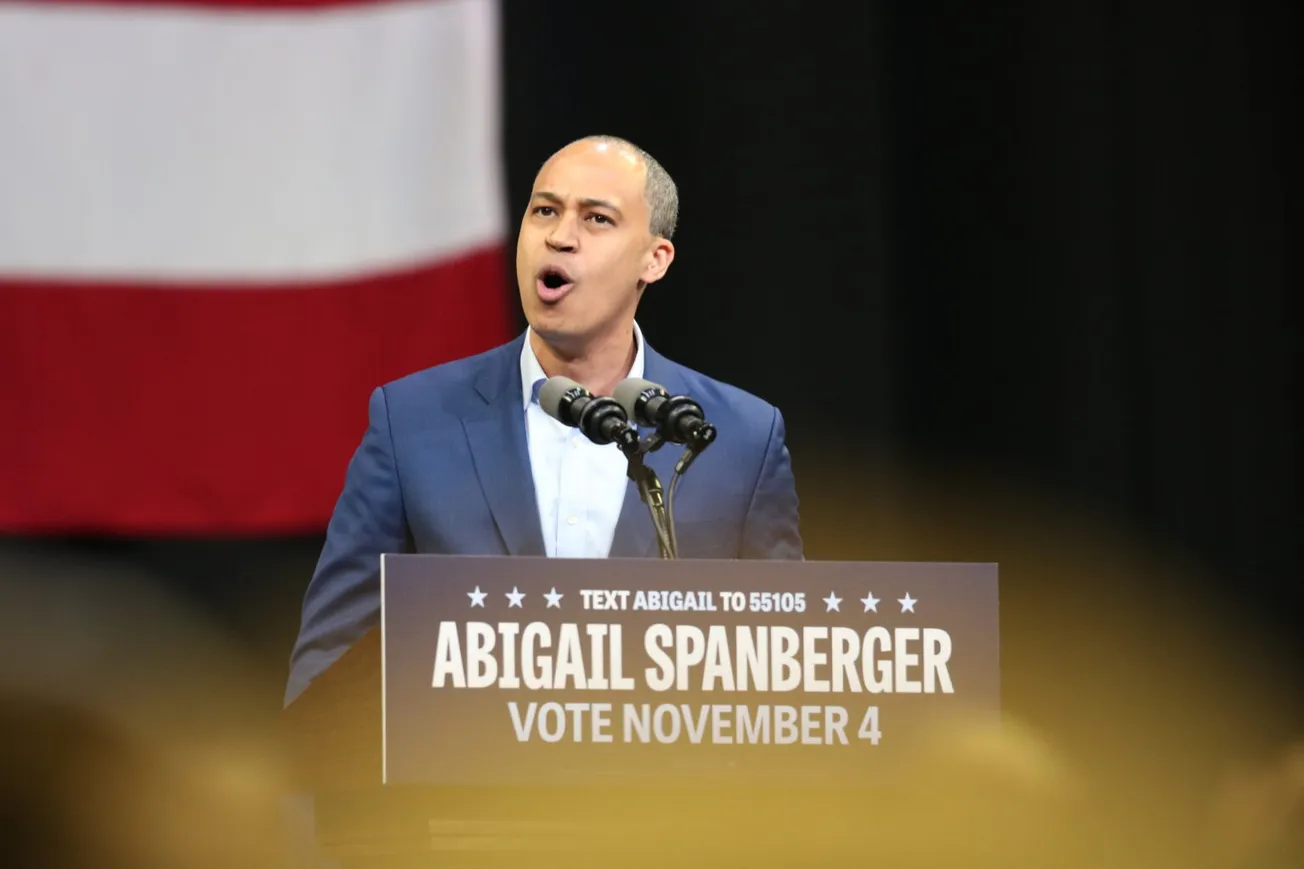
“Over the past few weeks, I’ve been encouraged to see so many of these proposals pass with broad support from across the political spectrum,” Spanberger said in a statement last month as proposals showed signs they would make it to her desk by the end of the session.
‘Yes in God’s back yard’
Previously failed attempts to enable faith-based organizations to construct affordable housing on land they already own moved forward this year.
Typically when multi-family housing developments are proposed in areas that are zoned for less density, local governments have to first approve or reject zoning change requests for the project to proceed.
To clear the way for churches or faith-based nonprofits to build on land they already own, S B 388 by Sen. Jeremy McPike, D-Prince William, and H B 1279 by Del. Joshua Cole, D- Fredericksburg, would remove rezoning requests as a step in the approval process.
Clarendon Presbyterian Church Reverend Alice Tewell said the law would have been helpful for her congregation, which spent four years attempting to build affordable housing for senior citizens on its land.
“We were really, really really excited for this plan,” she said in a recent phone call. “We were zoned for senior housing, but we were not zoned for the density that we would need for it to work. Then the prices escalated last March and we pulled out with the developer but with hopes of returning.”
Tewell referenced the broad range of peoples’ housing needs across the state reflecting different income levels, ages, and professions. Faith organizations have a role to play in helping alleviate the issue, she said.
“Our church also sees it as much larger than just about our church at this point,” she said.
The term “Yes in God’s back yard” is a play on “Not in my back yard” opposition to new developments, often used by federal and state lawmakers.
State lawmakers pitched these types of bills in recent years, and U.S. Sen. Mark Warner, D-Virginia has also introduced a federal version.
‘Housing near jobs’ failed

Despite showing signs of success earlier in the session, proposals from Sen. Schuyler VanValkenburg, D-Henrico, and Del. Dan Helmer, D-Fairfax, failed to maintain traction.
Dubbed “housing near jobs,” S B 454 and H B 816 would have allowed by-right zoning for apartments, townhomes and mixed-use developments in certain commercial corridors.
The idea drew support from the Virginia Home Builders Association, which suggested it could help developers get housing stock online sooner, save money and remain undeterred by slow local government deliberation and rising construction costs.
Each bill initially cleared their chamber of origin, and measures must clear both before they can go to the governor. After Helmer’s version fell in a Senate committee, VanValkenburg’s was assigned to a committee at a point in the legislative session when committees had stopped meeting — effectively killing it for the year.
VanValkenburg said in a text message that he plans to try again on the bill next year.
Local v. State authority tension
Localities have authority over local land use decisions like zoning and development approvals, so another proposal by Helmer and VanValkenburg that would spur local governments to address their own housing stock and affordability — or have the state do so for them — was a tough sell this session.
Dubbed “housing targets bills,” S B 448 and H B 804 outlined steps local governments could take to increase their stock within a few years to avoid giving the state government the ability to step in and override certain decisions.
Critics called it an “erosion of local control,” which VanValkenburg has said may be justified at times.
Housing Opportunities Made Equal policy director Laura Dobbs emphasized that some localities have taken charge on addressing affordable housing and housing supply issues more broadly, but said more counties and cities need to follow suit.
“But if it’s only a handful, that’s not enough to address the problem across the state,” she said. “If we don’t have enough localities willing to come to the table to improve their processes on their own, then I think it’s incumbent upon the state to step in.”
Housing supply helpers

Legislators sent Spanberger a slate of measures to boost the number of available homes statewide.
H B 594 by Del. Shelly Simonds, D-Newport News, would streamline approval processes for affordable housing projects by allowing local governments to authorize a zoning administrator to implement a process for rezoning applications tied to affordable housing developments.
Projects for market-rate housing can build cost or timeline uncertainty into their budgets a bit easier, but projects focused on below-market housing don’t often have that luxury.
Relatedly, McPike’s S B 74 would allow any locality in the state to create an affordable housing program by amending their local zoning ordinances. Current law restricts which areas can do this; if signed, McPike’s proposal would expand the option to the whole state.
S B 490 by VanValkenburg would establish a two-year pilot program for low-interest loans to develop mixed-income housing.
H B 655 by Del. Michelle Maldonado, D-Prince William, can help manufactured homes — otherwise known as mobile homes or trailers — be treated legally the same as single family homes in the same zoning districts.
H B 1212 by Del. Briana Sewell, D-Prince William, would require localities of certain population sizes to designate zoning for small-lot single family homes. Homes built on smaller lots can increase density in areas while preserving the character of single-family home neighborhoods.
Affordability assistance and tenant protections
S B 328 by Sen. Russet Perry, D-Loudoun, and H B 164 by Del. Josh Thomas, D-Prince William, would lift local caps on grants to help local government workers purchase homes in the communities they serve.
Both bills emphasized the rising costs of living in certain localities for firefighters, law enforcement officers, public school teachers, city hall staffers and other priced-out public servants.
Republicans pushed back against the idea of lifting the caps, but Perry emphasized that localities fund the grants so it should be up to them to determine how little or much they want to dedicate to it.
When tenants withhold rent to spur their landlords to address critical maintenance issues, sometimes landlords respond by suing residents instead. Current law requires tenants pay into courts before they can defend themselves, but H B 281 by Del. Katrina Callsen, D-Charlottesville, would remove that requirement.
Similar to Callsen’s bill, H B 14 by Price would enhance localities’ ability to enforce the Virginia Residential Landlord and Tenant Act when landlords fail to maintain their properties as safe, healthy living environments.
As these housing bills and dozens more make their way to Spanberger’s desk, she will have until April 13 to sign them, seek amendments or veto them.
Virginia Mercury is part of States Newsroom, a nonprofit news network supported by grants and a coalition of donors as a 501c(3) public charity. Virginia Mercury maintains editorial independence. Contact Editor Samantha Willis for questions: info@virginiamercury.com.