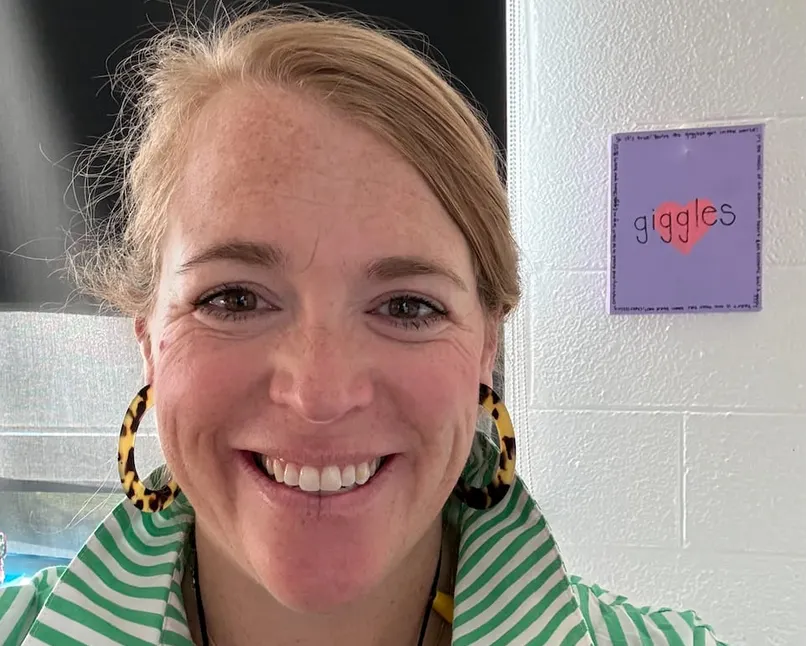
Henrico's Top Teachers – LaShanda Melendez, Rolfe and Fairfield middle schools, gifted education
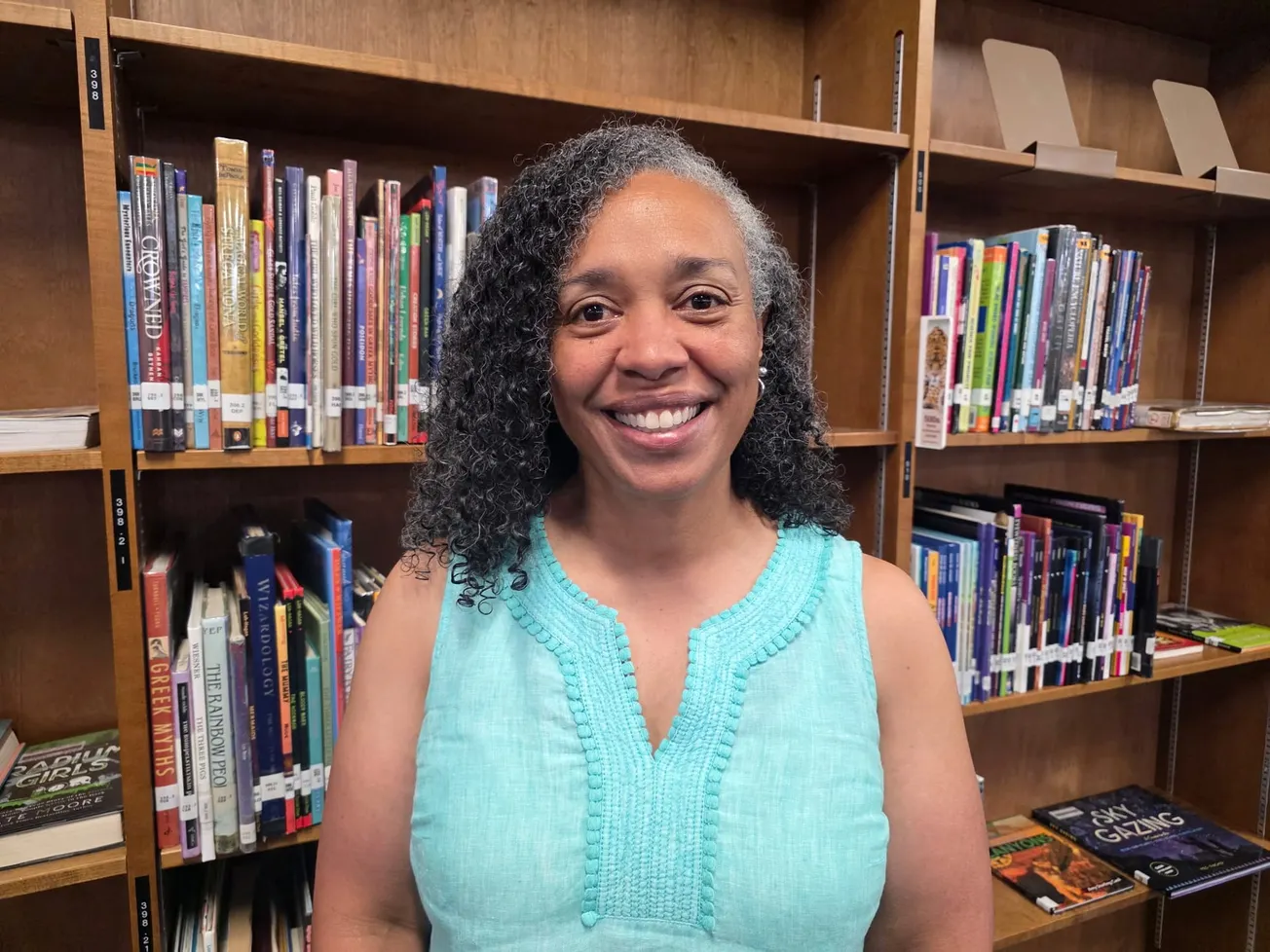
LaShanda Melendez is a department of one, but she is a powerhouse.
The gifted education teacher splits her time teaching students at both Fairfield Middle and John Rolfe Middle, but has committed herself to becoming part of the lifeblood of both schools.
For Melendez, that means engaging her students in what they really care about. One of her students may be a passionate artist, another may be a budding athlete, and another may be into fashion, and somehow Melendez is able to connect a complex topic like financial ethics back to each of their interests.
“I love being able to facilitate learning to let the kids grow and flourish where best fits them, so they can ask big questions and grow their interest. If it’s connected to them, then they have a stake in what we’re doing in the classroom,” she said. “It’s really rewarding when they do step into that space that I’ve tried to carve out for them, and let themselves grow, shine, and just blossom.”
Gifted learners often are left to their own devices, Melendez said, because of a common misconception that gifted students don’t need as much attention or specialized instruction as other students. But just like any other learner, gifted students need education that is catered to their needs and abilities – and just like any other students, they need to learn how to fail.
“They need opportunities to examine materials in different ways and ask questions, because often in school, you’re being instructed to answer questions but not to ask as many questions,” Melendez said. “Gifted learners are often accustomed to things coming more easily. I want to give them those opportunities to have what’s called productive struggle, where they can ‘fail forward’ and be okay with not being perfect and not taking the path of least resistance.”
In her classroom, Melendez tries to offer as many real-world simulations and explorations as possible, designing her instruction around what piques the interest of her students. Even at the middle school level, that entails some sophisticated topics: learning cryptology (the study of computer codes), working to get drone licenses, discussing how to invest in companies that align with a student's core values.
But from her own personal experience, Melendez knows that students are able to tackle hard topics if they are truly immersed in and captivated by what they are learning in the classroom.
As an elementary-schooler, Melendez went to an open-concept classroom-style school, a popular educational model in the 1970s where teachers were more hands-off, acting as facilitators, and students had to work together to accomplish assigned tasks.
She also remembers her middle school foreign language teacher – being in awe of the fact that she could navigate French, Spanish, German, and Latin – and her high school geography teacher, who would deck the class with country flags.
“He would literally transform our classroom,” she said. “If we were talking about Central America, he would have all of the flags up. We did so much project-based learning and so much discussion and so much inquiry.”
As a teacher with 23 years of experience – five of which have been spent in Henrico schools – Melendez sees herself as a lifelong learner. And she wants her students to venture down the same path, continuing to seek out knowledge and ask thoughtful questions.
Melendez’s impact goes beyond the walls of her classroom and travels throughout both schools, said one nominator. Her students “naturally step into leadership roles,” sharing their discoveries with other students, they said.
“[Melendez] is quietly one of the most important leaders in our schools. I have encountered few educators who possess her rare combination of pedagogical mastery, student-centered advocacy, and infectious levity,” the nominator wrote. “In her classroom, inquiry is the daily norm, failure is viewed as a stepping stone, and mutual support is the foundation of every project.”
Ultimately, Melendez wants her students to feel “safe, seen, and valued for who they are right now.” All students have potential, they just need someone to reach them in the right ways to help them develop their talents, she said.
“You hear a lot now about the apathy that students have, that it’s hard sometimes to keep their attention because there are so many other things that can pull their attention into a million different directions,” she said. “But when they are engaged – not just having fun, but truly engaged – and really analyzing and collaborating and diving into the material, those are the times that it feels amazing to be at work.”
Liana Hardy is the Citizen’s government and education reporter. Support her work and articles like this one by making a contribution to the Citizen.