Henrico Black History Month Spotlight – Isaac Pleasants

In honor of February as Black History Month, the Henrico Citizen will spotlight (on each weekday during the month) an important current or former Black resident of Henrico whose life has helped shape the county.
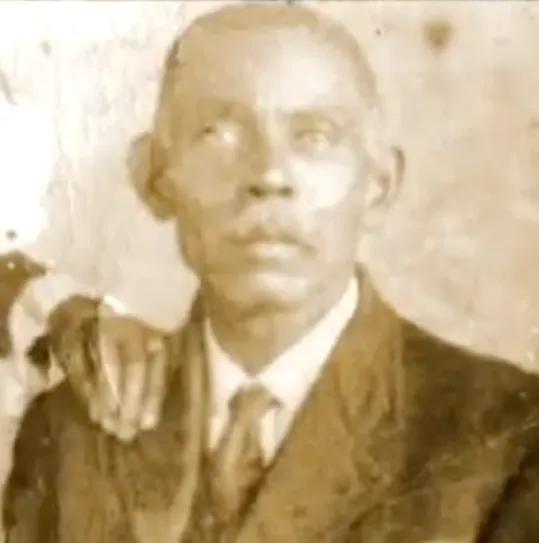
Born in Henrico County in about 1826, Isaac Pleasants emerged into a rare and precarious social position in antebellum Virginia: a free Black man who not only supported a family but also owned land before the Civil War. Descended from people enslaved by the prominent Pleasants family of Henrico, Isaac Pleasants built a life in the eastern part of the county in a free Black settlement then known as Gravelly Hill, where he lived with his wife, the former Nancy Atkins, and their children.
There, the family farmed their own land, and Isaac Pleasants supplemented that work with skilled labor as a bricklayer — a trade that would prove crucial to his long-term security.
Evidence of Pleasants’s independence and determination appears in the files of the Southern Claims Commission, a postwar federal body that heard petitions from Southerners loyal to the Union seeking compensation for property taken or during the Civil War by the U.S. Army. In testimony given in 1873, Pleasants described purchasing his farm roughly 15 years earlier — before the war — for $2.50 per acre, money he said he earned through bricklaying. He located the property in Varina Township, “nine miles below Richmond and five miles north of the James River.”
Census records support his account. In 1860 he was listed as a bricklayer, while the 1870 census recorded him primarily as a farm laborer, reflecting his growing focus on agriculture. At a time when free Black residents in Virginia were uncommon — and free Black landowners rarer still — Pleasants occupied an especially vulnerable position. Laws and customs tightly restricted where free Black people could live and work, and the outbreak of war only heightened those dangers.
 Citizen Staff Reports
During the Civil War, the shifting military front lines around Richmond placed the Pleasants family and others like them in constant uncertainty. Free Black residents often had to conceal themselves, move frequently, or navigate changing allegiances to avoid being impressed into military service or forced into day labor, circumstances that could threaten their freedom and livelihoods.
Beyond his work and landholding, Pleasants was active in his community life, serving as a deacon at Gravel Hill Baptist Church.
Researchers believe Pleasants remained in Henrico County after 1880. However, his absence from the 1900 federal census suggests he likely died before the turn of the century.