Henrico Black History Month Spotlight – Gabriel
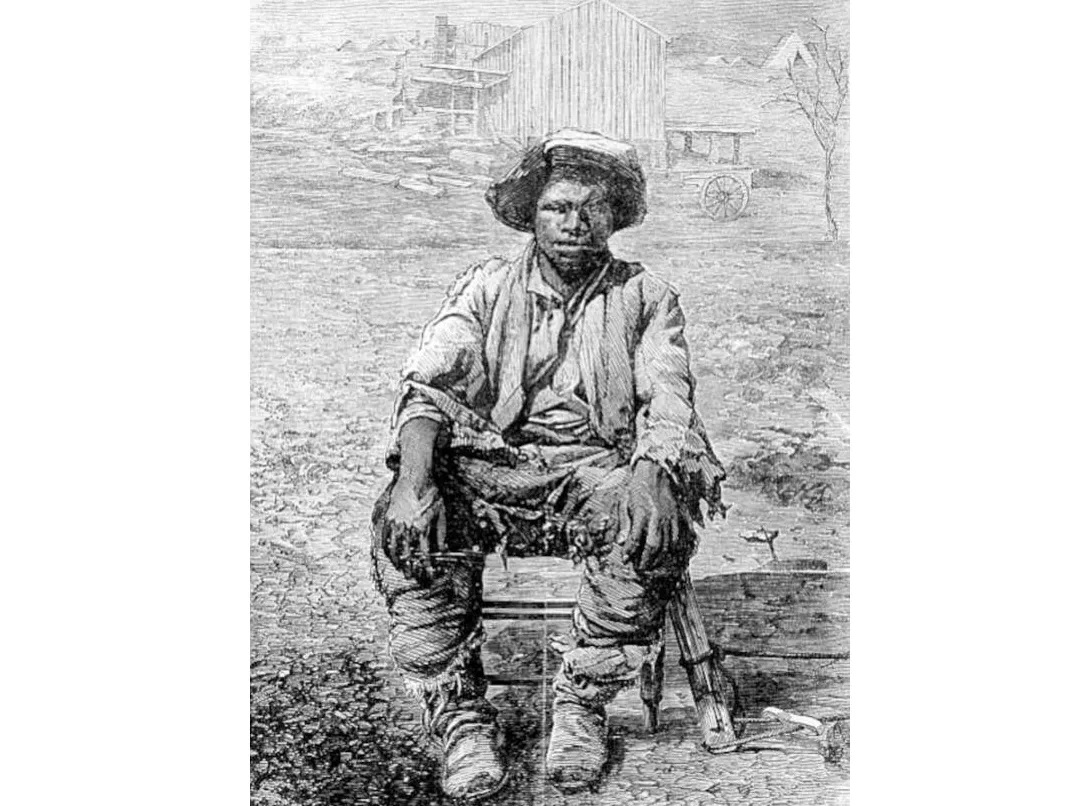
In honor of February as Black History Month, the Henrico Citizen will spotlight (on each weekday during the month) an important current or former Black resident of Henrico whose life has helped shape the county.
In the summer of 1800, one of the most ambitious slave uprisings ever attempted in Virginia took shape in Henrico County, led by a young blacksmith named Gabriel (sometimes remembered as Gabriel Prosser).
Born enslaved at Brookfield plantation in Henrico County, Gabriel was owned by Thomas Prosser and raised by parents whose names were never recorded. Trained as a blacksmith — a skilled and in-demand trade — he also appears to have learned to read and write, possibly through the influence of the plantation’s mistress, Ann Stokes Prosser. By his early twenties, Gabriel stood at least 6 feet 2 inches in height and had earned a reputation for intelligence, courage and leadership that commanded respect from enslaved people and whites alike.
He married another enslaved woman, known as Nanny or Nancy, who lived on a nearby plantation, and by the late 1790s his life took a decisive turn. When his owner died in 1798, the estate passed to Thomas Henry Prosser, then just 22. The younger Prosser frequently hired Gabriel out to work as a blacksmith in Richmond, giving him unusual mobility and exposure to free Black residents and enslaved laborers from other properties.
Those experiences — combined with a volatile relationship with his new master — fueled Gabriel’s growing determination to seek freedom. After being convicted of attacking a white man, branded and jailed, he became committed not only to his own escape but to destroying slavery in Virginia altogether.
During months of secret meetings, Gabriel and a network of trusted allies recruited followers across plantations in Henrico and surrounding areas. The plan was bold and set to take place on the night of Aug. 30, 1800.
But nature — and betrayal — intervened. A violent thunderstorm disrupted communications between Brookfield and the city. Two enslaved men, Tom and Pharaoh, revealed the plot to their owner, Mosby Sheppard, who alerted authorities. Word soon reached Gov. James Monroe, and militia units were mobilized. Dozens of suspected conspirators were arrested in the days that followed.
Gabriel initially escaped downriver but was captured in Norfolk and returned to Richmond for trial. Convicted of conspiracy and insurrection, he was sentenced to death. At least 26 other enslaved men implicated in the plan also were executed.
On Oct. 10, 1800, at just 24 years old, Gabriel was hanged.
Although the rebellion never materialized, its scope stunned Virginia’s political leaders and slaveholding class. Two centuries later, Gabriel’s failed rebellion is remembered as a powerful early challenge to slavery in the state and a testament to the resolve of those who dared to imagine freedom long before it became law.