GRTC board takes issue with 'financial cliff' narrative, projects confidence for expansion and growth
Table of Contents
At the December Greater Richmond Transit Company board meeting, members dismissed the public narrative that the transit company would be facing a “financial cliff” in six years.
Last month, local outlets reported that by 2031, GRTC will have spent 77% of its $22 million reserve fund. And by the same year, the company’s nearly $60 million in reserves supplied by the Central Virginia Transit Authority will have dwindled to a meager $332,347 — a 99.5% hit.
But GRTC board member Odie Donald II, Richmond's chief administrative officer, said the narrative that the transit company lacked funds six years off was a confusing and incorrect idea, since GRTC is committed to expanding services while continuing fare free travel through June. That makes it the envy of other transit systems, he said.
Of the narrative, Donald said “That's not appropriate or proper,” asserting that the GRTC board had made proven investments while leveraging CVTA funds to be able to lift its coffers.
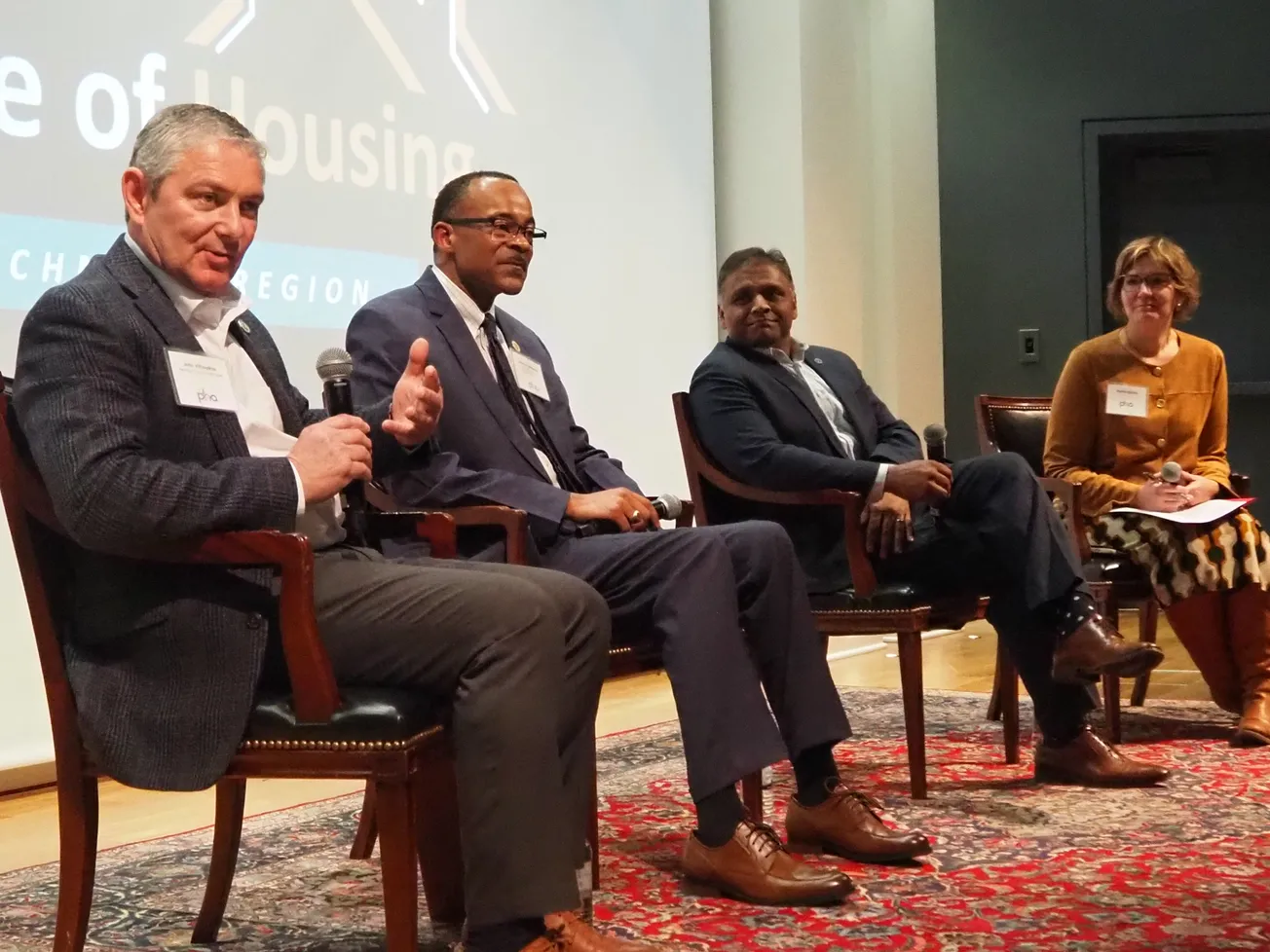
GRTC Board Vice Chair and Chesterfield County Supervisor Jim Ingle detailed a GRTC board finance committee meeting earlier in the month that focused on funding planned expansions.
“We really are in a great place,” Ingle said. “We really have made tremendous strides since 2020 when we couldn't even get over a hurdle to get enough drivers to even get back to a normal service. It's important that we don't lose the messaging and that we do continue with that.”
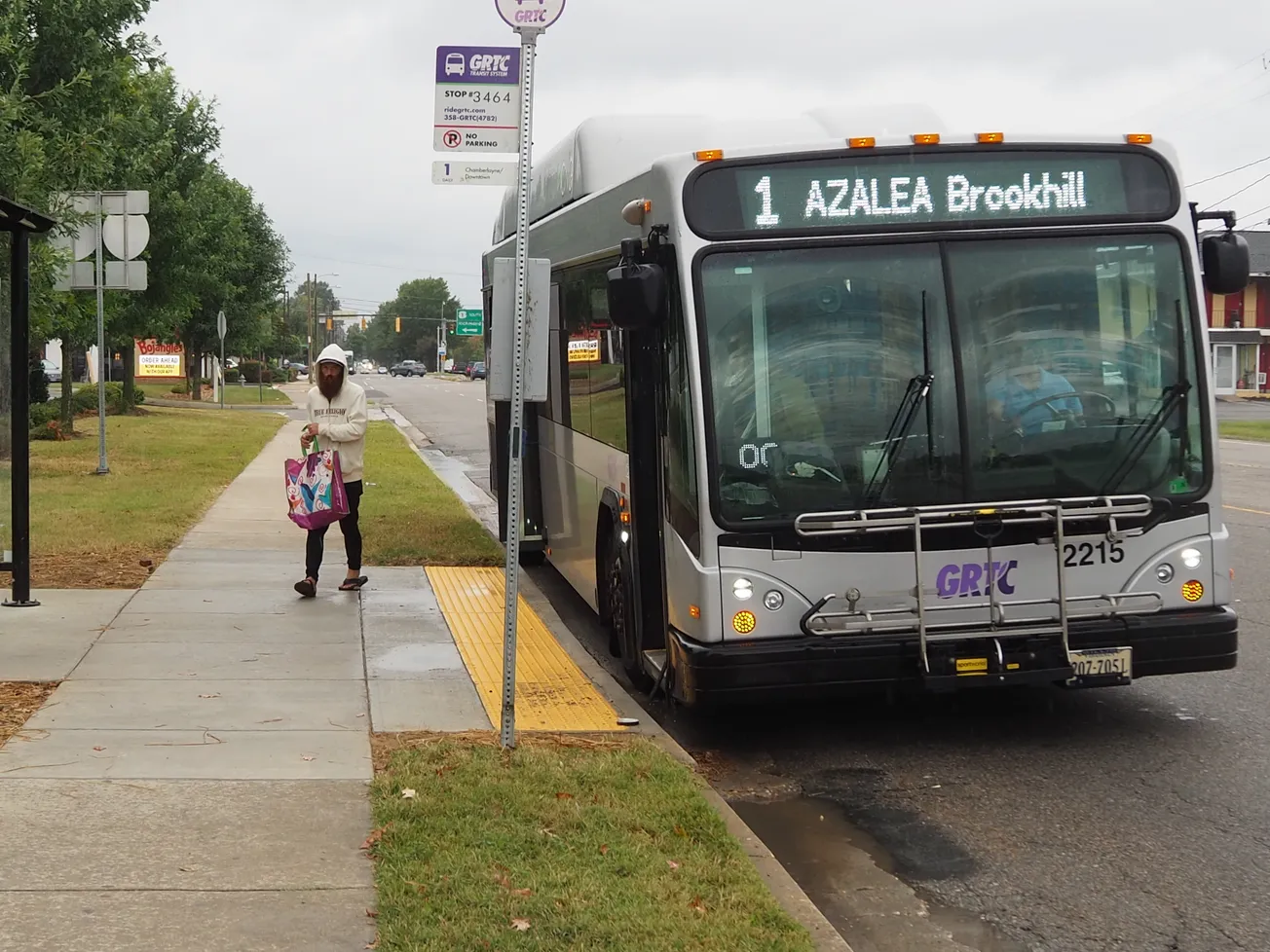
Ingle said a shortage of funds that the media reports focused on was based on the cost of the planned north south bus rapid transit project, which will establish a new station at Azalea Avenue and Brook Road in Henrico County as its northernmost point, while extended at some point in the future event farther north. The last phase of the N/S BRT project is estimated to cost $7 million a year in operations.
“If that goes into effect, there would be a shortfall,” Ingle said after the meeting. “But if for some reason that didn't go into effect or we were able to find other funding sources to support that, then there wouldn't be a cliff. I never used that term. I don't think anybody on this board ever used that term. But the press did. It was based on the fact that if we grow everything in the timeframes that have been presented, the cost of operations would exceed the revenues.”
Nelson: 'I feel good about where we are'
The term “financial cliff” was, however, used on the last page of the September GRTC board retreat document, posing a question after laying out financial predictions of funding: "How would the board like to proceed?"
The last idea asked the board if it would limit or eliminate planned service expansions to minimize cost increases, and the following line said that would delay the potential financial cliff. The purpose of the board retreat was to dive deeply into long term planning.
Ingle clarified that the GRTC board and staff would use the coming years to identify other funding sources to reach expansion of service goals.
“Therefore, it's not a cliff,” Ingle said. “It is a challenge that we have six years to solve. Most of our jurisdictions are trying to figure out how to solve problems in the next one to two years."
Ingle said GRTC is in a better position because the staff and board have more time to come up with resolutions and or change timeframes to ensure that the GRTC stay solvent and is “able to move forward in a positive manner.”
GRTC Board Chair and Varina District Supervisor Tyrone Nelson said the GRTC board is constantly trying to seek standalone and matching funding, through grants as well as local, state and federal opportunities. He emphasized that CVTA money is not the only pot that funds GRTC.
“If the CVTA money looks like it'll run out in six years, if we don't have any other funding mechanisms, [the public needs to know that],” Nelson said. “We're working on that as we go forward. So I feel good about where we are.”
According to the GRTC Fiscal Year 2026 Budget, Henrico County contributed $4.3 million to public transit in 2025. That amount is scheduled to increase slightly next year. The City of Richmond contributes twice that amount, and the largest GRTC funding contributor is the CVTA at $30.3 million. But Henrico generates about one-third of the revenue that is collected by CVTA, according to Henrico Public Works Director Terrell Hughes, who also sits on the GRTC’s board.
Increased routes coming
Looking back at this year, GRTC Chief Executive Officer Sheryl Adams said that key accomplishments included serving a record high of 12 million riders, with the growth of microtransit in areas such as Sandston in Eastern Henrico.
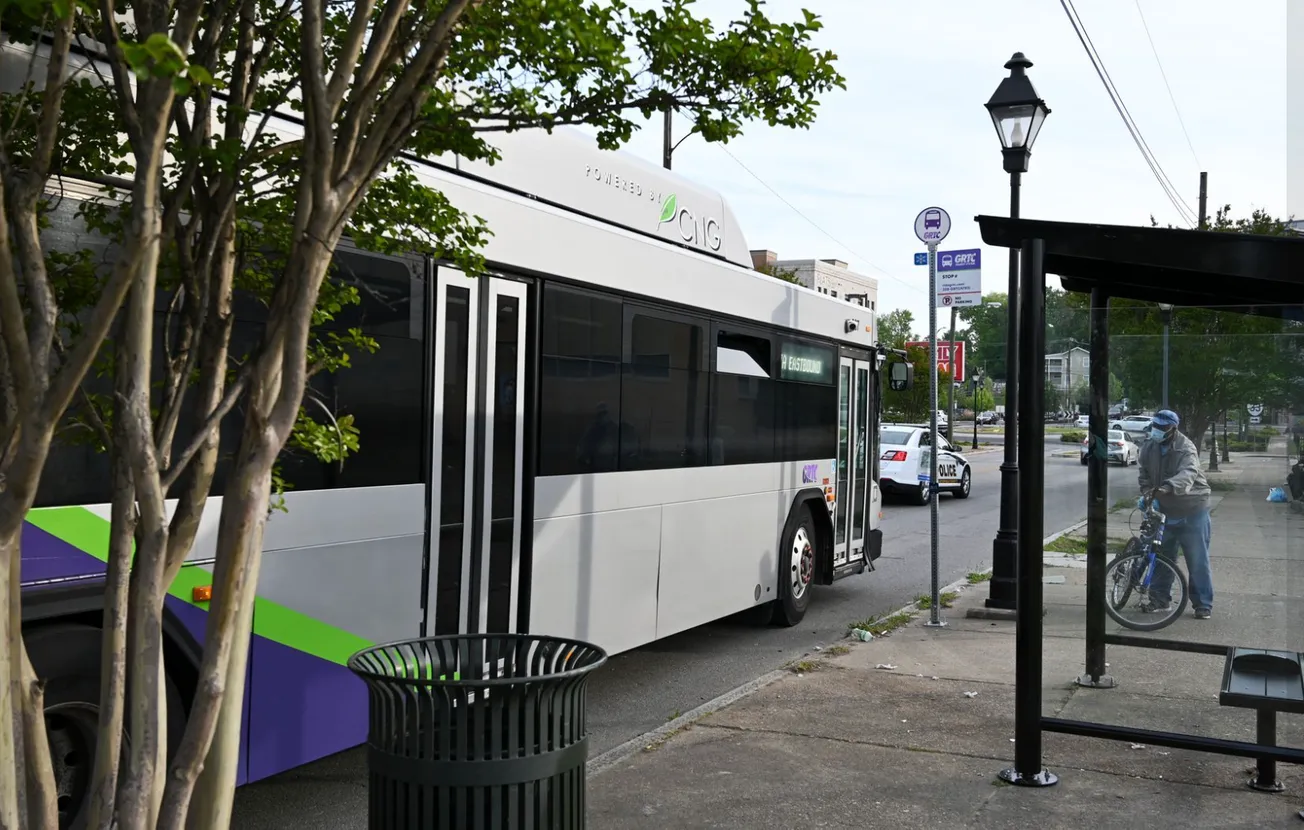
Adams cited the growth of route expansions on Route 1 to Virginia Center Commons and Routes 7A and 7B increasing frequency to the Richmond Airport. She also cited increased “essential transit infrastructure,” such as bus shelters, benches, trash cans and other amenities, to benefit Henrico bus stops.
In addition, a new class of drivers currently is being trained and another class will start in January, she said. Certain routes had recently seen service adjustments because of staffing issues.

A presentation giving an update on the status of the Pulse North-South Bus Rapid Transit expansion (which is at the design stage) led to the board giving approval for GRTC to pay the design firm Wendell/Kimley Horn $3 million for design services.
Lora Toothman, GRTC's director of capital construction and facility improvement, reviewed the project timeline, noting that a major corridor study and corridor alignment have been completed. Since 2024, GRTC has been in a study phase but now has 10 station locations nailed down.
“We're working on our final preferred concept,” Toothman said. “The design advancement, we hope to begin in the winter of 2026. We’re looking at construction starting in 2028 and completing somewhere around 2031.”

GRTC is currently seeking input from the public online on the North South expansion.
During public input sessions this summer on transit-oriented development by the planned stations, respondents said the Brook Road northern terminus, just north of the intersection of Brook Road and Azalea Avenue at Bentley Street (adjacent to the former Walmart Neighborhood Market) is one of the station areas with the biggest opportunity for development.
Many stakeholders see this station as an opportunity area, due to the presence of large, underutilized or vacant sites. The stations could connect to new developments in Henrico County and be a high-demand transfer station. Stakeholders also highlighted potential for increased building height, transit oriented development-related density and transformation into more vibrant, mixed-use spaces.

A few respondents in these studies supported the development of theaters, movie houses or other cultural spaces, particularly at larger stations or in revitalizing areas like Azalea Mall.
Other people emphasized that areas like Azalea, which currently have limited development, should be treated with more permissive zoning, allowing for higher density multifamily uses to encourage growth without displacing existing uses. A few other people said retail and dining-oriented streetscapes are desirable, particularly at hubs like Azalea Avenue, but should be protected from traffic and not located directly adjacent to the street without buffers.
Many respondents said affordability should be prioritized over building height, noting that “affordable” expensive residential housing (such as that starting in the $400,000 range) are not accessible for most residents.

GRTC Chief Operating Officer Kevin Hernandez also presented the results of a study conducted to understand how well GRTC’s paratransit services are working and where the organization can improve efficiency, as well as provider and rider experience. The Care Plus service is specific to Henrico County.
“Longer trips with fewer passengers lead to reduced productivity and efficiency,” Hernandez said the consultants hired to do the study found. “The combination of longer, less efficient trips and [trips without paying passengers] drive up the cost per trip.”
Hernandez will present a proposal for change to implement improvements in para transit in the spring.
“We are trying to meet the needs of the people who are here now and looking into the future,” Nelson said at the end of the meeting. “We are expanding services. We're trying to make ride times for stops shorter in the area. We spread out with microtransit, and paratransit and all the different mechanisms that we're trying to move people around. This is probably the most robust effort that GRTC has ever taken on trying to move people around. I'm proud of where we are.”
Dina Weinstein is the Citizen’s community vitality reporter and a Report for America corps member, covering housing, health and transportation. Support her work and articles like this one by making a contribution to the Citizen.