Skip to content

Federal lawmakers try to protect Va. forests as Trump administration moves to repeal Roadless Rule

400,000 acres of Virginia forest land at risk of development if rule is repealed
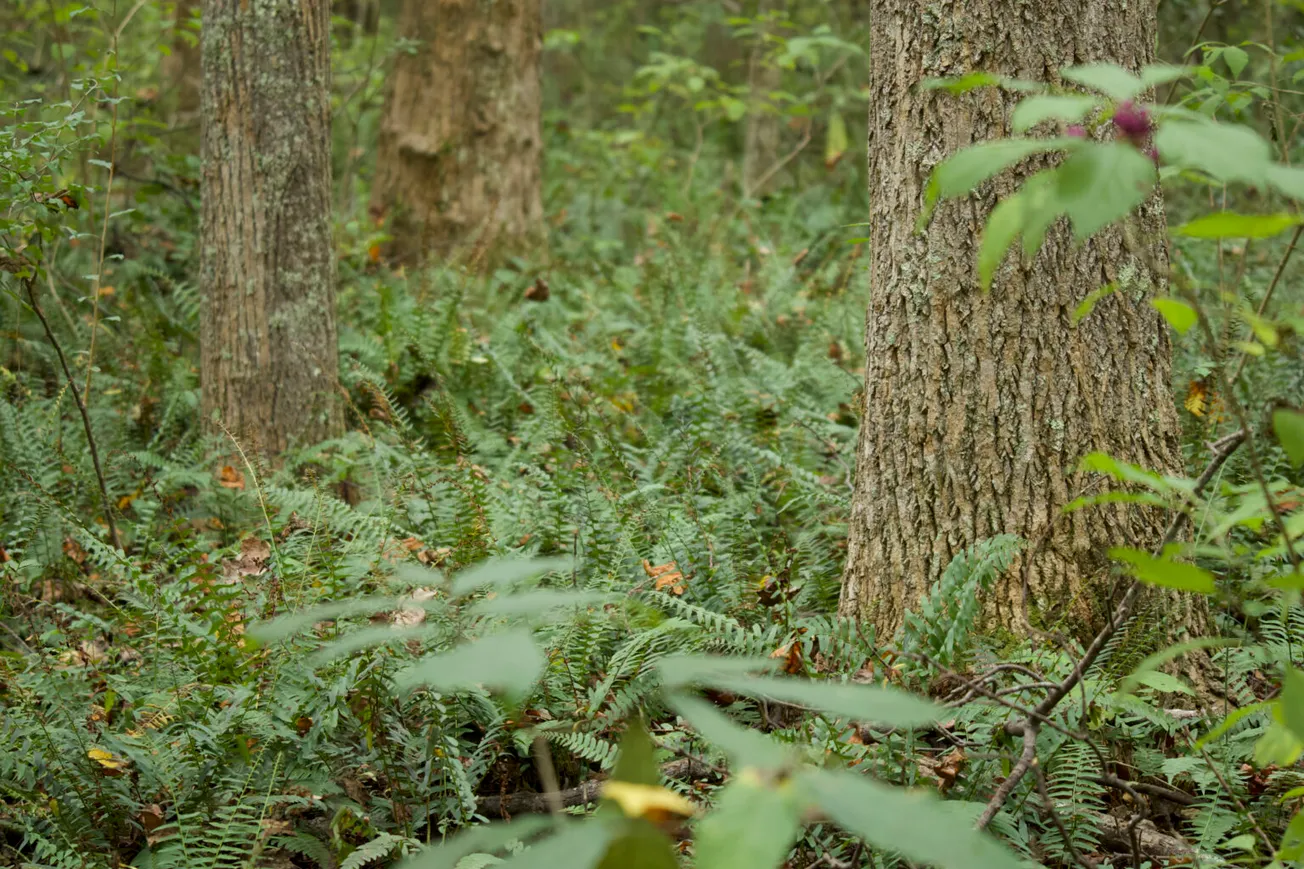
An unmanaged forest understory in New Quarter Park, York County, provides a wide range of community and ecosystem health benefits to the Chesapeake Bay watershed. (Photo by Evan Visconti/Virginia Mercury)

Table of Contents

President Donald Trump’s administration has set in motion efforts to repeal the Roadless Rule, a 2001 administrative mandate that put 45 million acres of the least developed forest land under protection from logging and construction of roads. As the nation observes the rule’s 25th anniversary, Virginia’s federal lawmakers and advocates are calling for its preservation and say hundreds of thousands of acres of forests could be at stake if it is axed.   

The federal government has framed the proposed repeal as necessary for forest management against wildfires.

“This move opens a new era of consistency and sustainability for our nation’s forests. It is abundantly clear that properly managing our forests preserves them from devastating fires and allows future generations of Americans to enjoy and reap the benefits of this great land,” USDA Secretary Brooke Rollins said in a June meeting of the Western Governors’ Association when the proposed rule change was announced.


A map produced by the Southern Environmental Law Center shows the Virginia lands under threat of losing protections if the Roadless Rule is repealed. (Photo by Shannon Heckt/Virginia Mercury)

Environmental advocates have said since last summer that repealing the rule will lead to land degradation, sediment pollution, and create risks to clean water sources. It would also open up large swaths of the 400,000 acres of the protected forestland in Virginia to logging and potential new roads.

“The Forest Service is ignoring the fact that most wildfires are caused by humans and start within 50 yards of a road,” said Sarah Francisco, director of the Virginia office of the Southern Environmental Law Center.

The Roadless Rule protects national forests from being developed in an effort to maintain clean water, habitats, recreation and old-growth forests. Virginia has a total of 1.6 million acres in the National Forest System, while only a fraction is protected under the rule.

Hundreds of thousands of public comments have been posted since the proposed change was announced, the overwhelming majority of which oppose repeal.U.S. Sen. Tim Kaine, D-Virginia, and U.S. Rep. Jennifer McClellan, D-Richmond, are working to gather more public input to potentially stop the U.S. Forest Service from changing the rule – or bring legislation to codify the protections in law.

“They could undo 85% of that nearly 400,000 acres,” Kaine said in a press conference on Monday.

The senator, joined by McClellan and representatives from the Southern Environmental Law Center and Virginia Wilderness Committee, explained that the water that comes from the forests in the Shenandoah mountains, where the majority of Virginia’s protected forests are, is critical to clean water downstream of the Potomac and James Rivers.

“This administration will literally pave the way towards an increased oil and gas leasing, mining, and other harmful development that would cause us to lose what makes these protected lands so special,” McClellan said.

Members of the logging industry have viewed the Roadless Rule as an anti-logging regulation that they feel limits where the industry can work. Scott Dane, the Executive Director of the American Loggers Council, told the Virginia Mercury in June that more has to be done to maintain the health of the forests. However, the rule already has carve outs regarding forest and wildfire management. 

Kaine has been working to pass legislation to add more Virginia land to the Roadless Rule protections. He explained that the U.S. Senate will often package public lands bills together to be passed all at once, which has led to delays for his proposed legislation to advance. 

But with U.S. Sen. Thom Tillis of North Carolina retiring at the end of the year, who also has proposed public lands legislation, Kaine hopes they can move the bills forward as part of senate tradition to honor retiring lawmaker’s legislative goals.

When Kaine was lieutenant governor and then governor of Virginia, the Roadless Rule faced challenges from the Bush Administration that were ultimately fought off in court. 

Portions of the protected lands across the country that haven’t been given additional congressional safeguards would be at risk for development, should the Forest Service finalize the repeal of the rule. Kaine said that Congress can either pass legislation to codify the protections for all 45 million acres, which would hinder the administration from repealing or changing the rule without an act of Congress, or lawmakers can demand a congressional review  to challenge the rule change.


Virginia Mercury is part of States Newsroom, a nonprofit news network supported by grants and a coalition of donors as a 501c(3) public charity. Virginia Mercury maintains editorial independence. Contact Editor Samantha Willis for questions: info@virginiamercury.com.

Comments