During 'State of Housing' event, Vithoulkas details housing programs that work, urges local flexibility

Sharing the stage with leaders from around the region Jan. 22 at the Partnership for Housing Affordability's 2026 State of Housing in the Richmond Region event, Henrico County Manager John Vithoulkas detailed how the county is addressing crucial housing issues and championed the ability for localities to have flexibility in how they do so within their own borders.
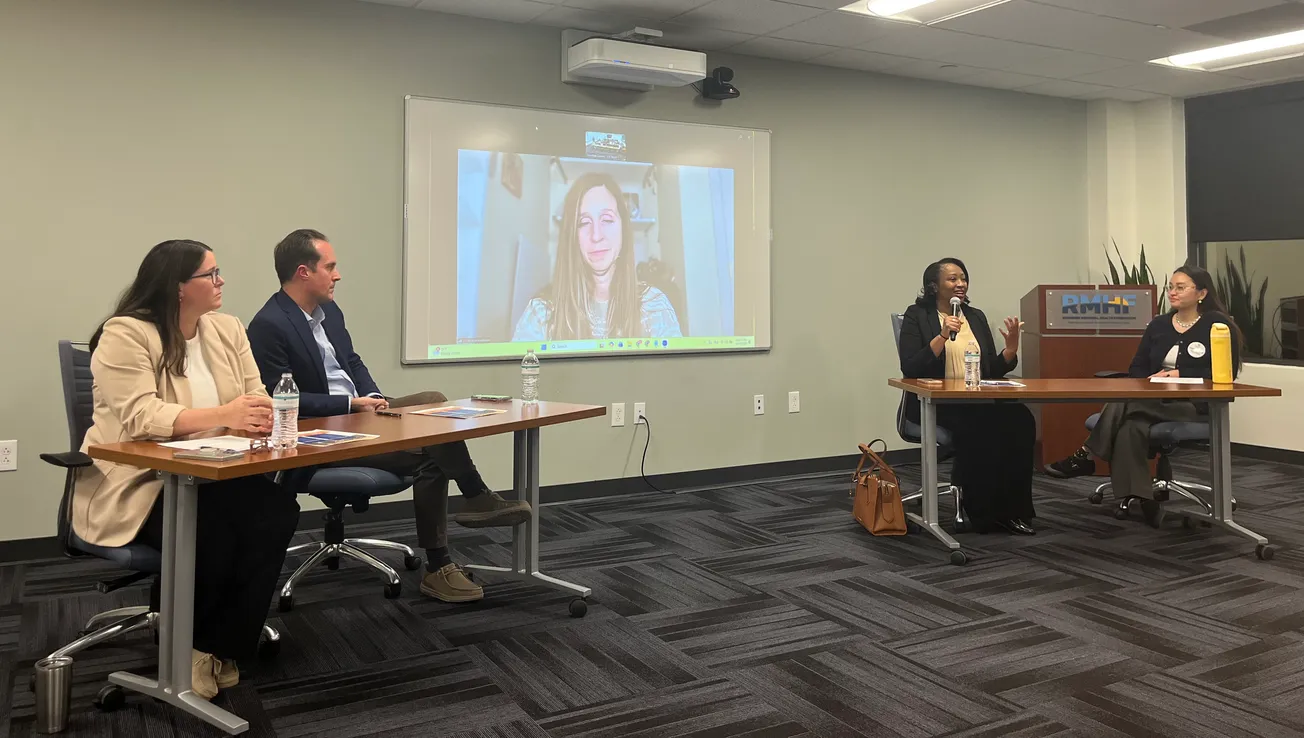
During the elected and appointed leader panel at the annual event, held this year at the Virginia History Museum in Richmond, Vithoulkas joined Richmond Mayor Danny Avula and New Kent County Administrator Rodney Hathaway to unpack regional priorities, emerging strategies and areas of greatest need.
Unsurprisingly, Vithoulkas said that the most pressing housing need for Henrico right now is affordable housing.
“Henrico is addressing housing challenges from a number of different angles, that I would classify as successes,” Vithoulkas said. “This is a very complicated issue with not one area of housing being the focus.”
He said county leadership has tried to address housing issues around ownership, rentals, senior housing and people living in hotels. To do that, Henrico leaders have reworked the county's internal processes.
He highlighted housing developed through the county's Affordable Housing Trust fund, a program that eliminates connection and building permit fees as part of a series of benefits for builders who agree to offer a certain number of more affordable units as part of larger developments.
The fund is administered by the Partnership for Housing Affordability, a housing needs nonprofit that champion policies, developments, and programs for quality affordable housing in the Richmond region. The 2026 State of Housing in the Richmond Region annual gathering focused on housing policy, affordability and regional collaboration.
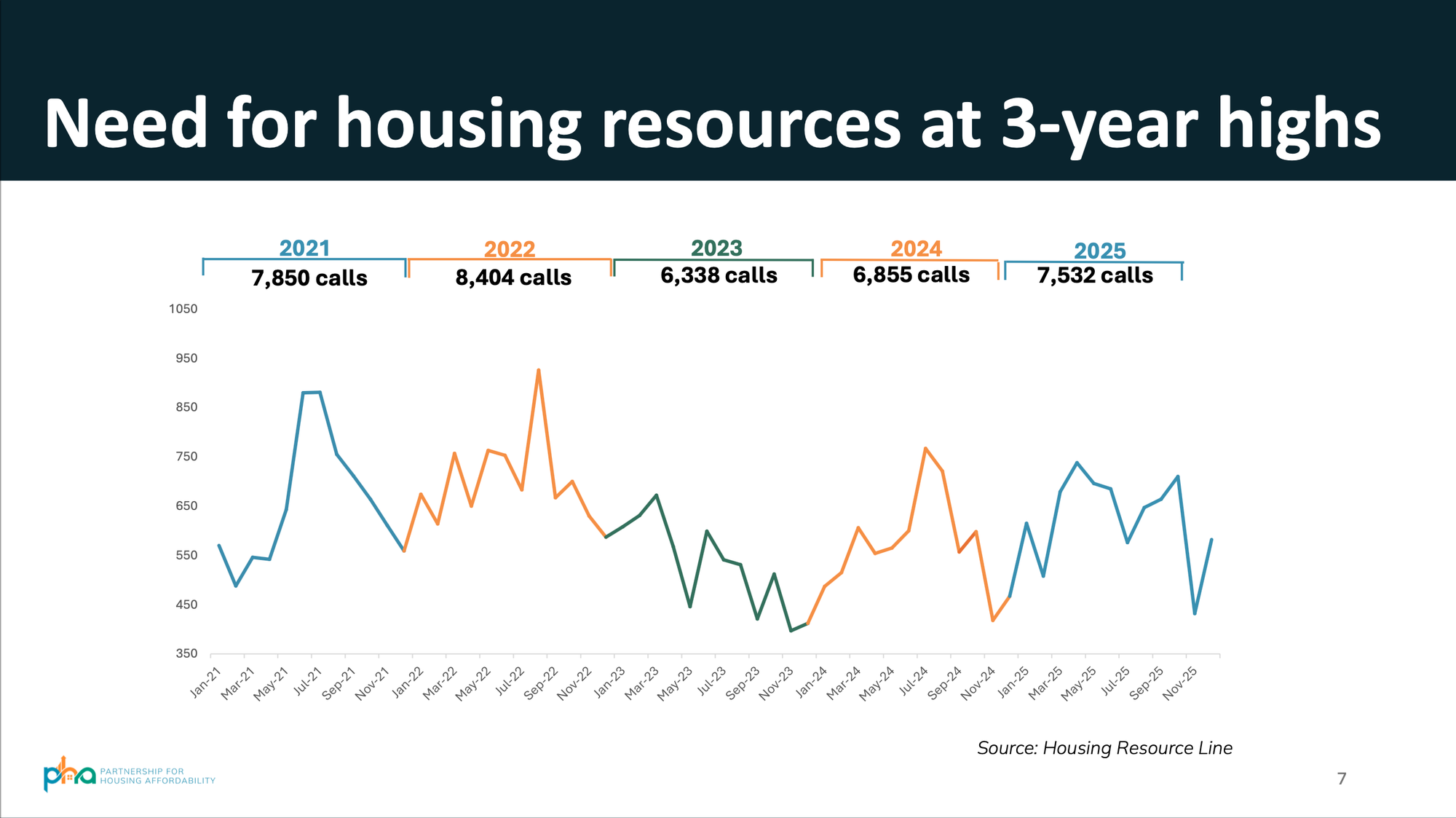
During the event, an audience of about 300 people (including realtors, nonprofit staffers, investors, elected officials, state finance agency staffers, philanthropists, health organizations, people who work at private corporations and bankers) came to hear local government leaders like Vithoulkas and PHA staffers speak about key wins from the past year, emerging trends and the policy priorities shaping the region’s path forward.
The Henrico County Board of Supervisors has taken an aggressive stand outside of the Trust Fund to create the smallest lot size in Virginia, known as R-5BC (general residence district conditional) classification, Vitoulkas said.
“In order to do the Affordable Housing Trust Fund, in order to do Glenwood Farms, we as a local government had to do something that is really uncomfortable for local government. We had to break rules,” Vithoulkas said.
Glenwood Farms is a 34-acre housing development located along East Laburnum Avenue near Mechanicsville Turnpike that was owned by what Vithoulkas termed an absentee slumlord. The county is now helping fund its complete redevelopment, a process that will increase the number of residential units from 240 to 950 while implementing some commercial space.
“We had to figure out a way with bankers, with realtors, with developers. How do we get there? And ultimately, we were able to get there. But it takes an intent and it takes political support because no administration would be able to do it if you didn't have an elected body that said, ‘Go figure it out,’” Vithoulkas said.
Focusing on many different approaches have been key to addressing affordable housing needs in Henrico County, Vithoulkas said, from the new R-5BC zoning to mixed-use developments and residential builds, including apartments.
“And as a government [we] sometimes [need to] get out of the way, but also at other times [we need to] help facilitate transactions that lead to results,” Vithoulkas said. “That's been a sea change for Henrico County, in my tenure. It comes from the top and the directive, that comes from the elected officials.”
Solving greater problems
Vithoulkas said fixing unfit low-income housing affects whole families, beyond the children who often have to live in dreadful conditions.
“It affects the parent coming home and having to deal with sewage coming through the ceiling, as opposed to, ‘Let's sit down and do your homework,’" Vithoulkas said, adding to applause that "it is everything. It is economic development as well. To me, [clean, functional housing] is a fundamental right that you should have in this nation."
Henrico is planning to foster the construction of about 150 new units annually through the Affordable Housing Trust Fund, Vithoulkas said; the county typically sees construction of about 800 new housing units each year.
“Senator [Mark] Warner has suggested that Henrico County's approach be emulated nationally. This revenue is data center revenue, and localities that have data centers [should know] you don't have to put that money in the general fund, you can do something spectacular with it, because it is significant,” Vithoulkas said.
Healso expressed excitement about the relatively new Henrico Employee Home Purchase Assistance Program, which offers $25,000 to qualified employees who are buying their first homes. Qualifying requires a five-year work commitment and other standards; it's a forgivable loan that is IRS compliant.
“It helps. Think of the salaries of teachers and entry level, police officers or account clerks make and they're able to get into homes and then, they are going to be productive employees for us for many, many years,” Vithoulkas said. “You see these employees, and we're changing lives.”
A employee housing support program is something that Henrico County has suggested to a number of companies.
Fellow panelists offered different perspectives about the similar issues raised.
Avula focused on Richmond’s zoning update, public housing development, efforts to implement a housing affordability plan, the federal Road to Housing Act (which focuses on housing production and supply) and working with Virginia Gov. Abigail Spanberger, who has made affordability and housing production a core part of her housing agenda.
Hathaway said New Kent County had a distinct set of housing challenge and need for various forms of affordable housing. The county has a housing advisory board and is developing an affordable housing trust fund of its own.
Help on the front line
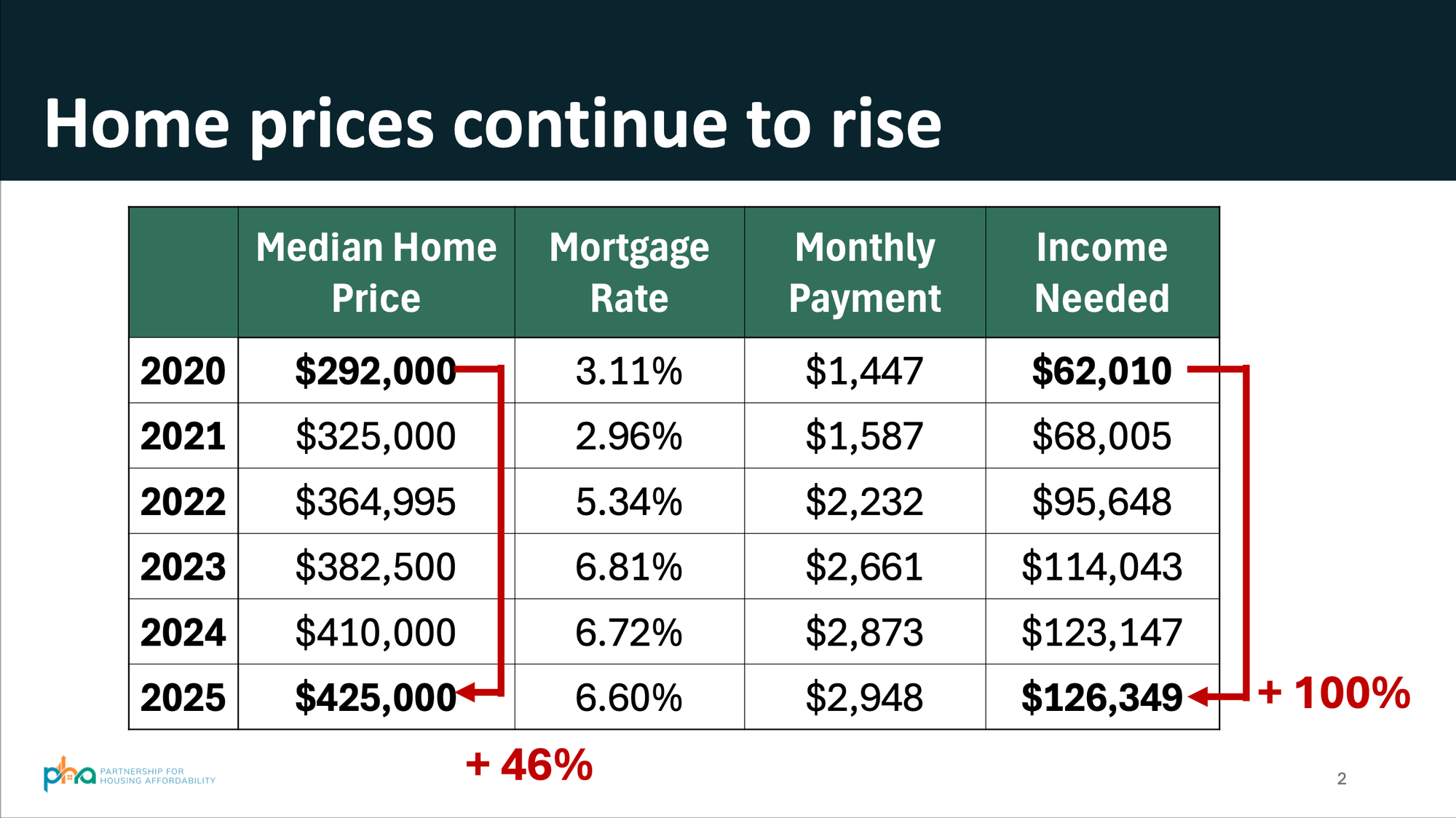
PHA policy director Woody Rogers closed out the night with sobering data about just how much home prices have increased in the area - a reality that puts many at a disadvantage when it comes to home ownership.
“Not only has the median price of homes grown by nearly 50% more than what the average home cost in 2020, but the actual income to afford that average home has increased by double in that same time period," Rogers said. "So in order to afford the the average home of $425,000, you would need an income of around $126,000, which for many households in the region is pricing them out of homeownership and the wealth building that it creates.”
Rogers detailed PHA’s extensive six-point policy agenda for 2026 that addresses these rising costs in an effort to make homeownership attainable for households with lower incomes:
1. Work with local sources to ensure that the housing ecosystem has access to funds equal to or in excess of annual federal funding for housing programs.
2. Utilize the unique role of economic development authorities to expand affordable housing opportunities for the region's workforce.
3. Secure scaled, private-sector commitments to a regional housing fund that will drive flexible and innovative financing for affordable housing.
4. Increase investment in home repair programs to ensure that households avoid displacement and the region’s affordable housing stock is preserved.
5. Capitalize on underutilized property owned by the corporate sector to create new affordable housing opportunities.
6. Encourage localities to adopt policies that streamline processes and waive fees for affordable housing development.
Later, panelists had a chance to speak directly to the audience.
“Help us on the front line,” Vithoulkas requested. “Capital One, if you are a lending institution, we've got more Glenwood Farms. We’re going to continue those efforts where we're going to need private partners, we're going to need to do things that haven't been done before in local government.”
Vithoulkas said there is no one size fits all solution to any of the affordable housing issues that face the region.
He asked those working at the state level in the Virginia General Assembly who might think “everyone needs to do this here” to be wary of that approach.
“The key, from my perspective, [as] a long-term administrator, is give the localities as much flexibility as you possibly can,” Vithoulkas said. “By using tools like our Economic Development Authority to do things that we've never done in the realm of housing, you're going to see some success, especially with the urban and suburban localities in the Commonwealth of Virginia.”
Dina Weinstein is the Citizen’s community vitality reporter and a Report for America corps member, covering housing, health and transportation. Support her work and articles like this one by making a contribution to the Citizen.