Democrats try to ‘balance’ renters’ rights with landlords’ rights in proposed housing bills
As proponents watch with anticipation, property management companies watch with caution
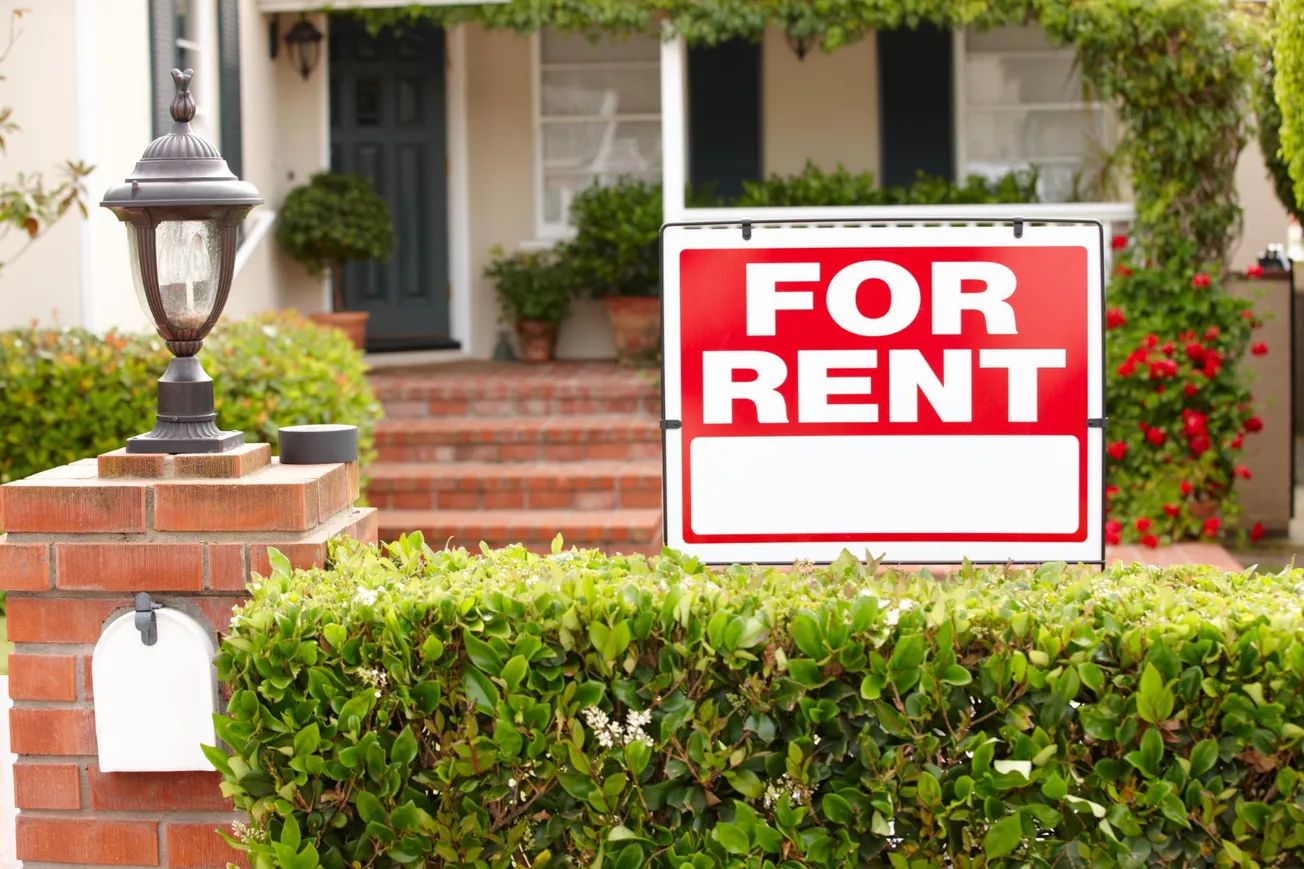
If a landlord sues a tenant for not paying their rent, the tenant must pay their missed rent up front while they defend themselves in court. House Bill 281 by Del. Katrina Callsen, D-Albemarle, would remove that requirement for tenants who withhold their rent due to a landlord’s failure to remedy critical maintenance issues or unlivable conditions that threaten the health and safety of residents.
The measure would provide relief and protection for tenants experiencing a lack of heat, water or electricity, pest infestations, or hazardous mold.
“This is so when the landlord sues them, they do not have to come up with all the money up front if they were withholding rent because the place was unlivable,” Callsen said. “It’s giving them some strength to push back when their rental isn’t meeting code, when it’s not a place that they can actually stay in.”
Existing state law broadly known as the Virginia Residential Landlord and Tenant Act sets standards for renters and landlords. Callsen’s bill to adjust it is one of several legislative proposals that empower tenants in this year’s General Assembly session.
Others include H B 15 by Del. Cia Price, D-Newport News, which would extend a grace period for late rent payments from five days to 14 days before a landlord can begin eviction proceedings. The measure passed the legislature last year but was vetoed by former Gov. Glenn Youngkin.
H B 95 by Del. Elizabeth Bennett-Parker, D-Alexandria, would require landlords to work with residents who are behind on payments and offer payment plans for up to six months before terminating rental agreements.
H B 278 by Del. Nadarius Clark, D-Suffolk, would permit local governments to adopt anti-rent gauging policies if they choose to do so. This could allow localities to set caps on how much landlords are allowed to raise rents each year.
H B 174 by Del. Michael Feggans, D-Virginia Beach, addresses lease termination time frames for military personnel when they need to move for their jobs.
H B 14, also by Price, would enhance enforcement of the Virginia Residential Landlord and Tenant Act by localities. Similarly to Callsen’s bill, Price’s focuses on renters protections when landlords fail to resolve health and safety issues.
These bills appear to already be making an impact with some property owners and renters.
In a video posted to X on Sunday, Callsen described a letter one of her constituents was sent from their management company that said the bills prompted the landlord to “proactively think about raising rents,” Callsen said.
“Should key proposals become law,” the letter reads, “we will need to adjust our current pricing structure to account for these increased operational costs, ensuring we can maintain the high level of service and compliance our clients expect.”
The letter also said additional administrative work, documentation, inspections or legal reviews stemming from the new standards would justify the hike.
The Mercury obtained a copy of the letter from Callsen, which confirms its content as described in her X video. When asked for comment on the letter on Thursday, the company declined to comment.
Sen. Jennifer Boysko, D-Fairfax, who is carrying the Senate version of the anti-rent-gouging bill said it is “disturbing to hear that folks are already having these kinds of conversations.”
However, it also makes her “feel really good about why I’m carrying the bill.”
She noted Virginia’s housing shortage, which is one contributing factor to housing affordability issues. Her bill, she emphasized, can give localities the ability to keep rents within ranges that “work for their communities.”
“We know that we are not going to be able to build our way immediately, and we know that this is a real burden and an affordability issue that all of us care about in Virginia, for the families who are facing sometimes 30% rent increases and no other place to go,” Boysko said.
While the various housing bills work their way through committees and each chamber, they will be debated repeatedly before they have a chance to get to Gov. Abigail Spanberger’s desk. Many of the proposals align with her housing affordability plans.
Callsen’s district includes Charlottesville — a locality that has spent years addressing its own housing affordability issues — so she’s no stranger to the concerns of both landlords and tenants.
Still, she said, “I am hopeful that we will have a little bit of a restoration of balance between tenants’ rights and landlords’ rights. Virginia is a very landlord-friendly state, which I can appreciate, but there are many ways that we can help tenants.”
Virginia Mercury is part of States Newsroom, a nonprofit news network supported by grants and a coalition of donors as a 501c(3) public charity. Virginia Mercury maintains editorial independence. Contact Editor Samantha Willis for questions: info@virginiamercury.com.