Bill mandating ingredient labels on menstrual products headed to Spanberger
As concerns over toxic metals and ‘forever chemicals’ flare, bill would offer consumers more clarity on products if signed into law
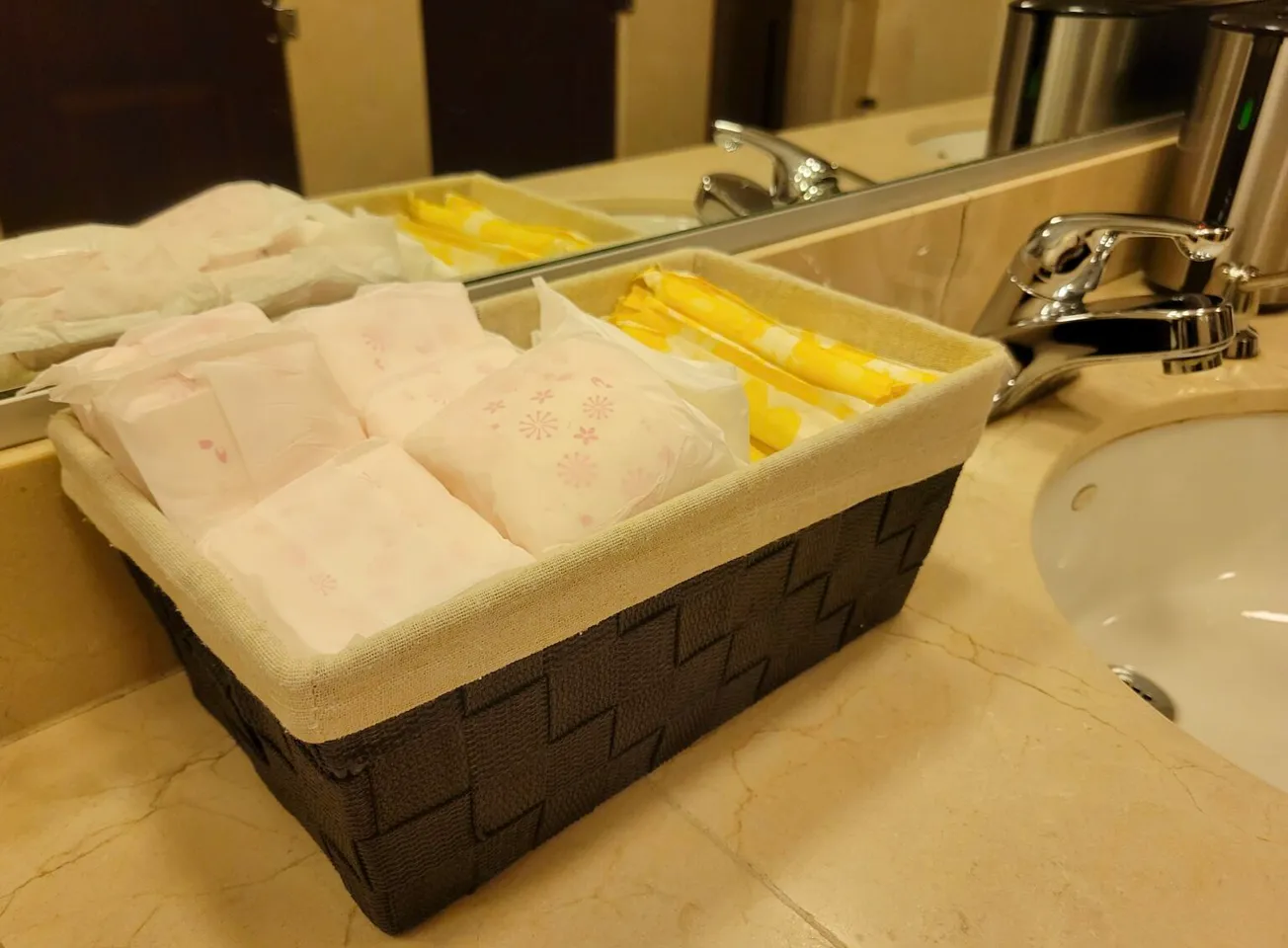
House Bill 998 by Del. Holly Seibold, D-Fairfax, would require ingredient labels be listed on all menstrual products sold in Virginia, an effort to better inform consumers about possibly toxic substances in the reproductive health items.
Having passed both the House of Delegates and cleared the Virginia Senate Monday, it now heads to Gov. Abigail Spanberger for her signature, amendment or veto.
While some companies label ingredients used to make menstrual health products like tampons or pads, many disclose little about the chemicals their products contain.
If made law, the measure would require manufacturers to include ingredients listed in descending order of predominance. Violators would be subject to the Virginia Consumer Protection Act.
After recent studies found evidence of toxic metals in some menstrual care items, a handful of states have tackled the issue by pursuing label requirement laws.
A 2024 study found toxic metals in several types of tampons. While nonorganic tampons had higher levels of lead, organic tampons sampled had higher levels of arsenic.
Name-brand and store-brand products had differing amounts of a variety of metals, but no tampon had consistently lower levels of metals, the study found.
Dr. Bethany Samuelson Bannow, a hematologist at Cleveland Clinic and one of few people to study menstrual products nationwide, said that historically, the overlap of medicine and menstrual products has “not been significant,” meaning there’s less federal oversight of exactly what’s inside products like pads and tampons.
“In terms of what things are in these products, I would say it’s not regulated, but neither are a lot of over the counter supplements,” she said. “There’s a gap in knowledge there.”
If signed, Seibold’s bill would join other states that have pursued the matter like New York, California and Nevada. New Jersey lawmakers worked on a similar bill for years that was finally signed by the governor last year.
Seibold said inspiration for her bill stemmed from growing concern about toxic substances. She added that she’s not surprised there haven’t been many studies centered on possibly toxic elements in menstrual products.
“It’s specifically products for women, so it’s like ‘clearly we don’t need to know what’s in it,’ even though a tampon can sit in your body for eight hours a day and a menstrual cup can sit for 12,” she said. “It’s like because men don’t use it, these things haven’t really been thought about versus everything else like food and medicine. Even just with Motrin, the orange dye has to be listed.”
People who have periods have “no choice” but to use menstrual health products to manage their bleeding, she said, so ensuring product safety is essential.
Another concern for Siebold is the presence of PFAS, which stands for per-and-polyfluoroalkyl substances, in menstrual items. They are popularly dubbed “forever chemicals.”
The synthetic chemicals born from manufacturing are often found in products like non-stick cookware, food packaging, and certain fabrics, and have been found to linger in the environment and human body, posing health risks including cancers or fertility issues.
In 2023, Thinx, a manufacturer of high-absorptive period underwear, settled a class action lawsuit after third party testing by plaintiffs claimed there was presence of PFAS in the product.
Aside from synthetic chemicals used in some menstrual products, Bannow noted that cotton — present in both organic and synthetic products — is a key ingredient. The dirt the cotton is grown in could be laced with metals or PFAS, posing health risks.
She doesn’t deter her patients from using the products they need, however. Bannow’s research has shown how products like “discs, tampons, pads, period underwear and cups” can help diagnose heavy menstrual bleeding, Scientific American reported.
“It’s an interesting time where we have some data, but we’re also missing a lot of pieces of the puzzle,” she said.
Virginia lawmakers have also been advancing bills to crack down on PFAS in other areas, like monitoring PFAS in biosolids, waste material that is repurposed as fertilizer in crops.
Senate Bill 386 by Sen. Richard Stuart, R-King George, would require wastewater treatment facilities to sample for presence of PFAS and then restrict how the material can be used if the concentration is high.
Seibold said she’d like to eventually find a way to help ban toxic materials from menstrual device production. Future legislative sessions could see her take a sharper aim at the menstrual product manufacturing industry.
“Right now I’m just starting with ‘at least people should have the knowledge of what they’re putting into their body and on their body,’” she said.
Virginia Mercury is part of States Newsroom, a nonprofit news network supported by grants and a coalition of donors as a 501c(3) public charity. Virginia Mercury maintains editorial independence. Contact Editor Samantha Willis for questions: info@virginiamercury.com.