Skip to content
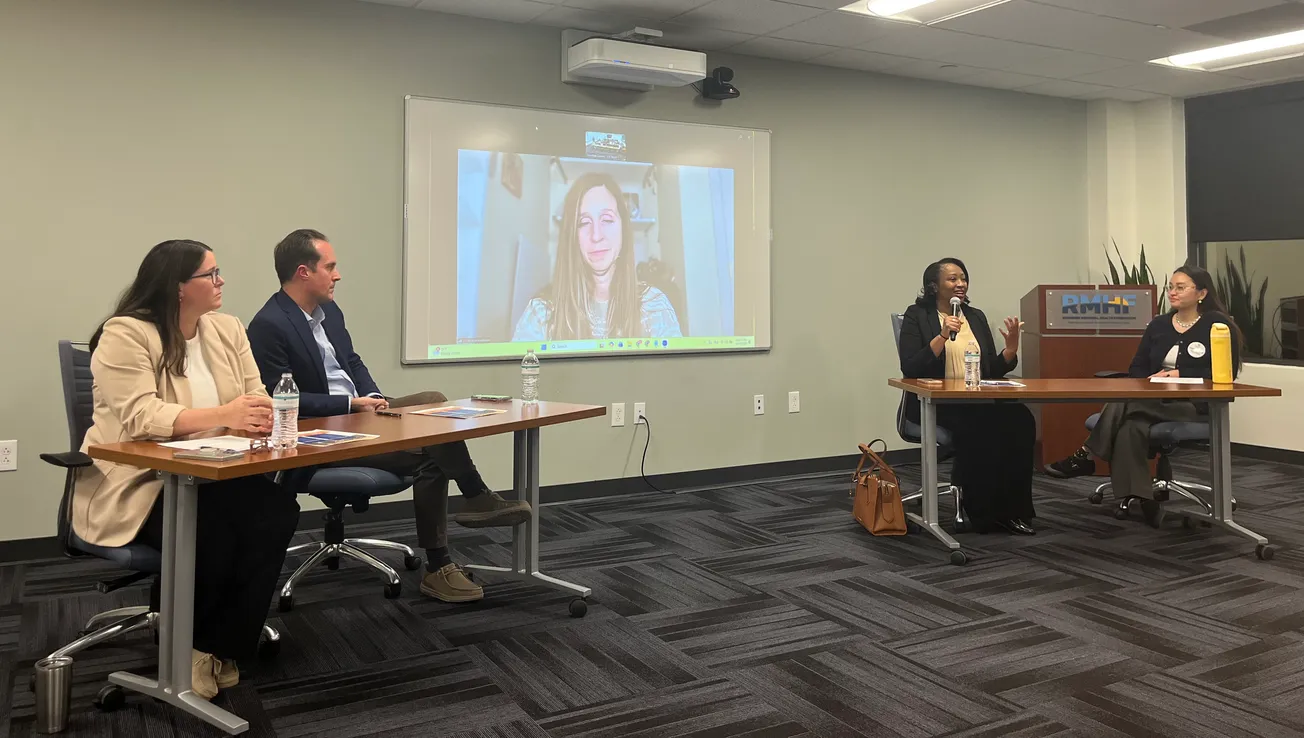
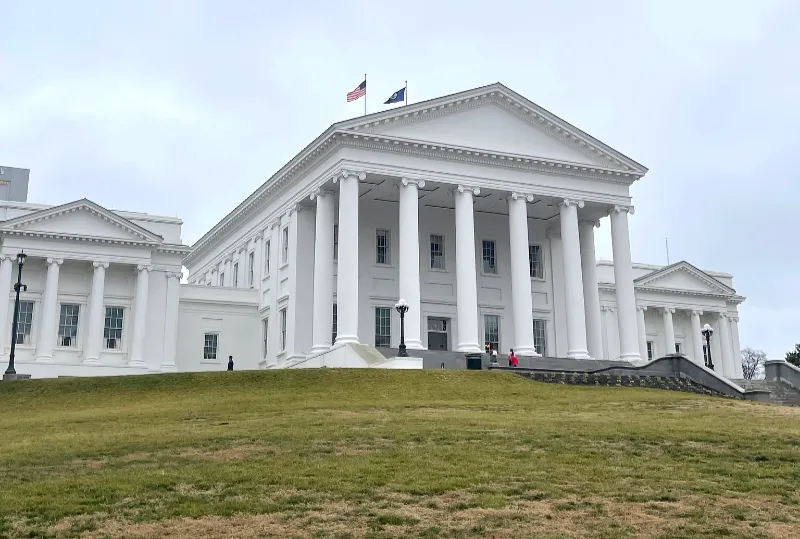
(Liana Hardy/Henrico Citizen)

Table of Contents

Both Virginia and Henrico County are facing a major housing shortage, and increasing the housing supply is the “ultimate answer,” according to Henrico state senator Schuyler VanValkenburg (D-16th District).

At a Dec. 17 town hall held in Henrico by the Hamkae Center – an Asian-American advocacy group based in Virginia – VanValkenburg and several other Central Virginia representatives discussed issues that are top-of-mind for the upcoming General Assembly session: housing, education, and immigration.

Henrico has the fifth-largest Asian-American population in the state – more than 31,000 people that compose nearly 10% of the county. And like many other Central Virginians, Asian-American residents are growing increasingly concerned about the affordability of housing in the area, said Hamkae Center Executive Director Sookyung Oh.

“The Asian-American population in this region, in all of Central Virginia, is the second-fastest growing racial group,” she said. “It is a community that is yearning to find a political home so that there is a place for them to take action.”

In Western Henrico, which sports several Asian-American hubs such as Short Pump and Innsbrook, the average home price has soared to more than $400,000 – well above what is realistic for many middle-class individuals, said VanValkenburg. As a longtime teacher at Glen Allen High School, VanValkenburg said he sees the struggles his younger coworkers face to secure housing in the region.

“Every teacher younger than me can’t afford to buy a house in Western Henrico,” he said. “It is unaffordable for a solid, middle class job with a lot of stability. These folks – cops, firefighters, teachers – can’t buy homes in Western Henrico anymore, let alone anybody who makes less than them.”

While Henrico has worked to increase its housing supply, county residents still struggle to obtain affordable housing without a statewide pro-housing policy in place, VanValkenburg said. More housing would also reduce the gentrification that has occurred in many low-income and middle-class neighborhoods in the area, he said.

“Henrico County has been great at building housing, but if nobody else is doing it, the cost of dirt in Henrico County still skyrockets,” VanValkenburg said. “Supply is the ultimate answer here – that means zoning changes, it means permitting changes, it means building housing and putting government dollars into that.”

Town hall attendees also brought up concerns about English-learner resources in local schools. In recent years, the English-learner population in Henrico schools has risen to almost 15%, and some schools in the region are struggling to recruit enough ESL staff, said Henrico resident Quran Tiet Schneider, who was an ESL student herself when she attended Charles M. Johnson Elementary.

“I was a student of ESL for multiple years before I actually learned the language and became more proficient, so education is really big in my book,” she said. “ESL teachers have been stretched thin, and there aren’t enough.”

Virginia has a requirement that school divisions recruit one teacher for every 50 English Learner students, but many divisions are unable to meet that threshold, said state delegate Jessica Anderson (D-71st District), with some ESL teachers having caseloads of more than 100 students. State legislators must work to incentivize recruitment by raising ESL teacher salaries and eliminating unnecessary red tape when it comes to the certification process, she said.

“I’m a big fan of trying to eliminate some of the barriers for individuals that want to enter that field and take on those roles, because it is a much-needed field,” Anderson said. “The need is pretty high for these students and we’ve seen a slight improvement. But with what we’ve seen in literacy and math, we’re still not getting them to where they need to be and where they deserve to be.”

Virginia also needs to significantly increase funding for English-learner students, said VanValkenburg.

“We’re one of the most diverse states in the country and we spend almost nothing on English language learners,” he said. “We desperately need to get resources into that area because that’s going to become more of an issue. We're getting more diverse, so it needs to be addressed.”


Liana Hardy is the Citizen’s government and education reporter. Support her work and articles like this one by making a contribution to the Citizen.

Comments