As regional transportation body allocates millions, multimodal advocates clamor for more bike, pedestrian infrastructure
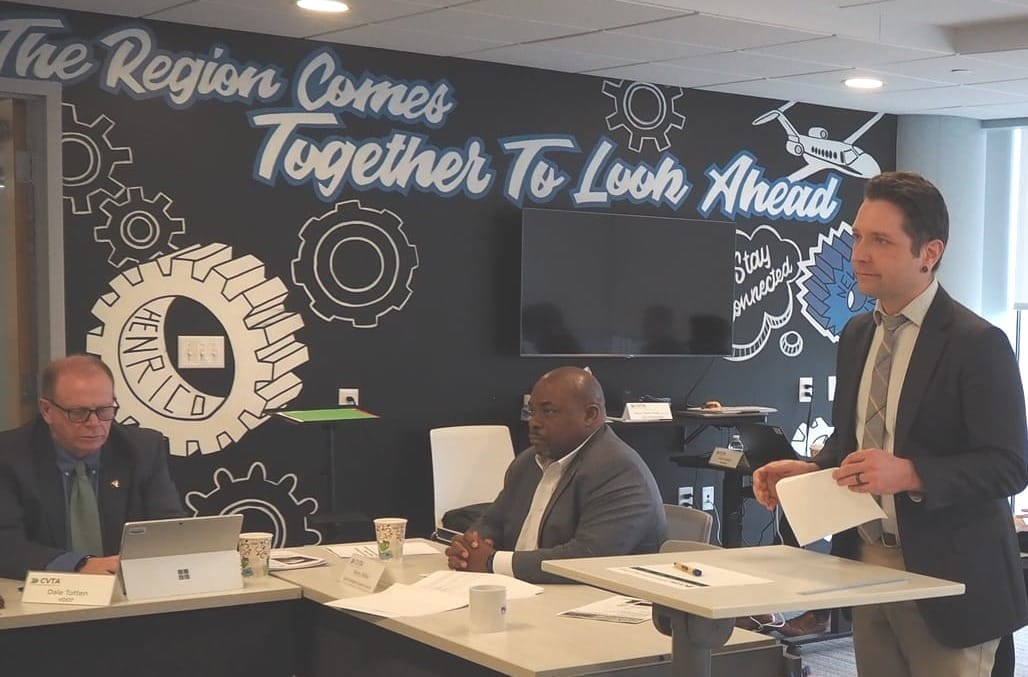
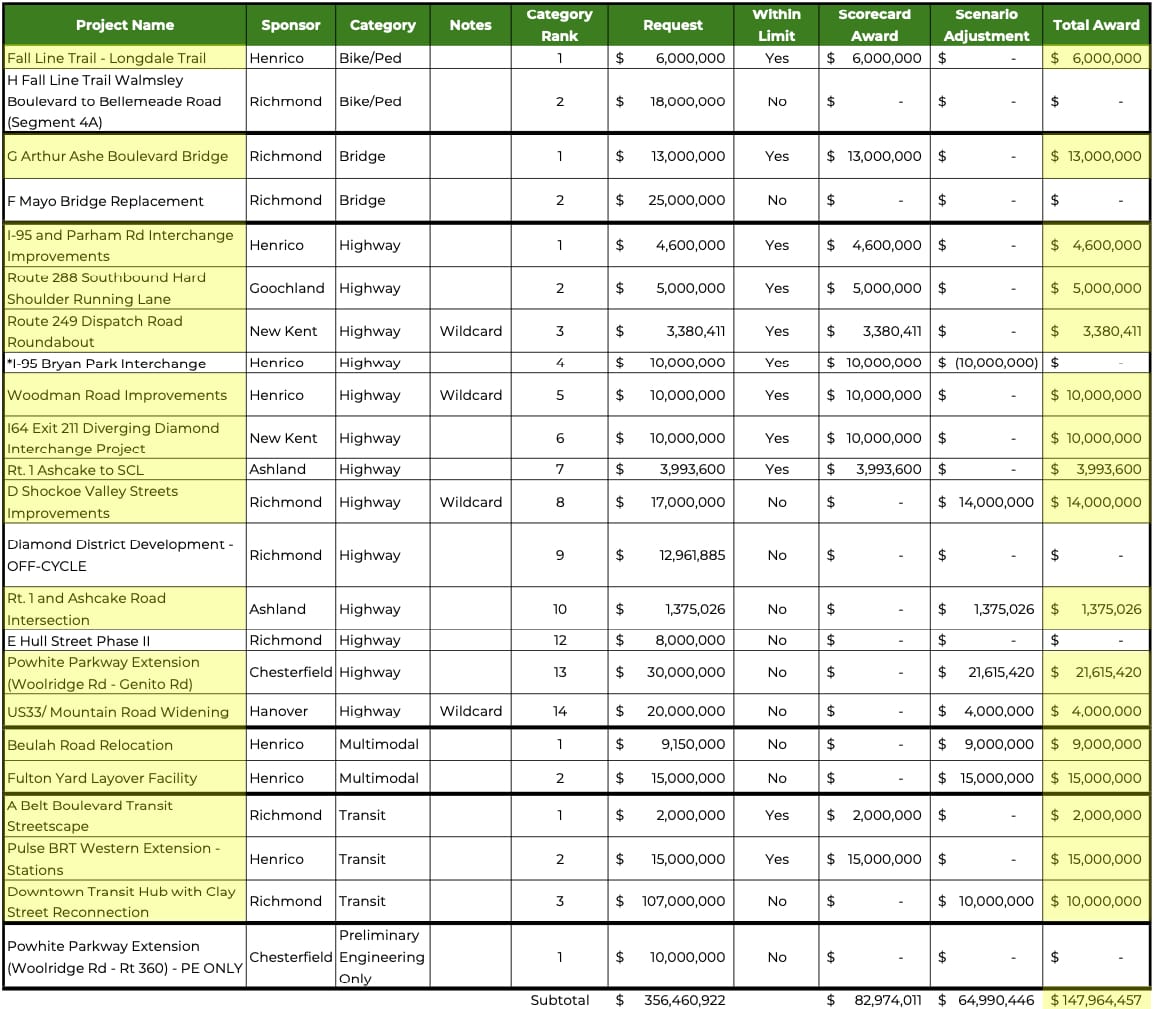
Members of the Central Virginia Transportation Authority met Feb. 27 to award nearly $148 million in regional funding to a slate of projects that will impact movement through and around Henrico County and the region.
It was the fourth round of funding approved in the CVTA’s history for regional allocations that meet a set of funding criteria.
The CVTA board awarded a total of $59.6 million to help fund six projects in Henrico County:
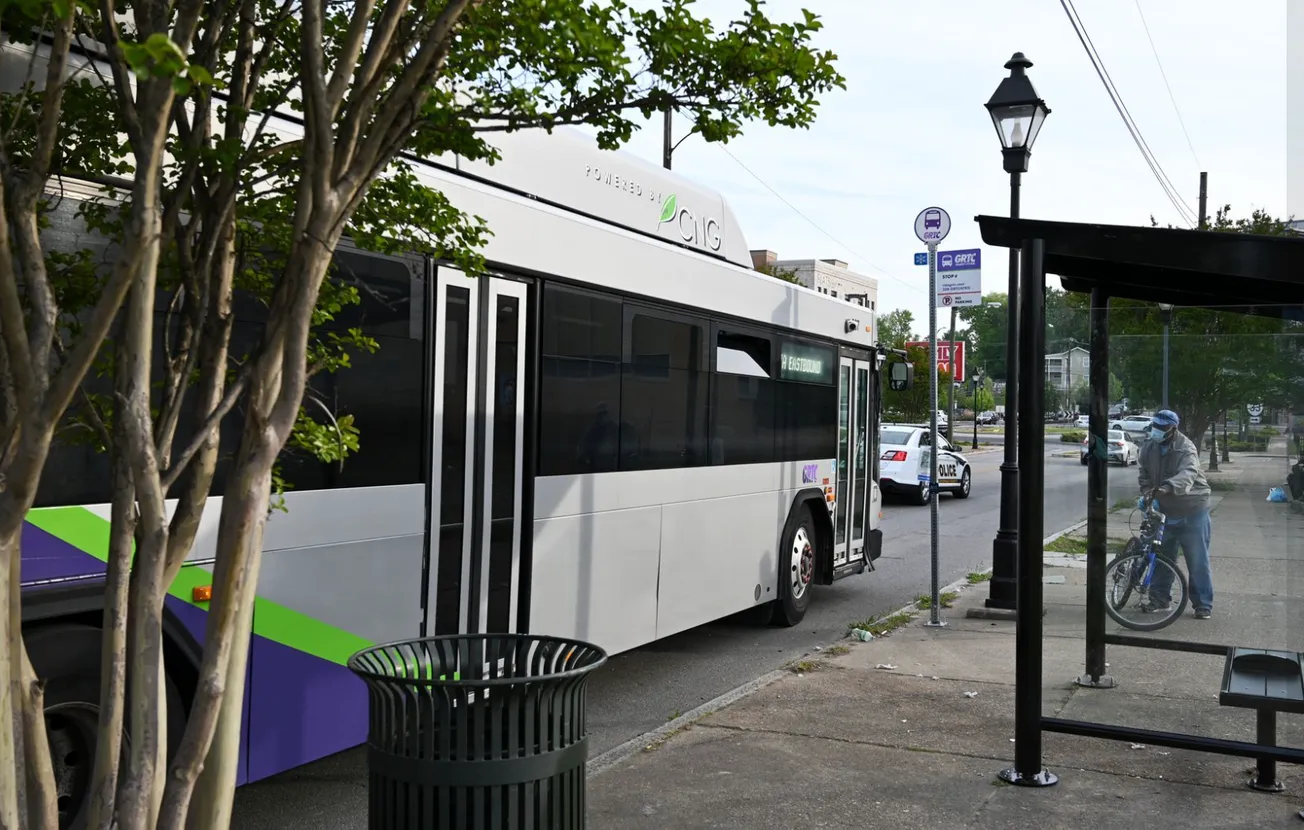
• $15 million for bus "stations" as part of GRTC's Pulse Bus Rapid Transit line's westward expansion deeper into Henrico;
• $15 million for a train layover facility that will be built at Fulton Yard near the Richmond/Henrico line near Rocketts Landing;
• $10 million for a Woodman Road improvement project;
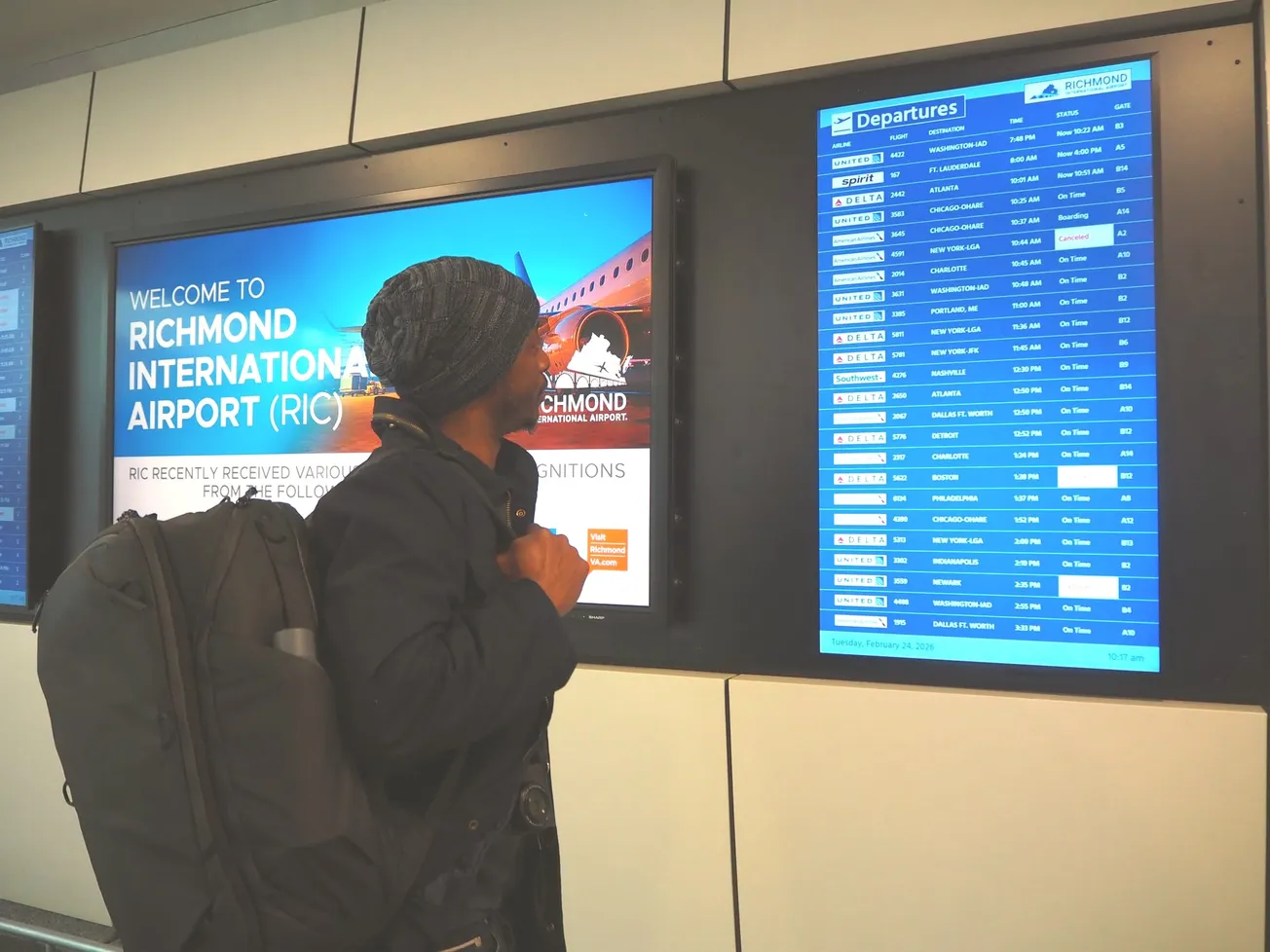
• $9 million for the relocation of Beulah Road in Sandston, near Richmond International Airport;
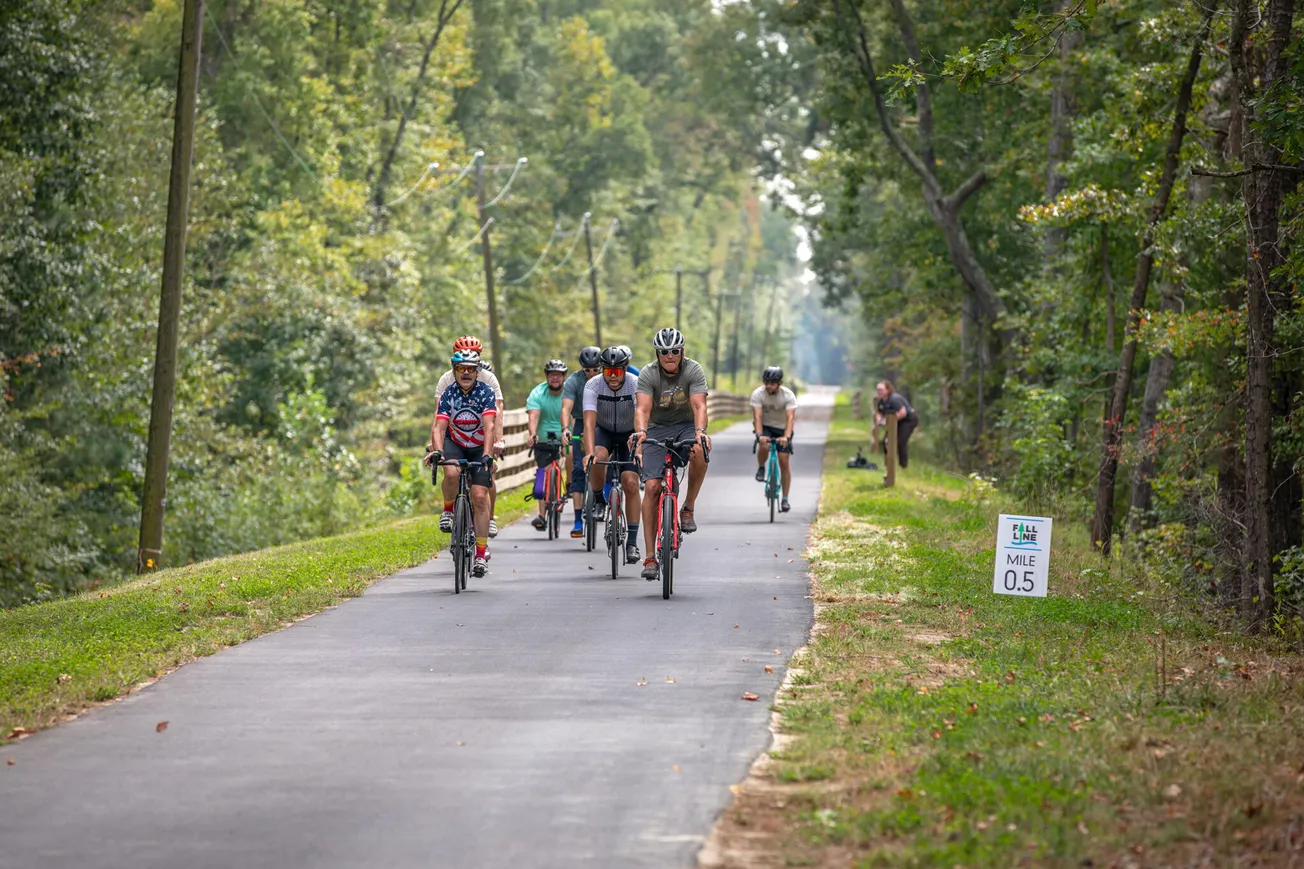
• $6 million for construction of the Fall Line Trail's Longdale section;
• $4.6 million for improvements to the I-95-Parham Road interchange.
Five of the Henrico projects have multimodal aspects:
• the Fall Line Longdale section will add 3.2 miles of a 12- foot-wide asphalt multi-use trail from the intersection of Parham Road and Cleveland Street to the new Woodman Road Extension. This work will be a part of The Fall Line Trail, a 43-mile north-south paved trail that will connect Ashland to Petersburg. Additional design features for the Longdale Phase may include pedestrian accommodations at the intersections of Cleveland Street with Hungary Road and Parham Road, major trailheads with parking at the corner of Cleveland Street and Athens Road and the Longdale Recreation Center, as well as multiple minor trailheads and community connector trails throughout the trail alignment.
• I-95 and Parham Road Interchange will reconfigure the I-95 at Parham Road full cloverleaf interchange to a diverging diamond interchange to create a safer and more efficient interchange. These improvements are intended to accommodate the additional future traffic that will be generated from developments and overall growth in the area, which will potentially cause the existing interchange to be overcapacity causing even more safety issues. The project also will include a separate pedestrian bridge for a shared use path across I-95 providing pedestrian and bicycle connectivity between the east and west sides of I-95. It may consider possible geometric deficiencies and bridge height improvements.
• The Woodman Road project consists of 1.75 miles of improvements to the road, which will consist of a four-lane typical section between Hungary Road and Mountain Road. There will be turn lane improvements (new southbound right-turn lane and left-turn lane extensions at Mountain Road/Woodman Road intersection). The improvements will include a shared use path and sidewalk along the corridor and will minimize property impacts to the maximum extent possible. Pedestrian crossings with push buttons and countdown timers will be provided at each signalized intersection.
• the Beulah Road relocation project will allow the airport to expand its footprint;
• the Fulton Yard rail facility funding will allow Amtrak trains to overnight in that nearby Eastern Henrico location, thus diminishing delays.
Bike, pedestrian projects score well
Prior to the CVTA board's vote, members heard from people representing both advocacy organizations and themselves – verbally and in writing – about which projects they thought should receive funding.
Henrico residents wrote in support of the western expansion of the Pulse Rapid Bus Transit and multi-modal transportation projects. Many writers questioned and criticized highway expansion projects.
“I encourage you to support funding for the Fall Line projects in Henrico and Richmond; these are the investments in sustainable and equitable transportation that will serve the region well, not just in the realm of transportation,” Henrico resident Andrew Clarke wrote. “They also deliver on the vision and goals of the regional transportation plan.”
Sports Backers' Bike Walk RVA Director Brantley Tindall said his organization was encouraged to see most of the project applications and those that were scored for funding featuring bike and pedestrian components.
“I think it may be the first time in the past five years,” Tindall said. “It's very exciting to see.”
Although funding was granted for the Longdale portion of the trail in Henrico, an $18-million funding request involving the section planned between Walmsley Boulevard and Bellemeade Road in Richmond ultimately did not make the cut.
Several other speakers more directly said that more funding should be allocated to transit and multimodal projects instead of to highway expansion projects.
SUBHEAD
The CVTA was established six years ago, using revenue generated through regional sales and gas taxes to fund for transportation improvements.
The body collects money monthly through a 0.7% regional sales tax, a 7.6-cent per-gallon tax on standard gasoline and a 7.7-cent per-gallon tax on diesel fuel from its nine members localities. Then it divides those funds into three buckets:
• 15% for GRTC;
• 50% in local funding for the individual member localities;
• 35% for regional projects.
The former two amounts are allocated each month, but the latter is allocated only every other year. With last week's regional allocation, the CVTA now has provided $253.1 million in regional funding for Henrico since its inception and $179.2 million in local funding.
Localities use their local funding allotments to improve mobility through construction, maintenance or expansion of roads, sidewalks, trails, mobility services or transit.
The regional funding round is an extensive process that takes a full year of presenting and reviewing proposals as well as negotiating.
Henrico County let go of $10 million in proposed funding for improvements to the I-95/Bryan Park interchange to make way for funding for other regional, multimodal projects.
“All the localities that have projects up, clearly they want to see them get funded,” said Varina District Supervisor Tyrone Nelson, who serves as chair of the CVTA board. “We had to get to an agreeable point. So, there's a lot of different back-and-forth. We had four options at first. Then Henrico came with a fifth option. And then multiple localities modified those options in the technical committee. The negotiation was around unallocated projects because we had a certain dollar amount.”
The CVTA funds are allocated every other year to alternate and be used as leverage for potential SMART SCALE funding allocated from the Virginia Department of Transportation.
CVTA director Chet Parsons acknowledged the public comments expressing a desire to support more bicycle and pedestrian projects.
“If there is a person who wants an additional bike ped[estrian] project, they need to be working at the locality level so that CVTA gets an application for that project,” Parsons said.
In March, the CVTA board will take action to approve the allocations plan for the funded projects by fiscal year, analyzing when each project is scheduled to start and assigning its funding timeline.
Dina Weinstein is the Citizen’s community vitality reporter and a Report for America corps member, covering housing, health and transportation. Support her work and articles like this one by making a contribution to the Citizen.