Achoo! High springtime pollen counts giving rise to allergies
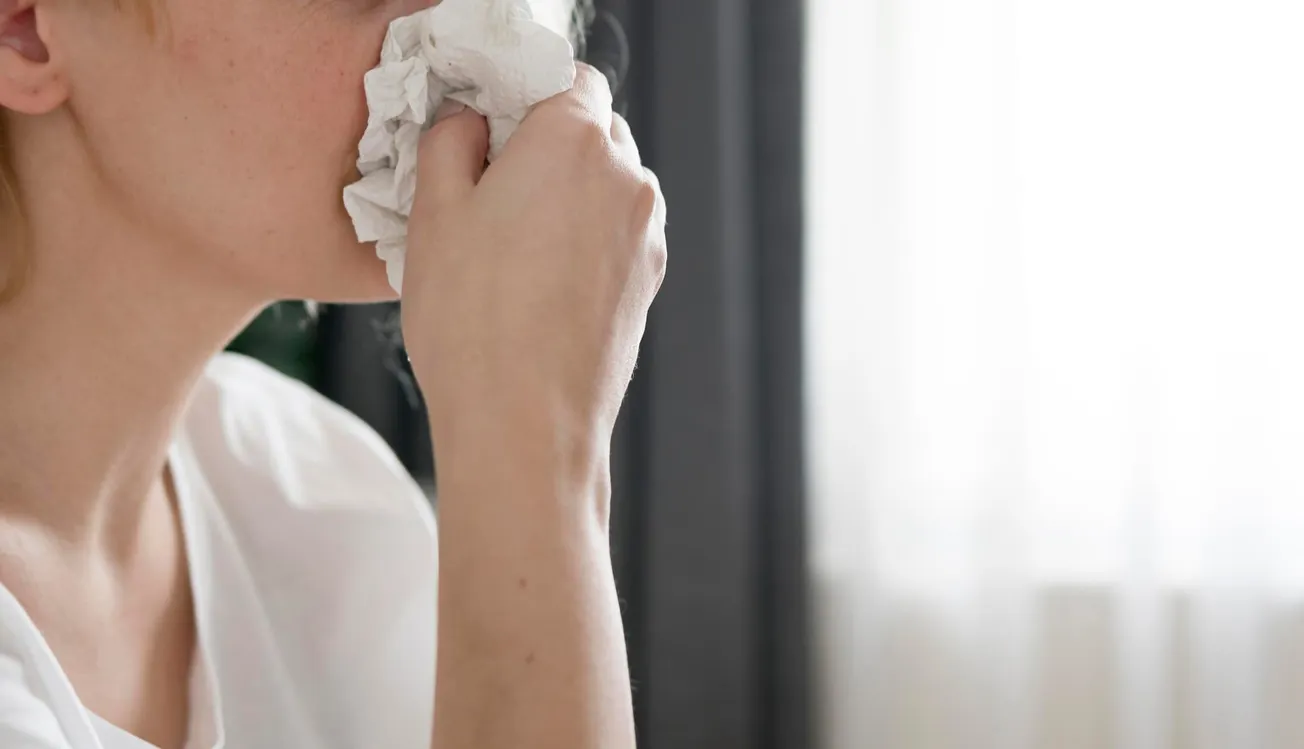
If you are sneezing, coughing and tired these days, you’re not alone.
The pollen count in Henrico County is climbing again this week.
Mark T. Hark, a physician at Richmond Allergy & Asthma Specialists in Henrico's West End, said the pollen allergy season started a little bit later than usual “but it certainly has hit with a vengeance.”
“This has been a terrible season this year so far, and it's probably only going to get worse before it gets better,” said Hark, who added that a lot more patients are calling to be seen. “This year has been particularly bad.”
Many residents are feeling the effects of the air-bound plant materials, dusting cars yellowish-green and causing runny and stuffed noses along with itchy, watery eyes.
Pollen causes sneezing when the immune system mistakenly identifies the harmless particles as a threat or allergen. When inhaled, this triggers the release of histamine, a chemical that causes inflammation, itching, and sneezing to expel the pollen from the nasal passages.
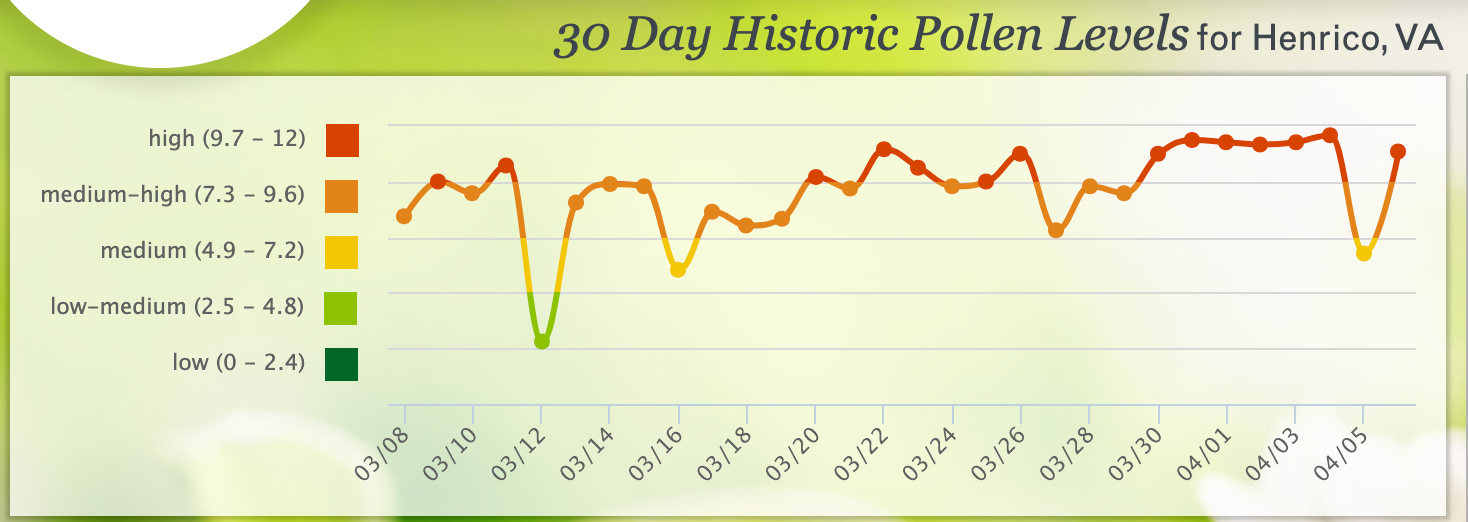
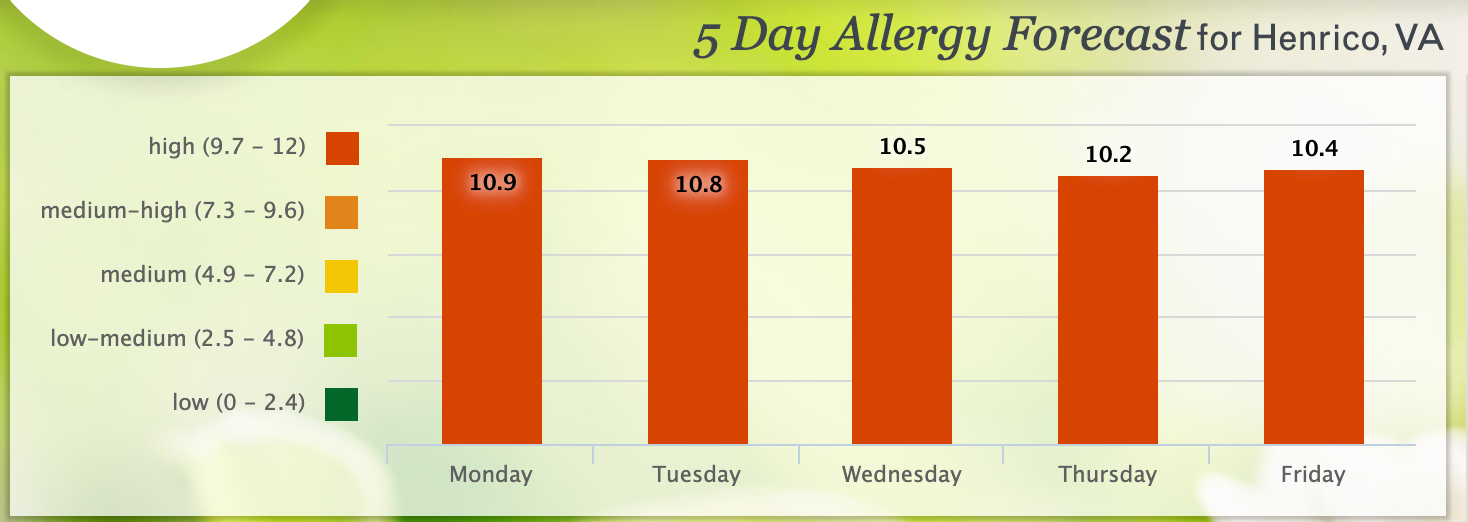
Recent and expected pollen data for Henrico County from Pollen.com
“You'll get mucus going down the back of your throat or post-nasal drip. Sometimes you have some other symptoms too that may not always be blamed on allergies. You can get fatigue, just sort of malaise, feeling bad and headaches,” Hark said.
Those who regularly experience seasonal allergies may identify the issue right away; others may wonder if what they are experiencing is a respiratory illness.
Though Henrico is just above threshold in wastewater COVID-19 detection, overall respiratory illness activity in Virginia is low and trending down, but spring seasonal allergy sufferers may feel symptoms like respiratory illnesses.
“I have seen some folks with allergies have a sore throat, but a really bad sore throat in somebody who normally doesn't get it, that's also a clue that there could be something else going on besides allergies,” said Hark. “Having joint pain or aching all over, that's not typically a sign of allergies. Allergies usually don't cause fever. That is a big distinguishing factor.”
With some COVID going around, Hark tells patients with bad sore throats who are in pain that it's worth testing, during the course of a few days, to see if their symptoms mean they have COVID.
Speaking for the trees
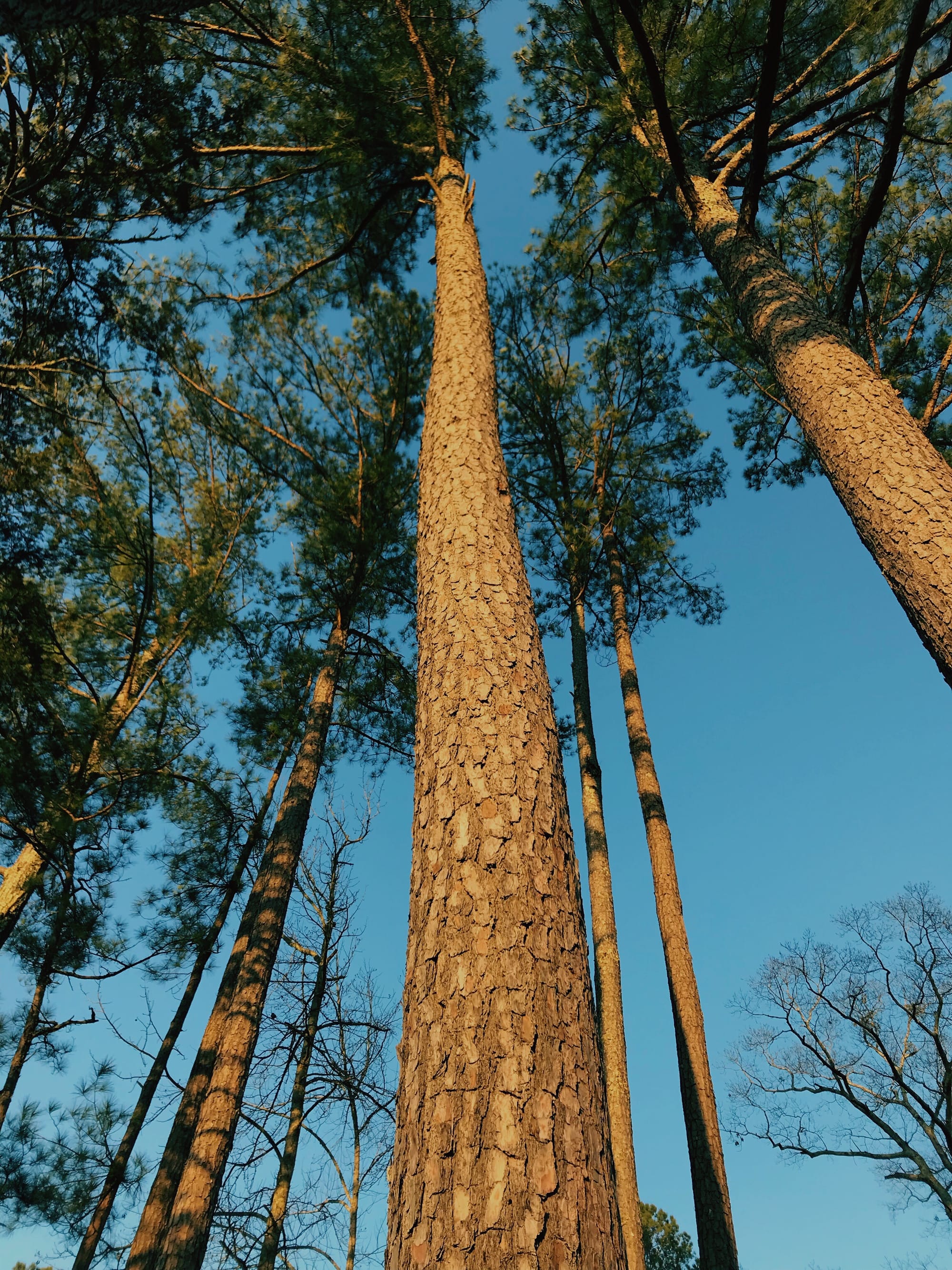
The actual culprits for the wheezing, sneezing and coughing at this time of year are the different area oak and pine tree species. The Richmond Allergy & Asthma Specialists website pollen count attributes the current predominant pollen in Henrico as originating from the maple, juniper and birch trees.
“When you look at some of the other flowering trees, some of them do contribute to pollen being in the air but it's not as much as the pine trees, like a loblolly pine. I have a ton at my house right now which are completely dusting my back patio. My cats are leaving paw prints all over the place,” said Danny Cox, vice president of horticulture at Lewis Ginter Botanical Garden. “Loblolly pines are dumping loads and loads of pollen.”
Pollen is critical to the plant world and to many other aspects of nature that we take for granted.
“Pollen is an important part of the plant reproductive cycle, and depending on the time of the year, the pollen that we are afflicted with, when our eyes are watery, our noses are stuffy and our throats are scratchy could be coming from different plants during different parts of their life cycle,” said Cox.
Pollen essentially is the sperm of plants that is needed to fertilize the egg of plants for reproduction. A Virginia 4-H flower dissecting activity sheet explains: “Flowers have male and female parts to make seeds. The male parts, called stamens, surround the female part, called the pistil, and produce a powdery material called pollen. The pollen must reach the pistil for seeds to develop.”
Each plant pollen, viewed under a microscope, is as different as a unique snowflake.
“That helps ensure that the pine from a pollen tree doesn't accidentally pollinate a tree species that it's not compatible with,” Cox said.
A lot of people like to celebrate and are interested in pollinators – bees, birds, butterflies, and even bats. This time of year, wind pollination tends to dominate, according to experts.
“The more pollen the trees make, the higher chance it has that the wind's going to blow it to a tree with a flower or a cone that then can get fertilized by that pollen,” Cox said. “As much pollen as the tree can produce, the more likely that that pollen is going to make it to a female cone of the pine tree and successfully pollinate it.”
While Cox acknowledged the pollen-caused human suffering, he’s grateful for the plant benefits from oxygen to wooden furniture produced by the pollen-producing perps.
Treating seasonal allergies
Hark recommends several approaches to stem the impact of pollen on the body.
“My general philosophy is the less medicine the better,” said Hark.
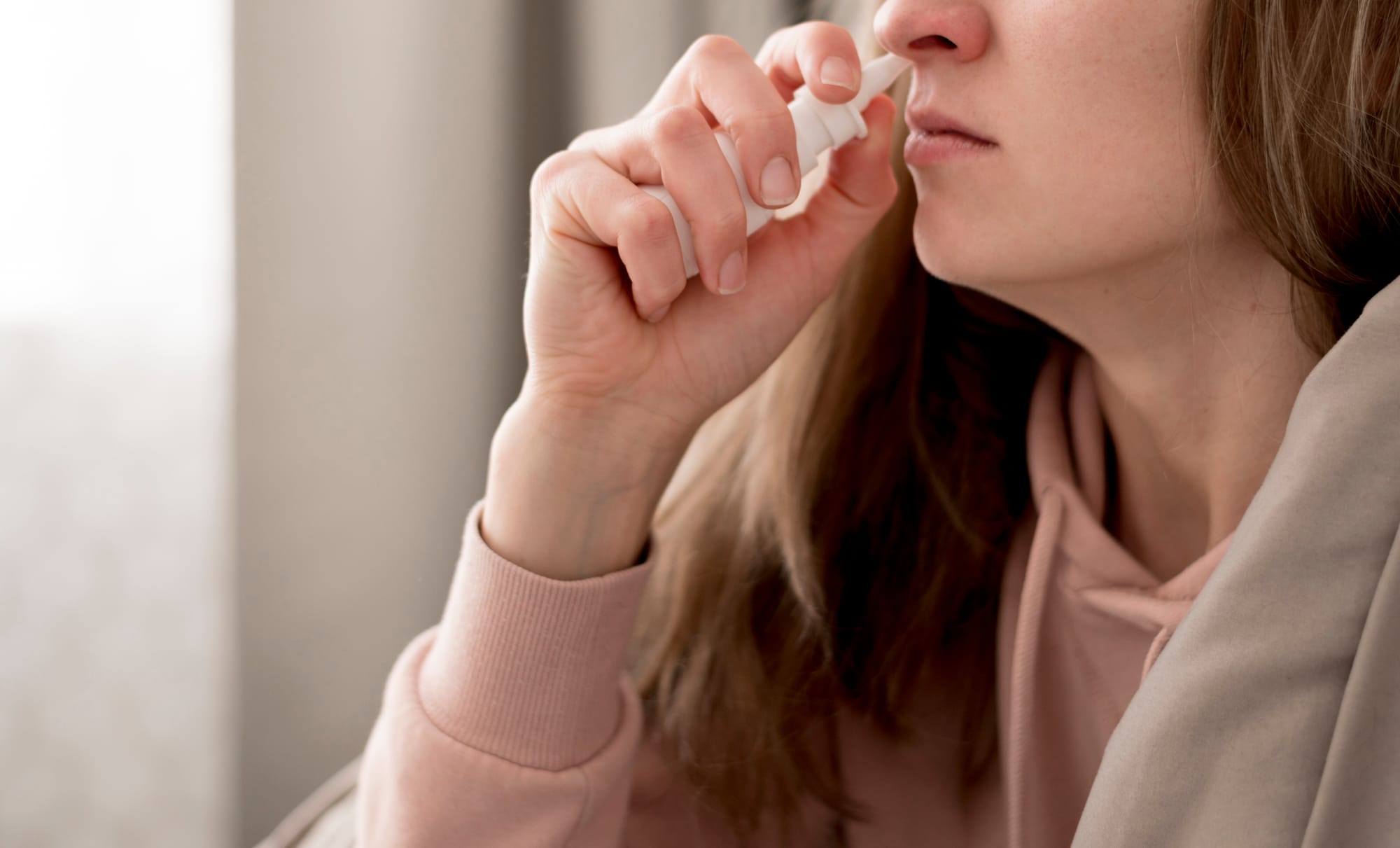
For over-the-counter help, he recommends using Flonase spray early on and Allegra over Claritin. Zyrtec works for other people. He does not recommend Benadryl because it causes drowsiness.
Other measures people can take is keep windows shut and avoid the outdoors if they can.
“It's so nice outside and you want to just open the windows up, but all that does is just let the pollen in,” Hark said. “Don't hang laundry out to dry. All the pollen will stick to it. If you've been outside a lot, take a bath or shower before you go to bed. At least rinse your hair off. If you're doing any sort of gardening or spring cleaning, wear a mask when you're stirring up all that pollen and dust.”
He recommends visiting with an allergist if those simple acts do not help alleviate the symptoms caused by the current pollen floating around, as there may be other things in the environment that can cause people to be allergic that can be identified by allergy testing.
“The person may have problems with pollen, but there may be other things like mold, dogs, cats or dust mites that also contribute to one's symptoms. And, if you find out what you're allergic to, you can reduce exposure,” Hark said.
Allergy shots or sublingual drops under the tongue are some ways to control the symptoms.
“Overall, it's going to be bad through mid-April,” Hark said. “What we really need to decrease the pollen levels are some days of extended rain day-after-day, but I don't see that anytime in the future. If a thunderstorm will blow through, the wind will stir up the pollen even more so.”
Dina Weinstein is the Citizen’s community vitality reporter and a Report for America corps member, covering housing, health and transportation. Support her work and articles like this one by making a contribution to the Citizen.