Skip to content
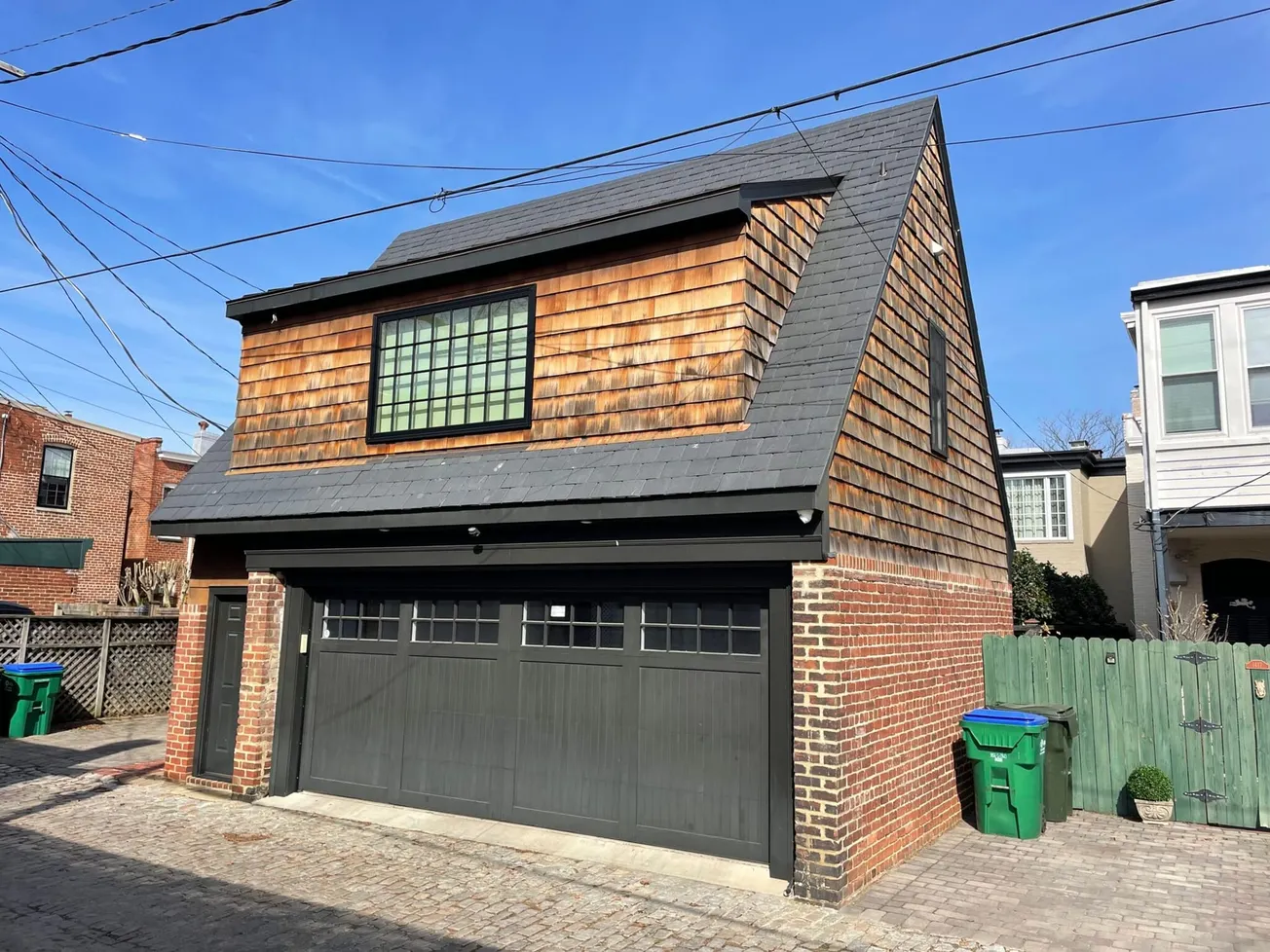
An ADU with alley access in Richmond’s Fan neighborhood. (Photo by Wyatt Gordon)

Accessory dwelling units — which could be a tiny house on another home’s lot, a garage-turned-apartment, a carriage house, or an ‘in-law suite’ — will be easier to build beginning next year, following Gov. Abigail Spanberger’s signature of a new law this week. 

Amid a shortage of housing supply and noted affordability issues, ADUs have emerged as a way to boost affordable housing options in some areas or a way to meet the specific needs of some families. But not all Virginia localities allow them.

After several previous bipartisan attempts to pass the bill failed, Senate Bill 531 by Sen. Kannan Srinivasan, D-Loudoun, and Sen. Saddam Salim, D- Fairfax, that made it across the finish line this year. Srinivasan and Salim have carried the bill multiple times. 

“I’m glad we’re finally moving forward with practical housing options,” Salim said after Spanberger signed his measure on Wednesday.

When it takes effect July 1, 2027, ADUs will be able to be built on people’s property by-right if they choose. Localities would then be required to permit ADUs in districts zoned for single-family homes and cap permit fees at $500. 

Previously, Virginians seeking ADUs have been at the mercy of their local government to greenlight projects. Permit denials or high fees for them had also been prohibitive. 

The new law will also block localities from requiring large setbacks that typically apply to bigger homes and eliminates rules that required a family relation between the people living in the ADU and the primary occupants on a housing lot. This change could make it possible for some homeowners to rent an ADU to non-relatives.  

Slow or highly restrictive local zoning or permitting decisions have contributed to a shortage in housing supply and add to tension that often exists between local and state governments when it comes to local land use decisions.

With the new law set to take effect, bringing ADUs into housing supply will be a little easier for those who want to make it happen.

Laura Dobbs, director of policy at Housing Opportunities Made Equal of Virginia, said that her organization is grateful to Spanberger for signing a “shovel-ready tool.”

HOME, which assists people with housing affordability issues and takes on housing discrimination cases, also has a policy arm that advocates for housing access and affordability laws. 

National law firm organization Pacific Legal Foundation had been monitoring and supportive of Virginia’s ADU bill, too. The foundation takes cases challenging government overreach.

Policy counsel Jamie Cavanaugh called the new ADU law “the freedom to use your own property” in a press release. 

“Virginia has shown that states can cut through restrictive zoning,” she said. “And we hope other legislatures take note.”

suite of housing bills this year have explored a range of state-level guidance or mandates to help alleviate supply shortages where possible. The governor had already signed several of them prior to approving the ADU bill on Monday night.


Virginia Mercury is part of States Newsroom, a nonprofit news network supported by grants and a coalition of donors as a 501c(3) public charity. Virginia Mercury maintains editorial independence. Contact Editor Samantha Willis for questions: info@virginiamercury.com.

Comments